Plans for the abolition of the remaining “county councils” and their replacement by unitary councils have been put on hold by the Ministry for Communities, Housing and Local Government, which has announced it will “undertake a rapid review of the current local government reorganisation programme”. The review is to ensure the process is robust following “updated and privileged legal advice” and that it aligns with the new Government’s “Re-wiring the State” devolution agenda. This issue matters to the Association of British Counties (ABC) because we want to see a system of local government terminology and council names which totally separates the identity of local government from that of the historic counties.
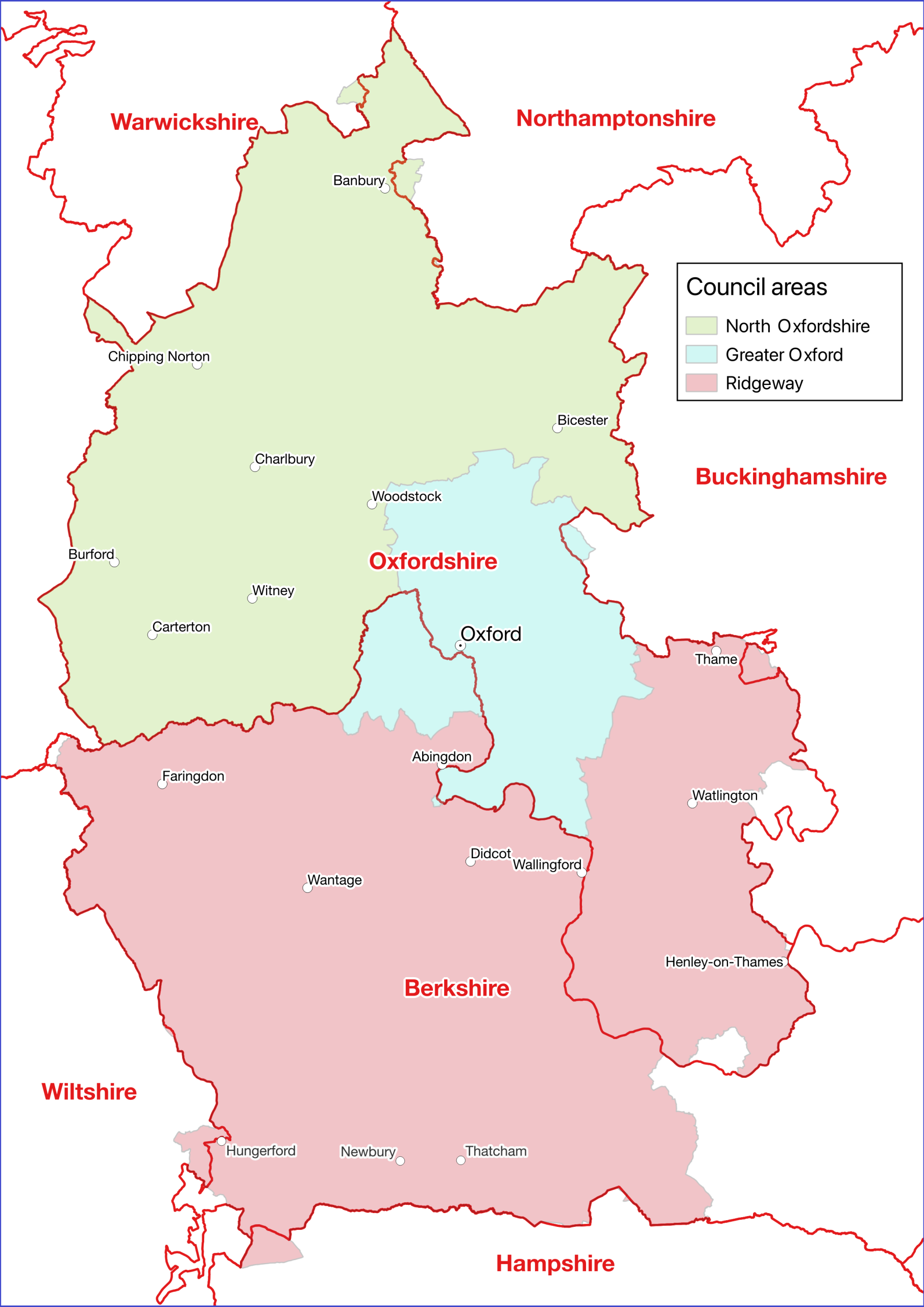
As we have reported, the Government had been pursuing a policy of replacing all of the remaining two-tier (county council and district council) areas in England with a system of unitary councils. The end of the phrase “county council” and the abolition of several such councils which wholly misuse historic county names (e.g. Lancashire County Council, Oxfordshire County Council, Cambridgeshire County Council, Warwickshire County Council, Essex County Council etc.) would have been a huge help to ABC’s work promoting the importance of the historic counties to our country’s heritage and culture. The previously announced changes may now be amended, delayed or even not happen at all.
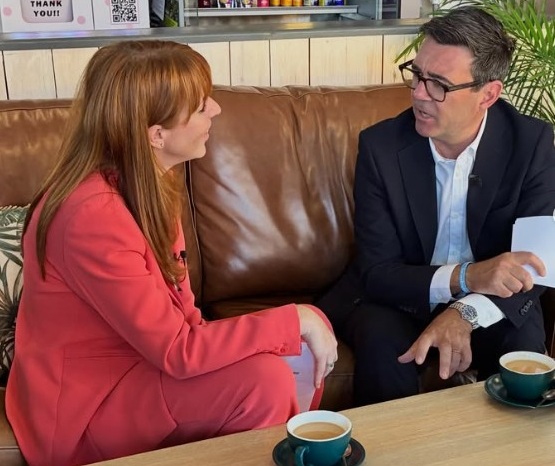
Announcing the decision to Parliament, Angela Raynor, Secretary of State for Communities, Housing and Local Government said: “The Prime Minister told the House last week, he was ‘prepared to look at local government reorganisation’ and he asked me as his Communities Secretary to ‘do that’. In that context, in light of legal advice, I want to satisfy myself firstly that the right process is in place, that it is robust, and of course complies with the law. And secondly, I want to fully test whether our proposals for local government reorganisation meet the priorities of a new administration and the new Prime Minister and any additional considerations.”
The review will include all those decisions made in March and July 2026. All reorganisation activity will be paused while it is undertaken. The abolition of Surrey Council Council and its replacements by two unitary councils – one now named West Surrey and South Middlesex Council – will still go ahead on 1st April 2027.
No timetable was given for any decisions. In response to questions from Lib Dem spokesperson Zoe Franklin, Ms Rayner said the review will “consider implications for the timetable”, adding that “local elections scheduled to take place to existing councils in May 2027 will go ahead unless we are in a position to hold elections to unitary councils at that point”.
Ms Raynor confirmed that the timetable for the establishment of Strategic (Combined) Authorities (i.e. the regional level of its devolution agenda) will not be affected by the local government review: “the prime minister is really clear that the government’s ambition is to ensure that every area in England has or is in the process of establishing a strategic authority by the end of 2027, with strategic authorities in place everywhere by the end of 2028.”
Taken at face value the implication is that the Government has concerns about the legality of one or more aspects of the process followed thus far. It was certainly facing a legal challenge to the reforms by several existing county councils. It seems more likely though that the review has been promoted by the new Prime Minster’s revised approach to devolution. This was expressed in the Rewiring the State – Cabinet Statement published on 31st July 2026 and is expected to be the subject of a full white paper to be published at the end of October 2026.
None of the Government statements address what aspects of the formerly agreed local government changes are being reviewed. Is the whole idea of creating unitary local government in all parts of England being reconsidered? Or is it that the size and areas of the previously agreed changes no longer fit with the new administration’s preferences for a devolved structure of regional and local government? Is the intention now to press ahead with creating Strategic Authorities and then worry about the local government changes later? Will we ever see the end of the dreaded 1974 fake “counties“? It’s all as clear as mud.
Banner image is of the ‘Welcome to Warwickshire‘ sign on the A46 to the south of Coventry (courtesy of Google Maps).