On 29th October 2026, Jim McMahon OBE MP, Minister for Local Government, announced that the Government is to press ahead with the reorganisation of local government in England. The programme had been set to replace all the remaining two-tier (county council and district council) areas with a system of unitary councils, but was paused in September to be reconsidered in the light of the new administration’s devolution agenda. Mr McMahon has now announced that the review has been completed and the process will continue on the existing criteria. Those criteria include creating unitary local government in all areas. The abolition of the remaining “county councils” will go ahead, now in April 2029.
Mr McMahon also announced ‘minded-to‘ decisions on the new unitary council set-up for five areas. These reorganisations (details below) will see the abolition of Oxfordshire County Council, Warwickshire County Council and Worcestershire County Council and their replacement by two or more unitary councils. There will be a three week further consultation on these before final decisions are made. Each of these ‘minded-to‘ decisions is a rubber-stamping of the original decisions made in July, so each will almost certainly be finally adopted.
Mr McMahon promised decisions on the unitary setup in several further areas before Christmas and in all remaining areas by early in the new year.
The Association of British Counties (ABC) wants to see local government throughout the UK be given a totally distinct identity to that of the historic counties. We want to see an end to the use of the word “county” and the phrase “county council” in local government terminology and parlance and an end to the inappropriate use of historic county names by councils. As such, we welcome the end of the fake 1974 local government “counties” that have so absurdly borne the unqualified names “Oxfordshire“, “Warwickshire” and “Worcestershire” for half a century.

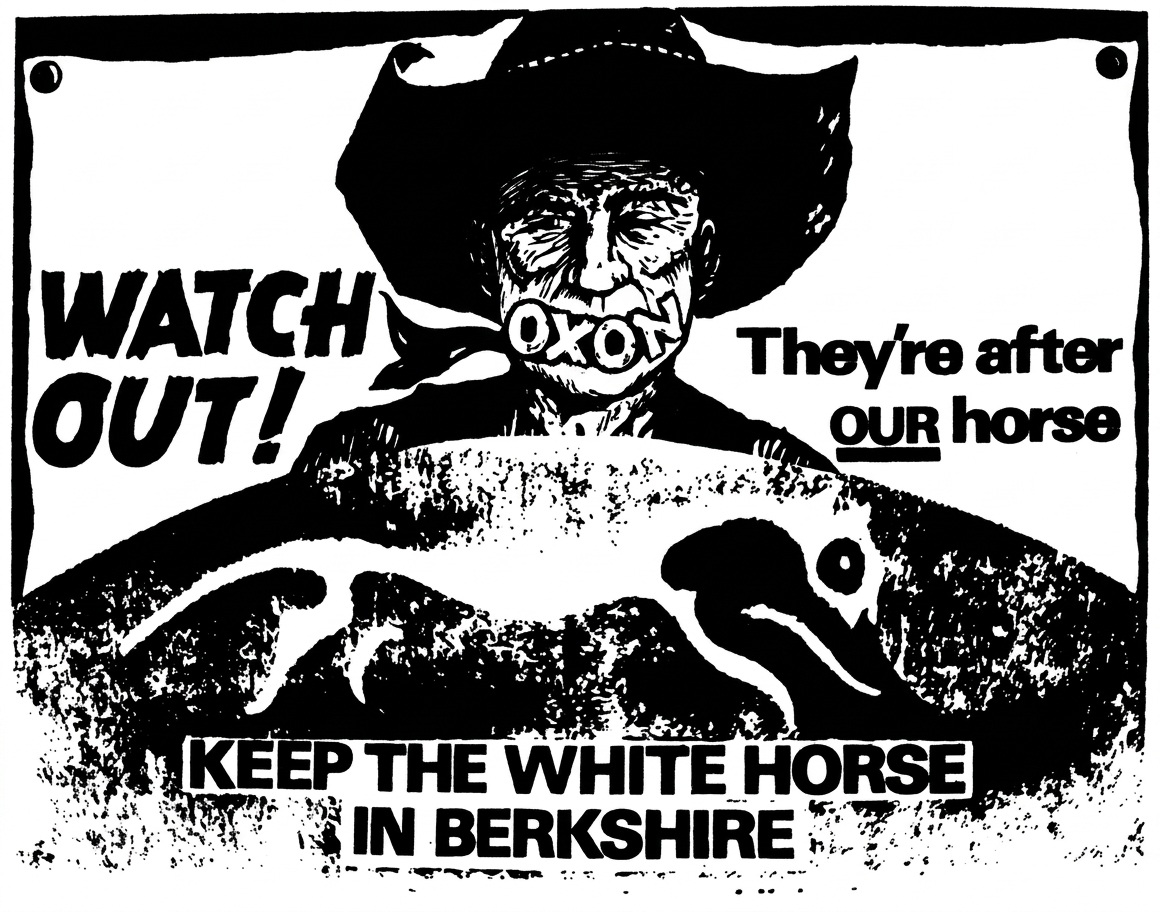
In the first of Mr McMahon’s five decisions, the current Oxfordshire County Council will be abolished along with the unitary West Berkshire Council, their combined area being formed into three new unitary councils. The current Oxfordshire County Council is infamous for having a wildly inappropriate name, its area including a huge area in the north-west of Berkshire.
Whilst two of the successor unitary councils do cover parts of both counties, the provisional names (Greater Oxford Council and Ridgeway Council) are sensibly neutral as far as the counties are concerned. The name North Oxfordshire Council is entirely reasonable for the third council.
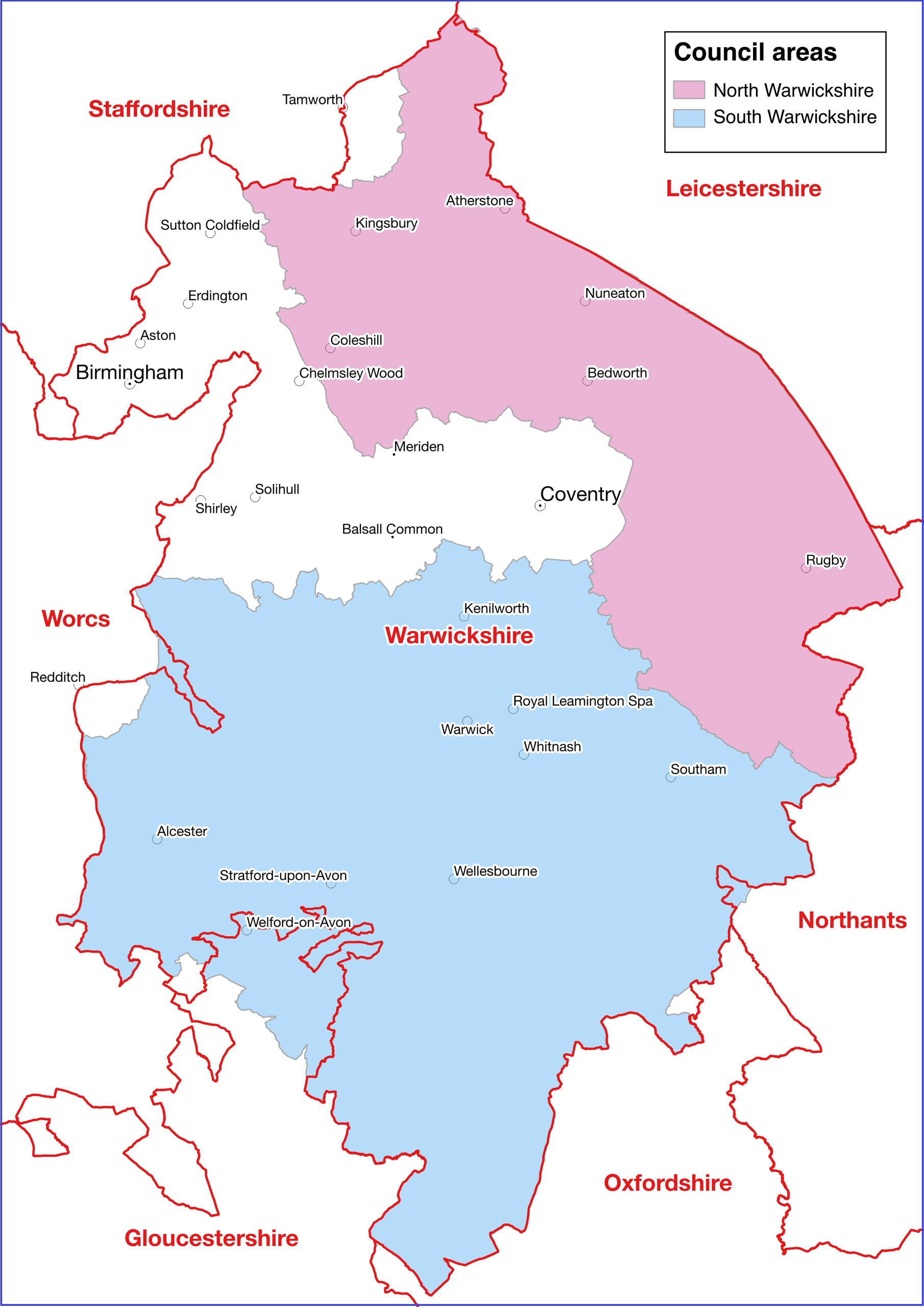
Mr McMahon’s second decision is to split the current Warwickshire County Council area into two new unitary councils, almost certainly to be called North Warwickshire Council and South Warwickshire Council.
The current Warwickshire County Council, set up in 1974, has one of the most outrageous of all local government names. Its area excludes the entire populous north-west of the county, including Birmingham, Coventry, Solihull and Sutton Coldfield.

The Minister’s third decision is to split the current Worcestershire County Council area into two new unitary councils, probably to be called South Worcestershire Council and North Worcestershire Council. The current Worcestershire County Council was set up in 1998 after the abolition of Hereford and Worcester County Council, itself a creation of 1974. The council’s name is not ideal since its area excludes the populous north-east of the county.
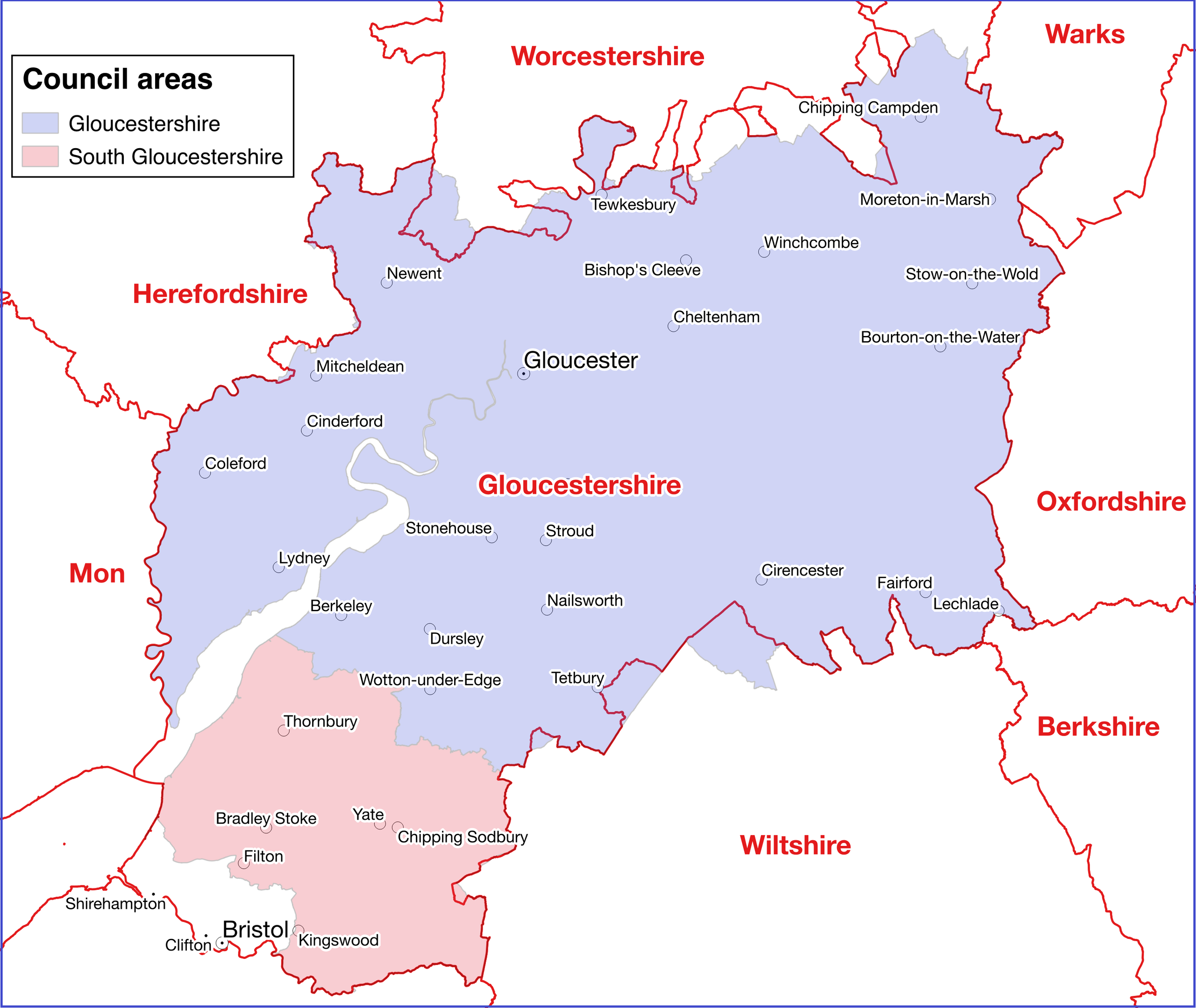
Mr McMahon’s fourth decision is less to ABC’s liking since the Minister has decided that the current Gloucestershire County Council area shall be the basis for a single new unitary council. It seems likely that the new unitary council will end up being called Gloucestershire Council.
The current Gloucestershire County Council, as set up in 1974, has always excluded the southern part of the county. From 1974-1996 this area was under Avon County Council and has since been under the two unitary councils: South Gloucestershire Council and Bristol City Council. The bizarre set-up of having a Gloucestershire Council and an adjacent South Gloucestershire Council could be avoided by calling the new council North and West Gloucestershire Council. Ultimately the new council’s name will up to the council itself.
The fifth decision announced on 29th October is to make the current East Sussex County Council a single unitary council, although there will some adjustment of its border with the unitary Brighton and Hove Council. ABC has no issues with this so long as the new council is called “East Sussex Council“, i.e. the “County” part is dropped. No decision has yet been made about the current West Sussex County Council, though the previous plans saw this as being split into two unitary councils.
All the remaining 15 areas in which local government reorganisation will happen have now had earlier decisions “withdrawn”. However, the Government statement said:
“Withdrawing these decisions does not mean reorganisation has been cancelled in these areas. All options and proposals remain under consideration in these areas and every area will have an outcome by early next year.”
The first five decisions show that the writing is on the wall for all of the remaining “county councils“. Oxfordshire CC, Warwickshire CC and Worcestershire CC are three of the smallest county council areas by population but are still being split into two or more unitary councils each.
Although Gloucestershire CC will be the basis of single new unitary council, the Government’s decision made it clear that this was a close run thing, saying:“the benefits of an authority this size just offset the disadvantages though this is a finely balanced judgement.”
All of the remaining “county councils” have much larger populations than these councils. It is hard to imagine that any of them will be used as the basis for a single new unitary council. Such unloved 1974 local government “counties” as “Lancashire“, “Cambridgeshire” and “Staffordshire” will surely be split up into several unitary councils.
The whole process has been delayed by a year from the timescale previously considered:
“Local elections in these areas will go ahead in May 2027 on existing council boundaries, providing certainty for local leaders and communities. New councils will be established for 2029, with elections to shadow councils in May 2028.”
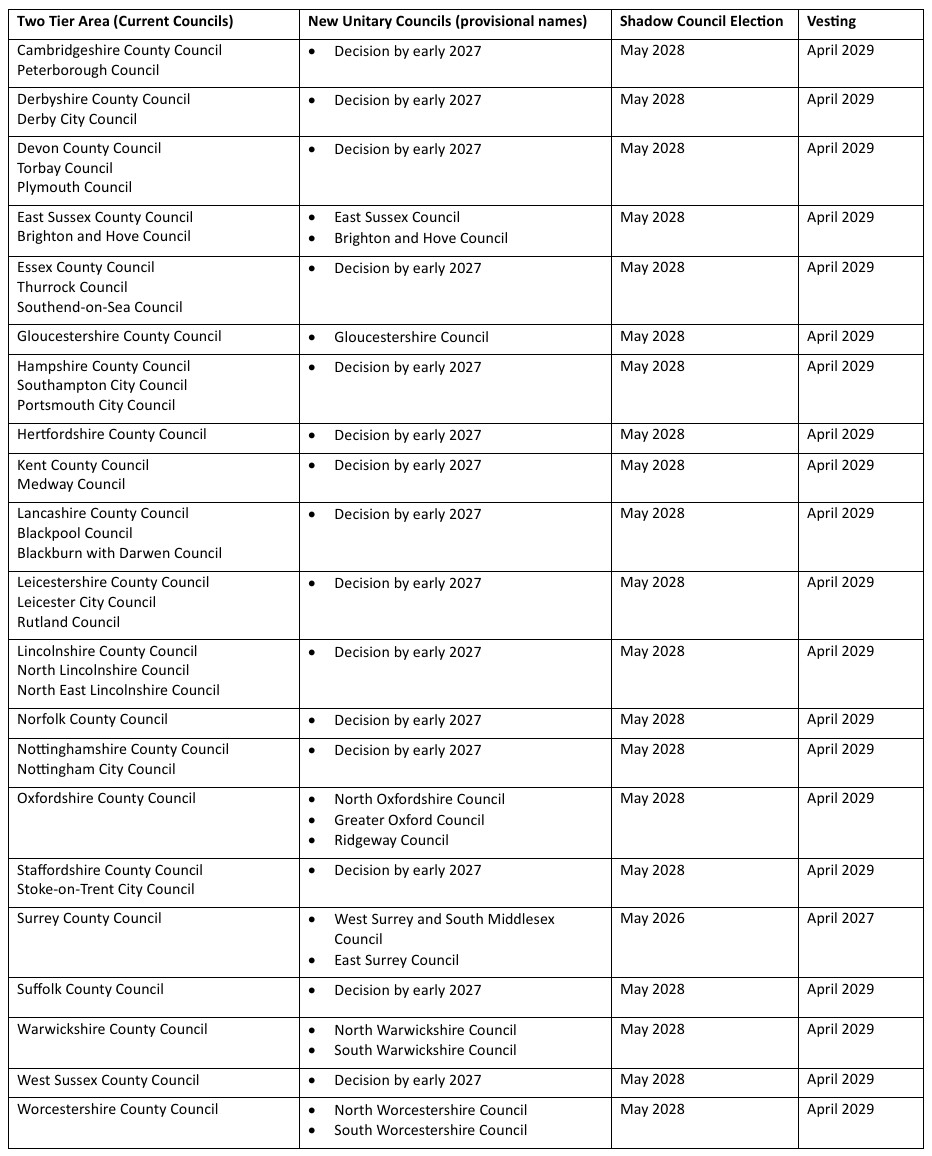
We summarise where things stand in all areas which form part of the reorganisation process in the table below.
7 thoughts on “Fake 1974 ‘Oxfordshire’, ‘Warwickshire’ and ‘Worcestershire’ go as abolition of ‘county councils’ recommences”
What going to happen to Durham county council as it covers some of the old north riding of Yorkshire another 1974 farce.
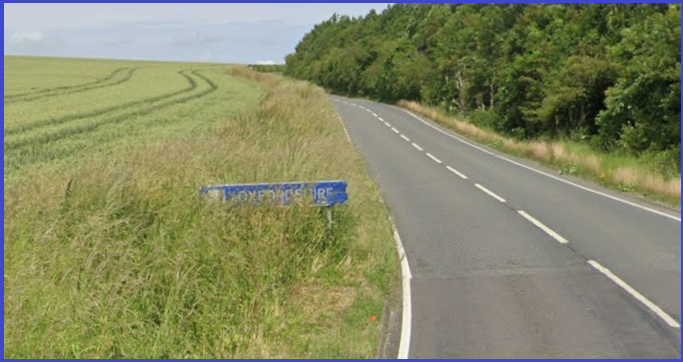
The review is only dealing with areas which still have two-tier local government. Hence, the area of Durham county council is not part of the review, this area having had unitary local government established some years ago. We agree that this council is very poorly named though. To its credit this council has been very cooperative in erecting ‘Historic North Riding of Yorkshire’ / ‘Historic County Durham’ signs along the Tees. There are two further crossing to have such signs erected. More news on this in the near future.
At Croft bridge between Hurworth place and Croft on tees village there have erected a north riding of Yorkshire sign on the Yorkshire side of Croft bridge but no County Durham sign on the Hurworth place side of the bridge will this be put right?
The Yorkshire sign was put up with agreement between YRS and North Yorkshire Council, repurposing a former district council sign. The Hurworth side is under Darlington Council. That isn’t to say that Darlington Council would not be agreeable to putting up a County Durham sign if asked. Be great if they did. I don’t know if anyone has sounded them out on the issue.
This is a good step for Oxfordshire. But the Cumbria example shows that it probably won’t make any difference to people’s perceptions of which county they’re in.
Because the ceremonial county of Cumbria still exists, almost everyone still says they live in Cumbria, rather than Cumberland / Westmorland / Lancs. Likewise, unless the ceremonial boundary between Berks and Oxon is moved back to the Thames, people from Abingdon and Faringdon will carry on thinking they live in Oxon.
The Government has yet to say what it intends to do with lieutenancy areas. It sees this issue as something to deal with much later on in the reorganisation process. But it is very unlikely it will leave the Berkshire / Oxfordshire lieutenancies on their present boundaries because local government ‘Oxfordshire’ won’t exist anymore and this boundary would run somewhere through the middle of the new Ridgway Council area. We will discuss the lieutenancies in detail in a later article, but we will be asking Government to set this lieutenancy boundary back to the Thames.
I hope you’re right.
I think realism is important here. Much as we’d like it, the government is not going to agree to align every boundary with the historic counties standard.
Better to focus on big but more simple wins to start with and push on from there. Top of my list would be: (1) Berks / Oxon; (2) restoration of Hunts and Peterborough back in Northants; (3) Bournemouth and Christchurch back in Hants; (4) abolition of Cumbria (and a fix for Penrith); (5) merger of East and West Sussex; (6) tidy up Yorkshire boundaries in Teasdale, Dent, Bowland etc.
A bigger mindset change would be needed for the former metro counties and I suspect would have to wait.