It may be the silly season but, as ever, there has been a lot happening in the world of the traditional counties movement. Local government reorganisation continues in England and is now ongoing in Scotland too. We look at the implications for the real counties. We catch up on the latest county day celebrations, give a big shout-out to our friends at the Kincardineshire Association, see where the ABC Vice-Chairman has got to on his pilgrimage around Surrey and applaud the Daily Mirror’s use of real counties in its weather reports.
Local Government Reorganisation in England – Is Anything Happening?
On 7th September 2026, the Ministry for Housing, Communities and Local Government (MHCLG) announced it was to “undertake a rapid review of the current local government reorganisation programme.” The review is supposedly to ensure that the process is robust following “updated and privileged legal advice” and that it aligns with the new Government’s “Re-wiring the state” devolution agenda.
This issue matters to the Association of British Counties (ABC) because we want to see a system of local government terminology and council names which totally separates the identity of local government from that of the historic counties. The programme as approved would have seen the end of phrase “county council” and the abolition of several such councils which wholly misuse historic county names, e.g. Lancashire County Council, Oxfordshire County Council, Cambridgeshire County Council etc.
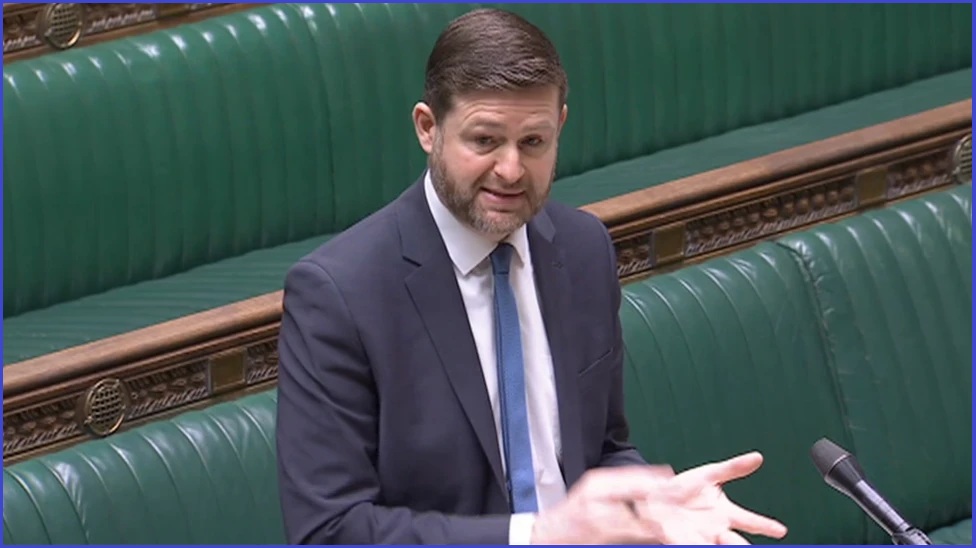
Minister for Local Government, Devolution and Growth Jim McMahon has undertaken to lay out the details of the review to Parliament in October. Until then we are not much the wiser as its purpose, guidelines or timescale.
However, MHCLG has issued a Devolution and LGR FAQs intended to keep councils informed of the current situation. This does contain some glimpses of the Government’s intent. The government is adamant that this is a review and not an end to the current reorganisation process. Most telling for ABC’s concerns is its answer to the question ‘How does local government reorganisation support devolution?‘:
“Achieving good growth requires a fundamental rewiring of the way the country works, surrendering power that for too long has been held in Westminster and Whitehall, and returning it to people and the places where they live, work and invest. Local government structures, and strong and sustainable local government, are vital to our devolution ambitions.
Single tier unitary authorities are the foundation for devolution and best placed to be partners with mayors and strategic authorities.”
This suggests that the Government does still intend to abolish the remaining “county councils” and establish unitary local government throughout England, though this may be put back by at least a year to 2029.
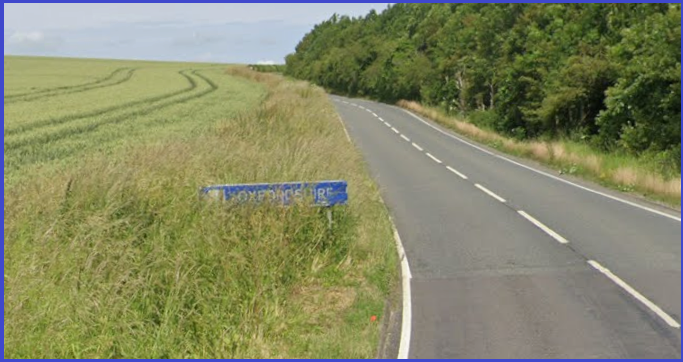
Could some of the current “county councils” survive as the basis for new unitary councils? Most have populations too large for this to be likely. Even if the review leads to larger councils than former Secretary of State Steve Reed previously approved, it is still hard to see how Lancashire County Council (population 1.3 million) or Cambridgeshire County Council (population 933,000) could become single unitary councils.
Scotland Set for Major Reorganisation of Local Government
The one thing we know about local government structures, names and areas is that they are eternally transient. That’s why the country needs a fixed, non-administrative geography based on history, heritage and commonly-held notions of community and identity. So it should be little surprise that change is in the air for local government in Scotland.
The Scottish Government has set out its Proposal for reform of local governance. This paper is intended as the starting point for a debate across the sector. The Scottish Government will form a firm set of proposals by the end of 2026.
In one major respect local government in Scotland is an excellent example of how local government can be given a distinct identity to the historic counties – it being provided by a set of 32 unitary councils which take the style “council” and whose areas are known as “council areas“. Councils have also generally been more agreeable to erecting historic county border sign than in England.
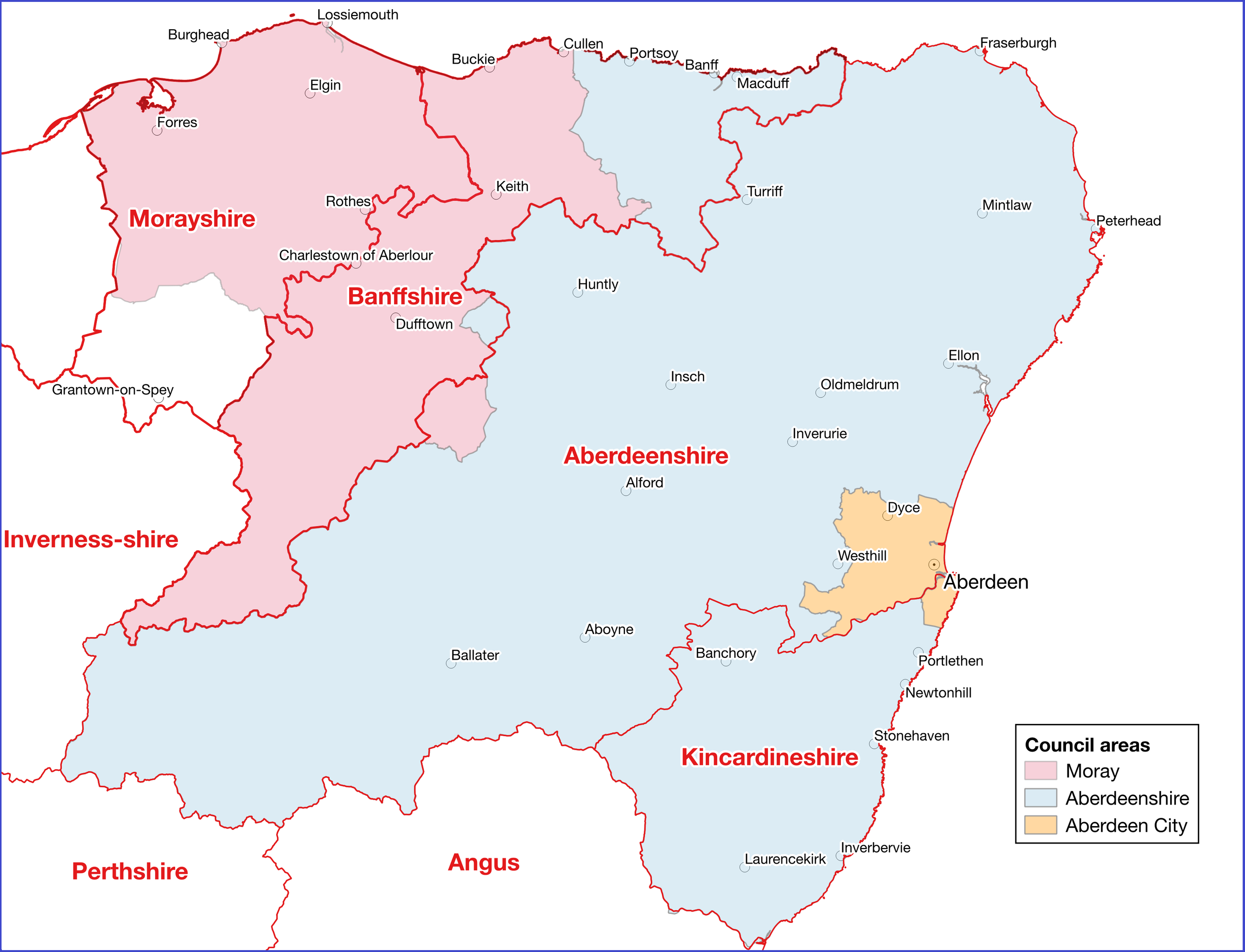
However, as we discussed in Scotland’s Worst-Named Councils, several of the current councils do make wholly inappropriate use of a historic county name. Aberdeenshire Council, which covers most of Kincardineshire and much of Banffshire, is a particularly egregious example.
The Scottish Government’s opening proposition is that the current local government arrangements are replaced with a small number (6 to 10) of regional authorities focussing on strategic decision-making along with a substantial number (120-160) of community authorities focused on local decision-making. According to the Scottish Government:
“Community authorities would sit within the borders of regional authorities, with the aim that community authorities would see ‘burgh/county/town/district/island’ authorities based on identifiable communities. For example, this could include areas such as Kilmarnock in Ayrshire, or Leith in Edinburgh, or Blairgowrie and Rattray in Perthshire, it could be townships, villages or islands.”
If such authorities do end up based on “identifiable communities” then giving them names which reflect those communities ought to be straightforward. The reality of local government, of course, is that council areas are often not reflective of historic or cultural identities at all and the council names chosen often actually conflict with these identities.
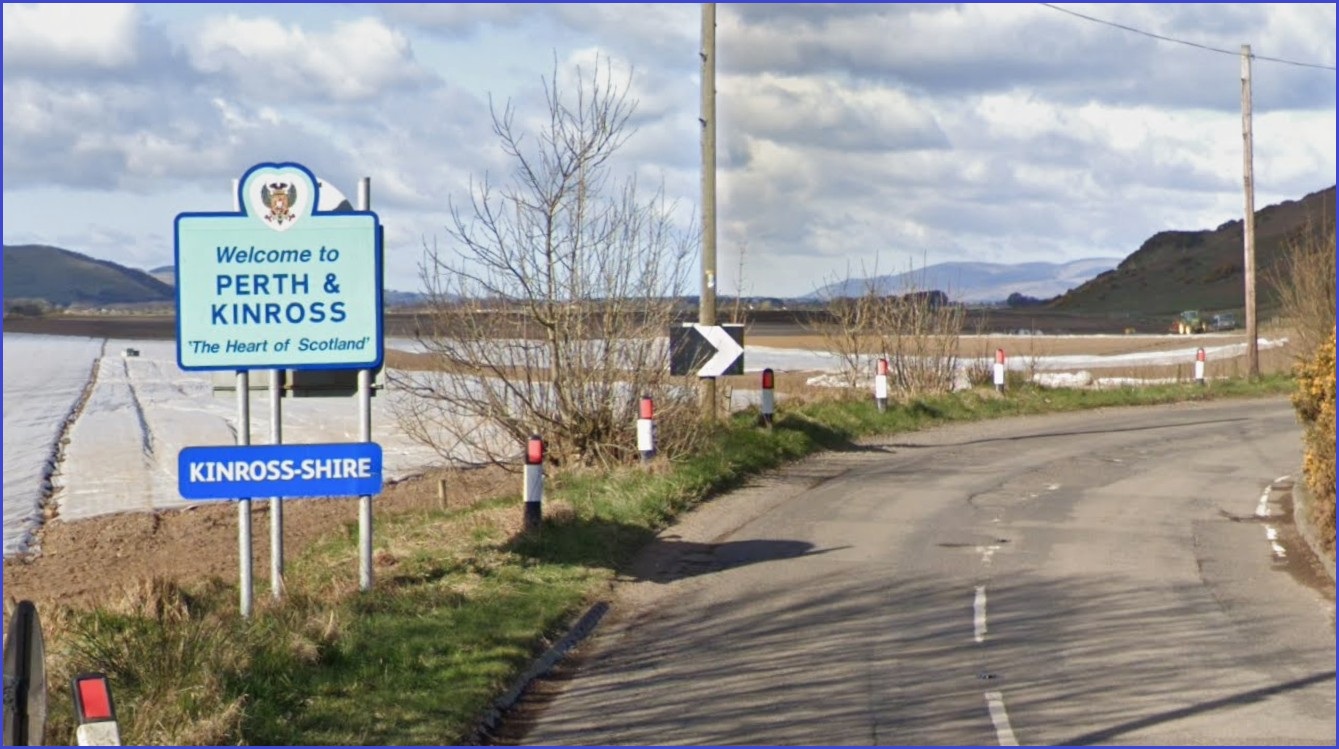
The devil may well turn out to be in the detail, but it is hard to see that the local government setup currently being suggested could be a major problem to historic county identities, provided that the current approach of keeping the word “county” well away from local government is continued.
The regional authorities will likely be too large to misuse county names and the community authorities too small. In a setup with 120-160 community authorities, the only historic counties that could become the basis for a community council would be Shetland, Orkney, Kinross-shire and Clackmannanshire.
A big positive is that those current councils which make the worst use of county names (Aberdeenshire Council, Moray Council, Renfrewshire Council, West Lothian Council, Midlothian Council, East Dunbartonshire Council, North Lanarkshire Council) would surely not survive in a regional / community council setup, each being too far small to be a regional council and far too large to be a community council.
ABC will make a submission to the debate emphasising the need to keep county and council separate. We will then watch where things go with interest.
Kincardineshire Association’s Facebook Page reaches 1,000 subscribers
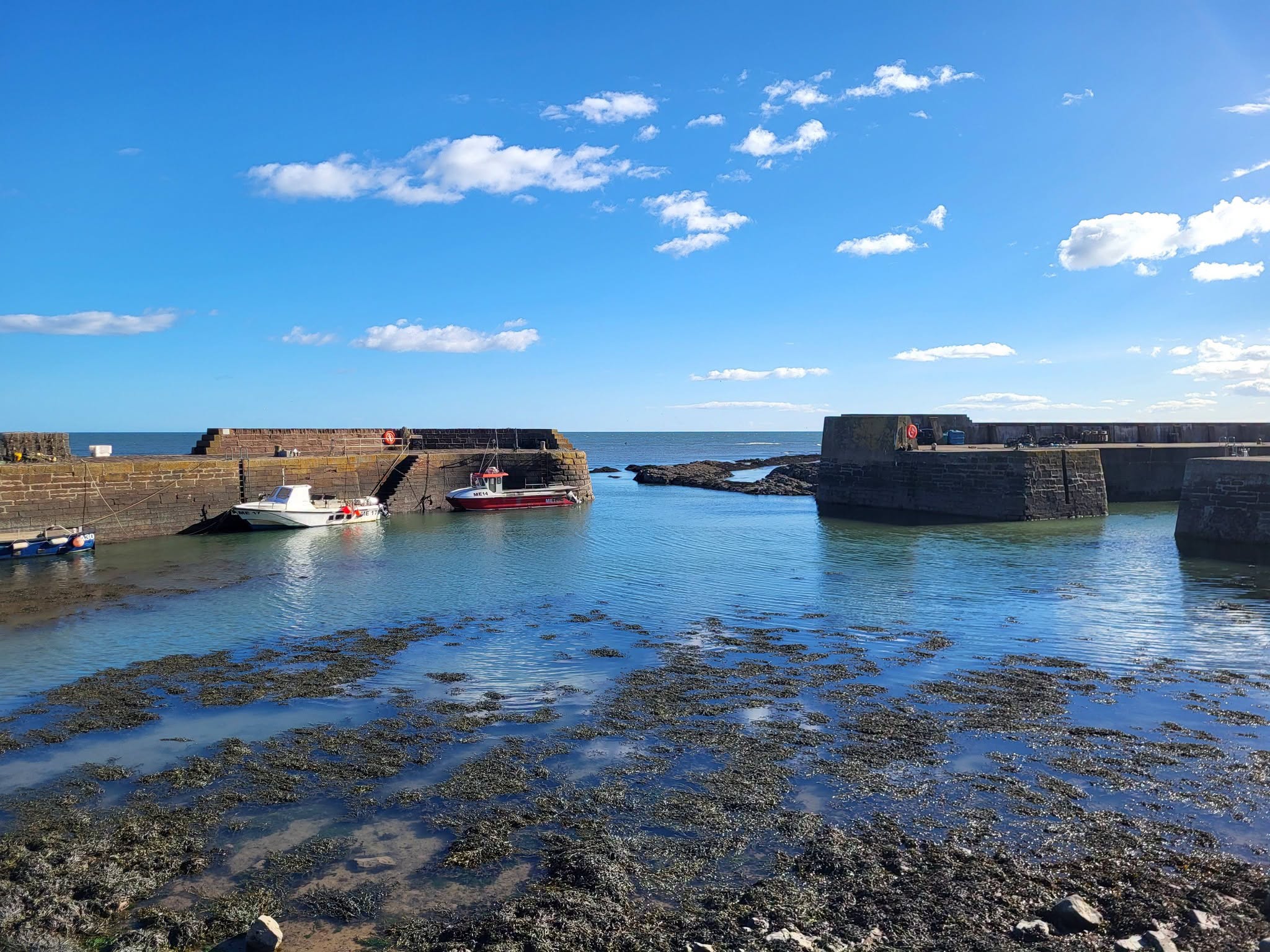
Congratulations to our good friends in the Kincardineshire Association. The Kincardineshire Association Facebook Page has now reached 1,000 subscribers. The page is a wonderful celebration of everything about Kincardineshire: its history, heritage, people, places and events. The evocative photos from across this most scenic of counties are an endless joy.
Facebook can be a very successful basis for promoting a county. The Sussex Flag Facebook Page has over 15,000 followers and has had a major impact on rebuilding a single Sussex identity. The Middlesex Heritage Facebook group, with over 3,600 members, was the driving force behind the successful campaign to see ‘West Surrey Council’ renamed ‘West Surrey and South Middlesex Council’. The County Durham Flag Facebook page has over 12,000 followers. Other major county-based Facebook pages are those of Passion for Somerset, the Yorkshire Ridings Society, Friends of Real Lancashire, Friends of Bedfordshire Society and British County Flags.
The joy of Facebook is that one can start small, post as and when time allows, and build up followers gradually. If your county does not currently have a Facebook page or group then it is worth taking a look at the Kincardineshire page to see what can be achieved.
County Days of September
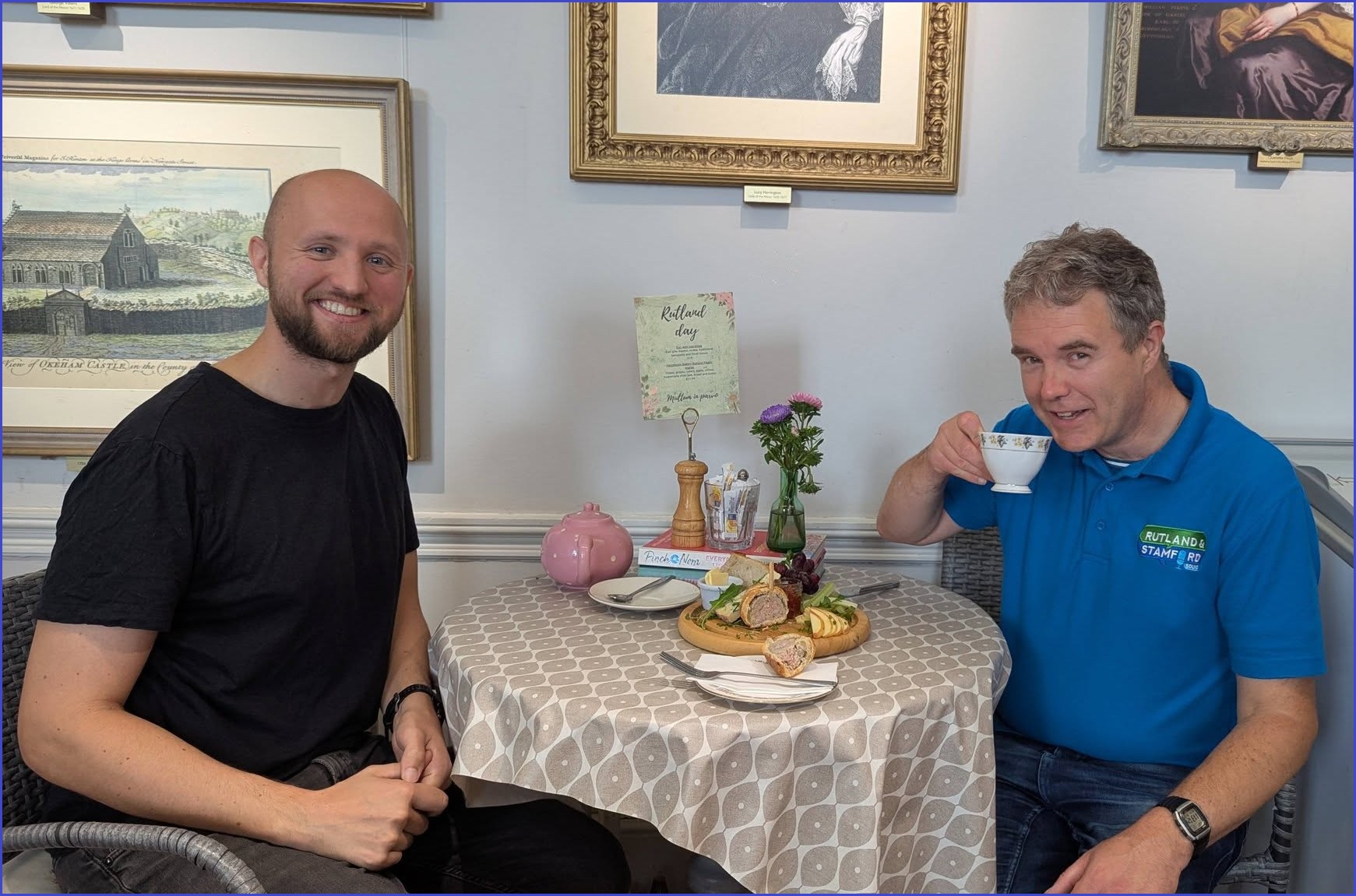
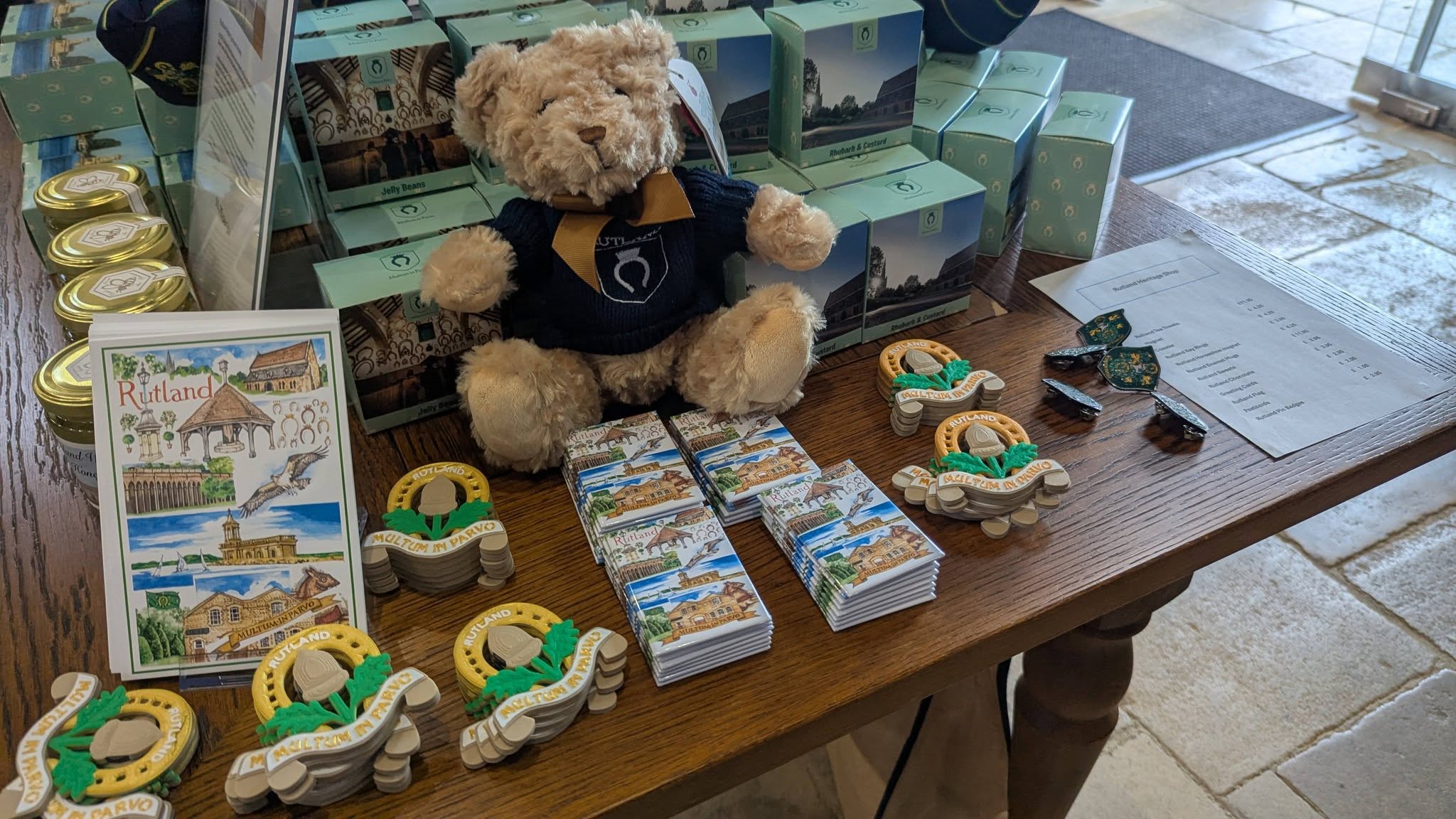
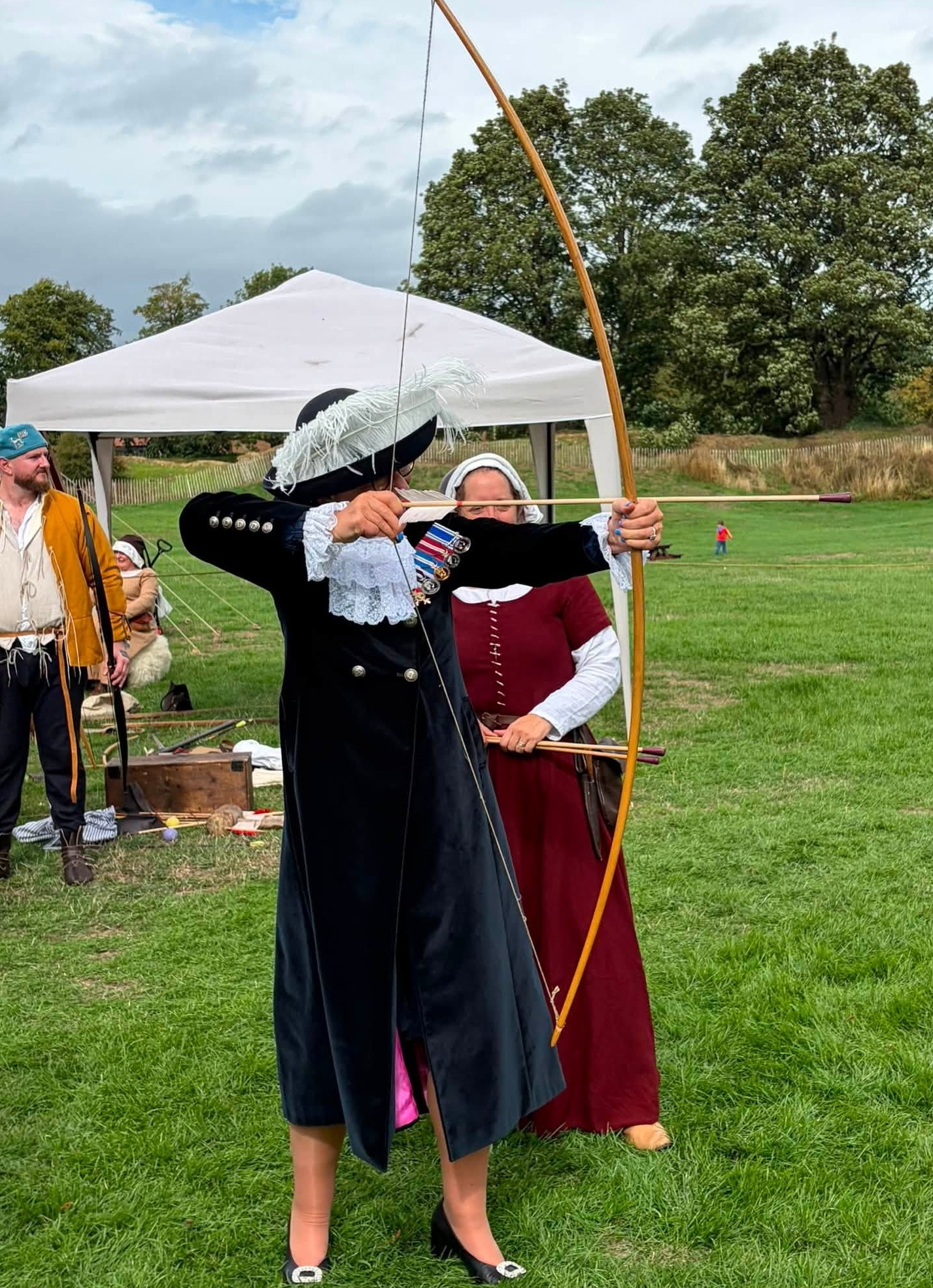
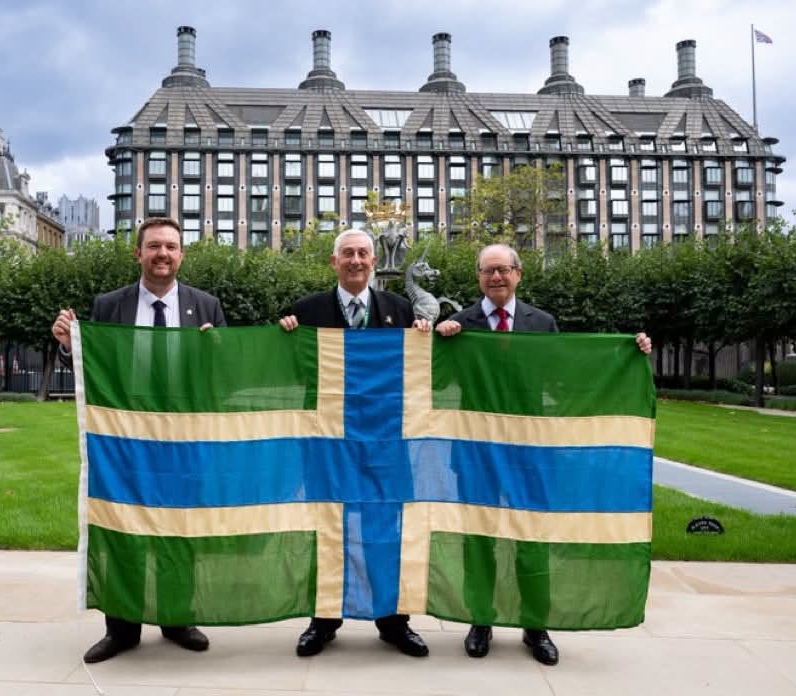
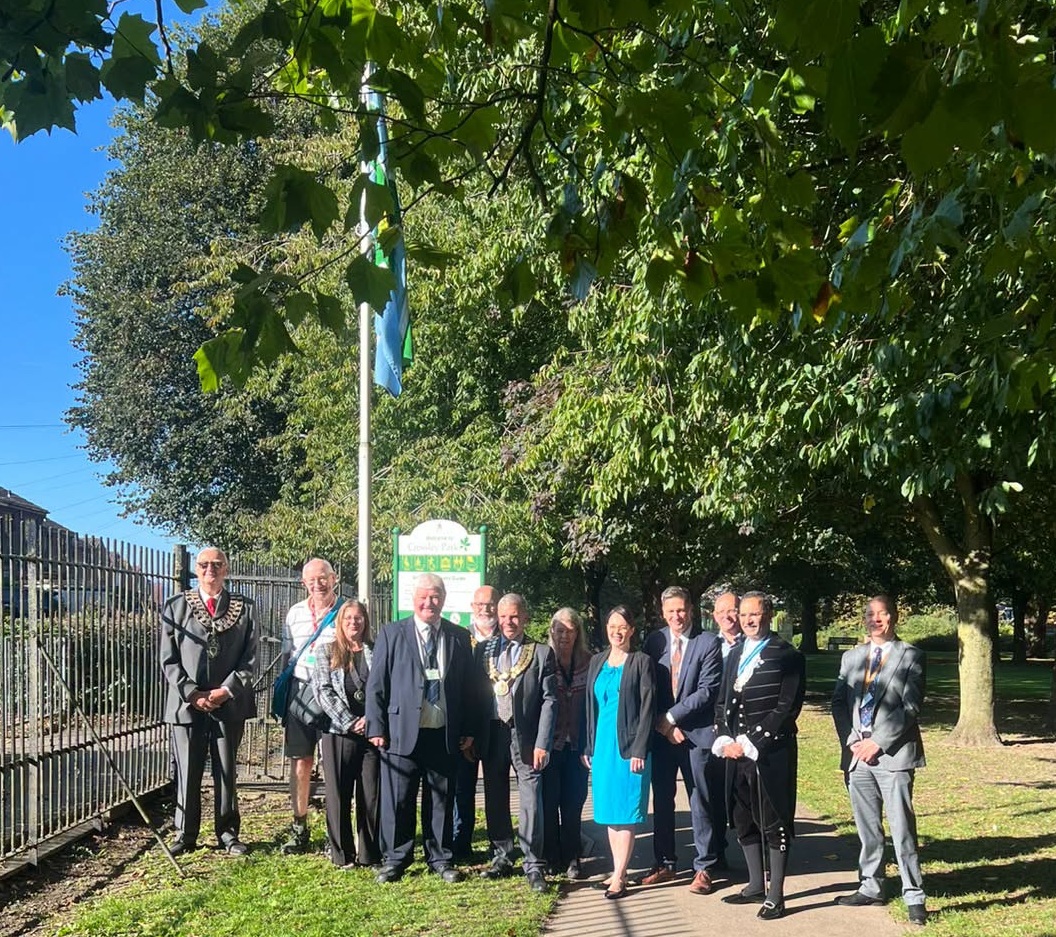
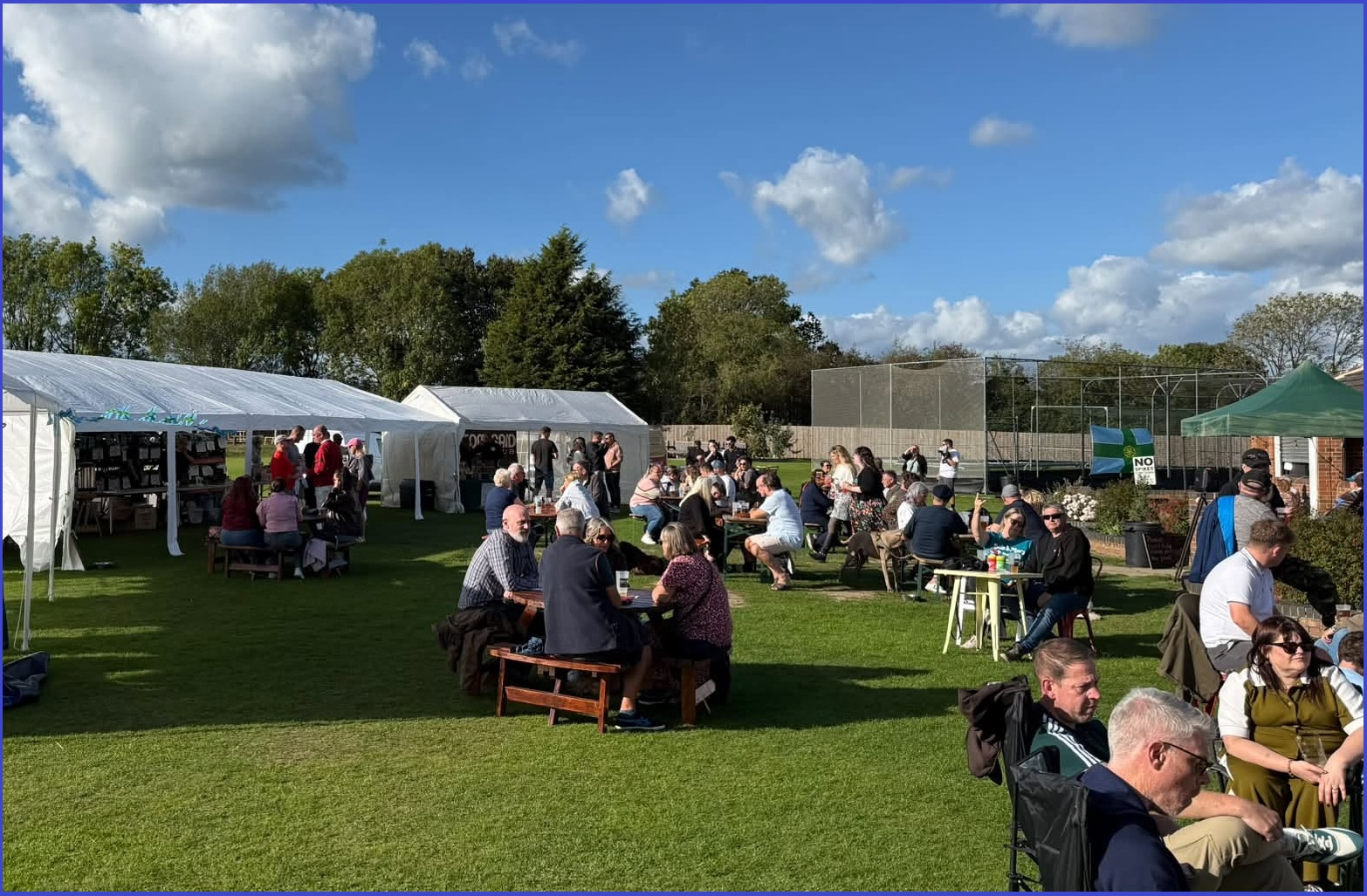
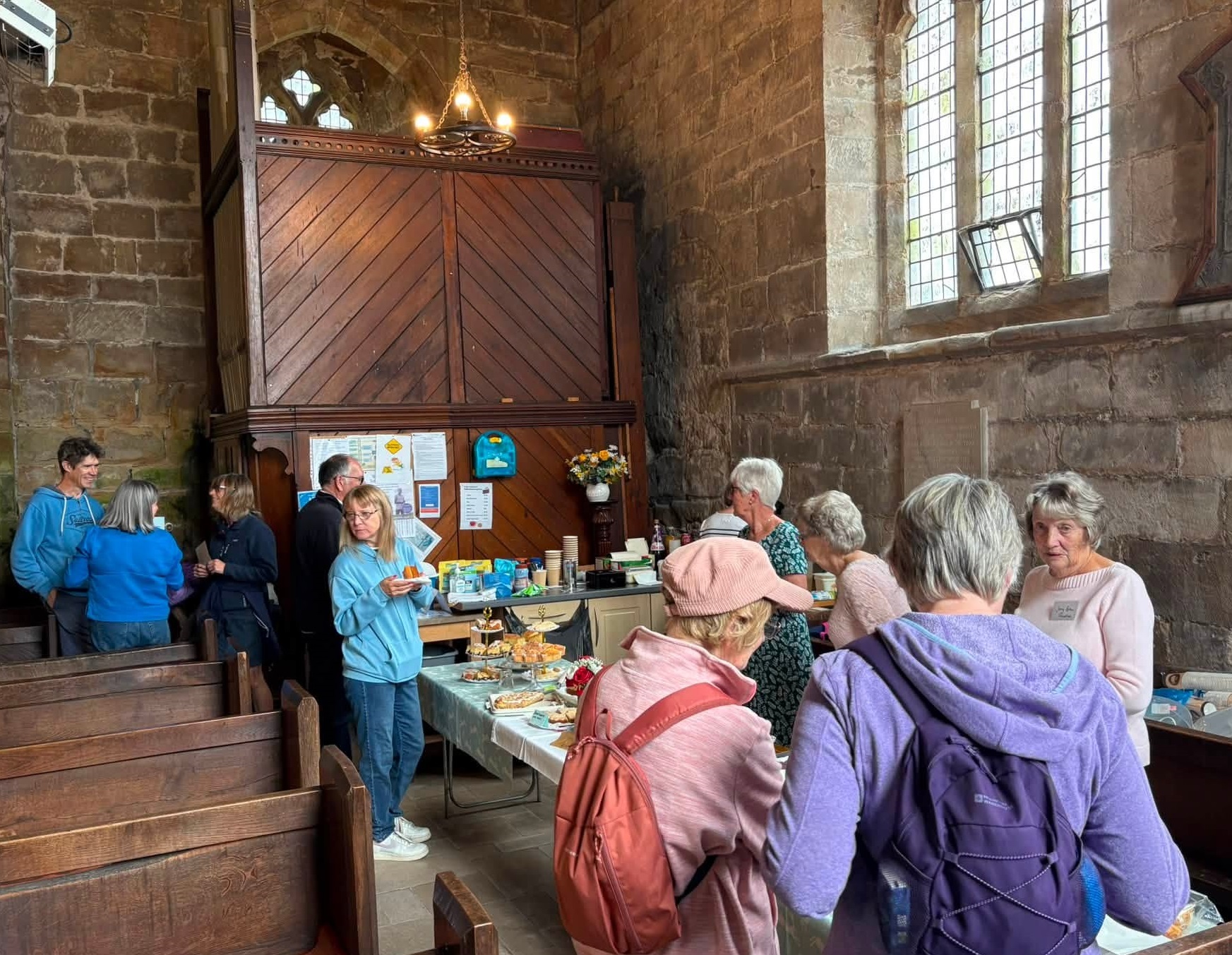
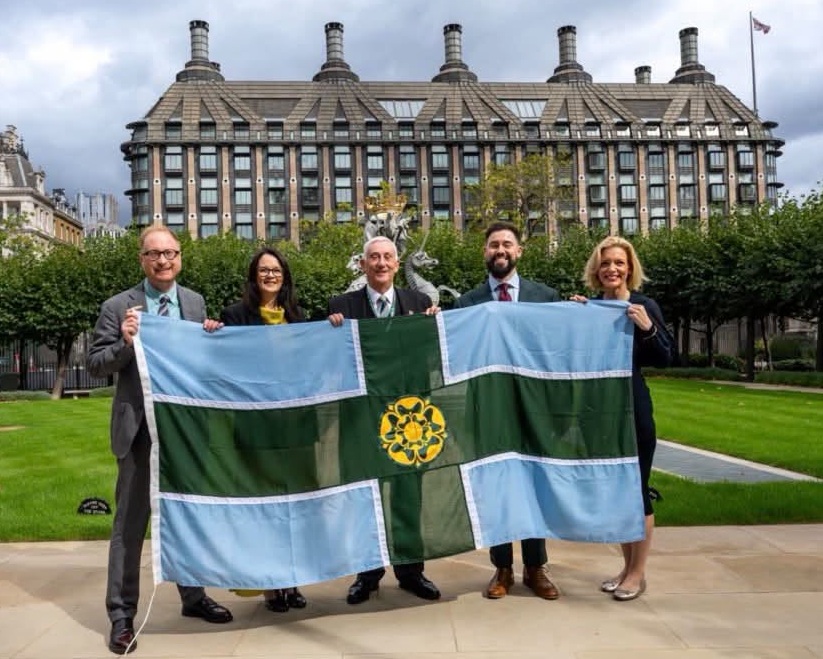
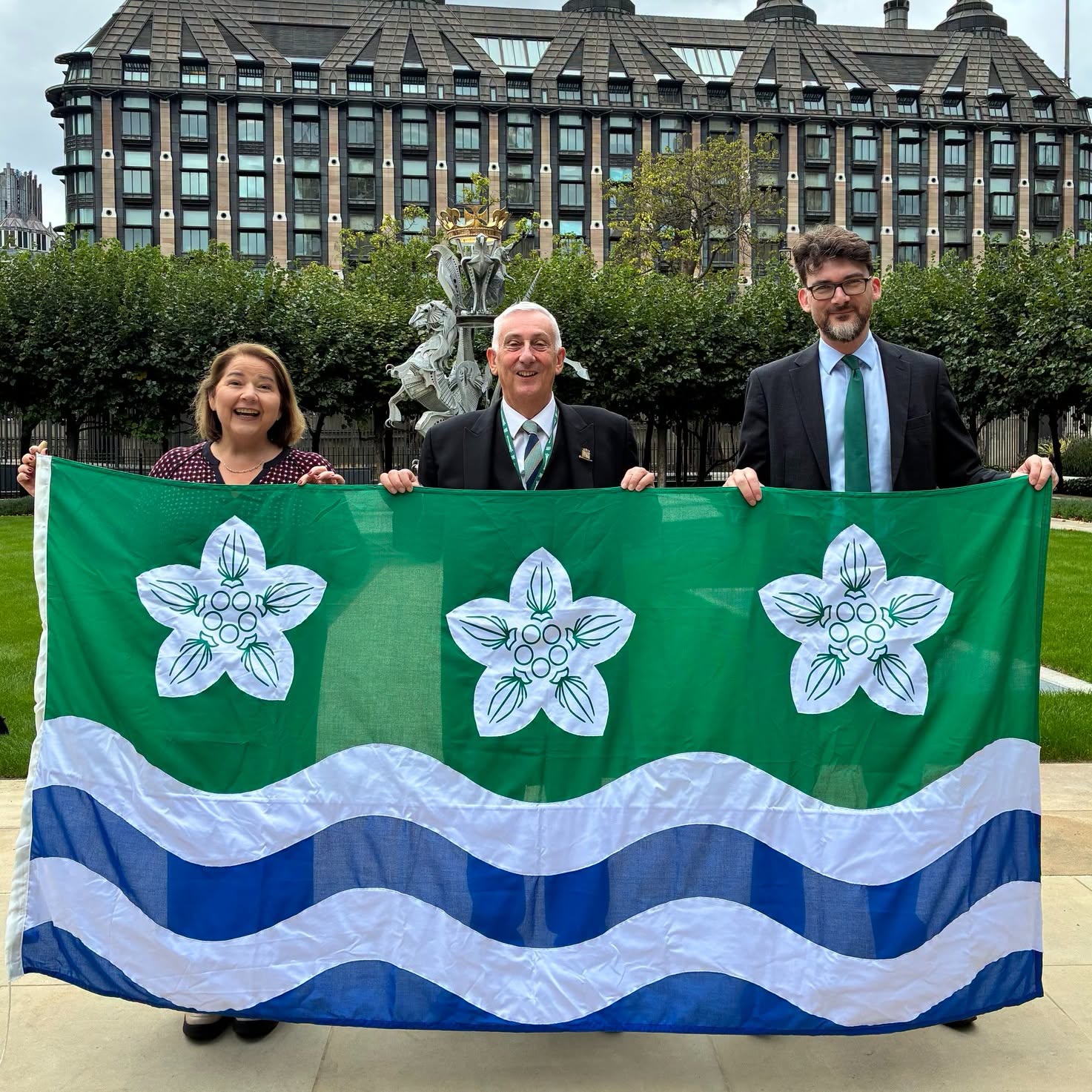
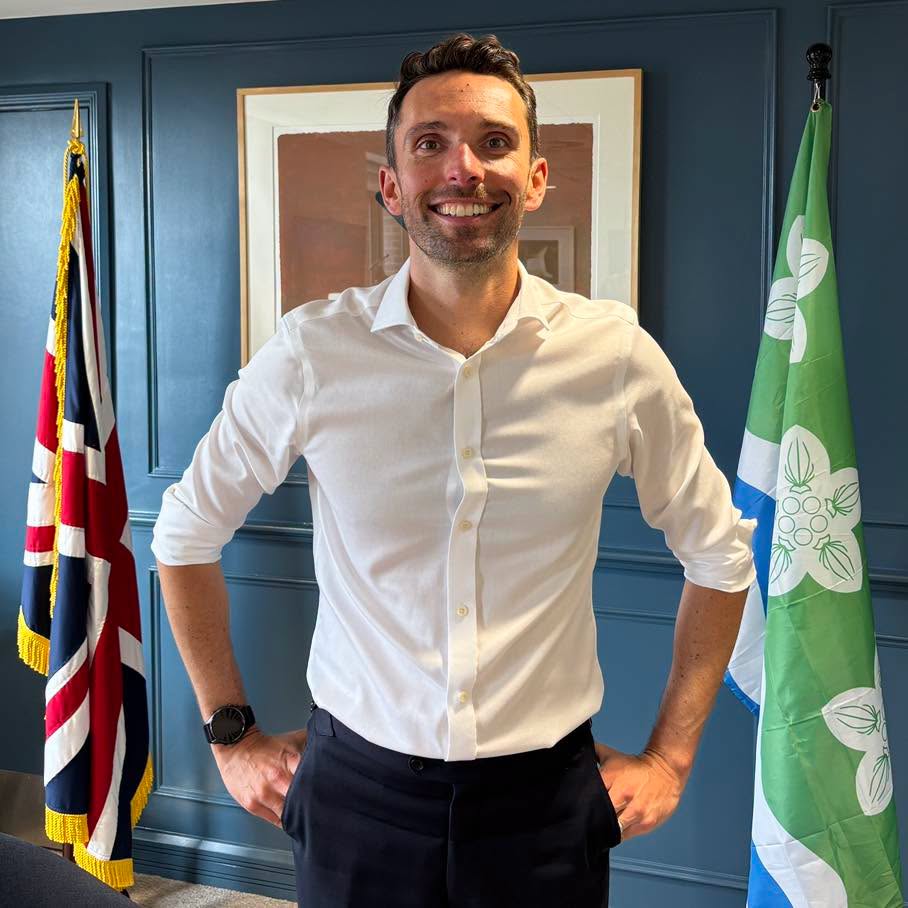
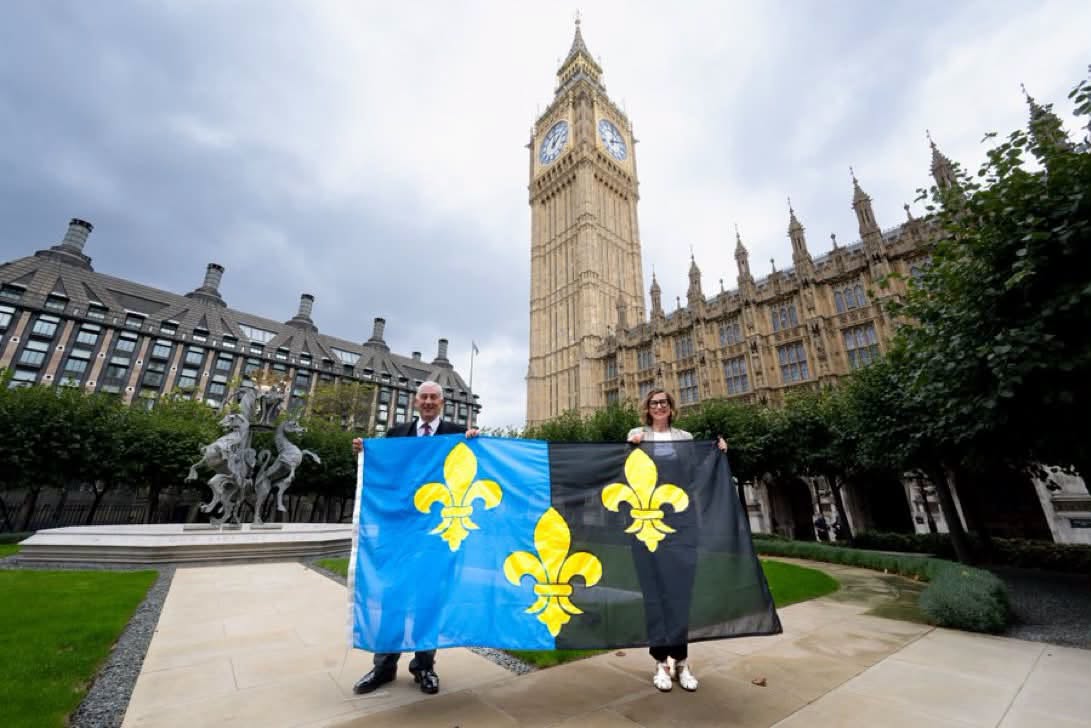
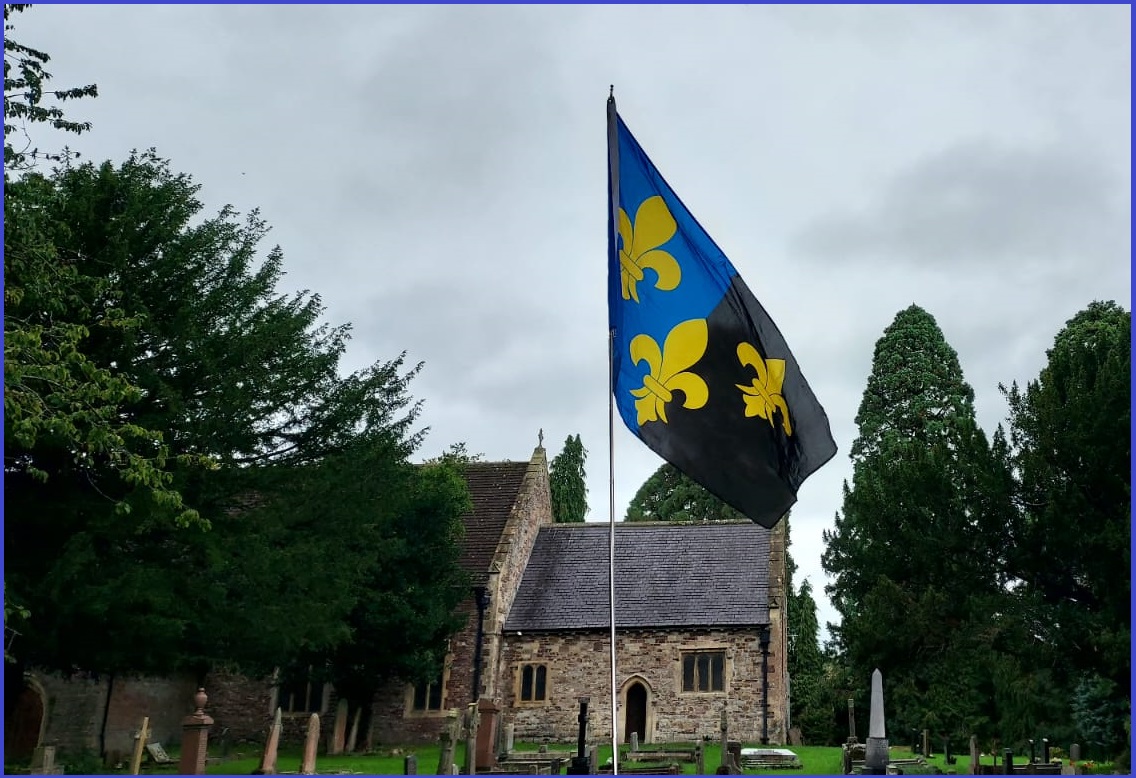
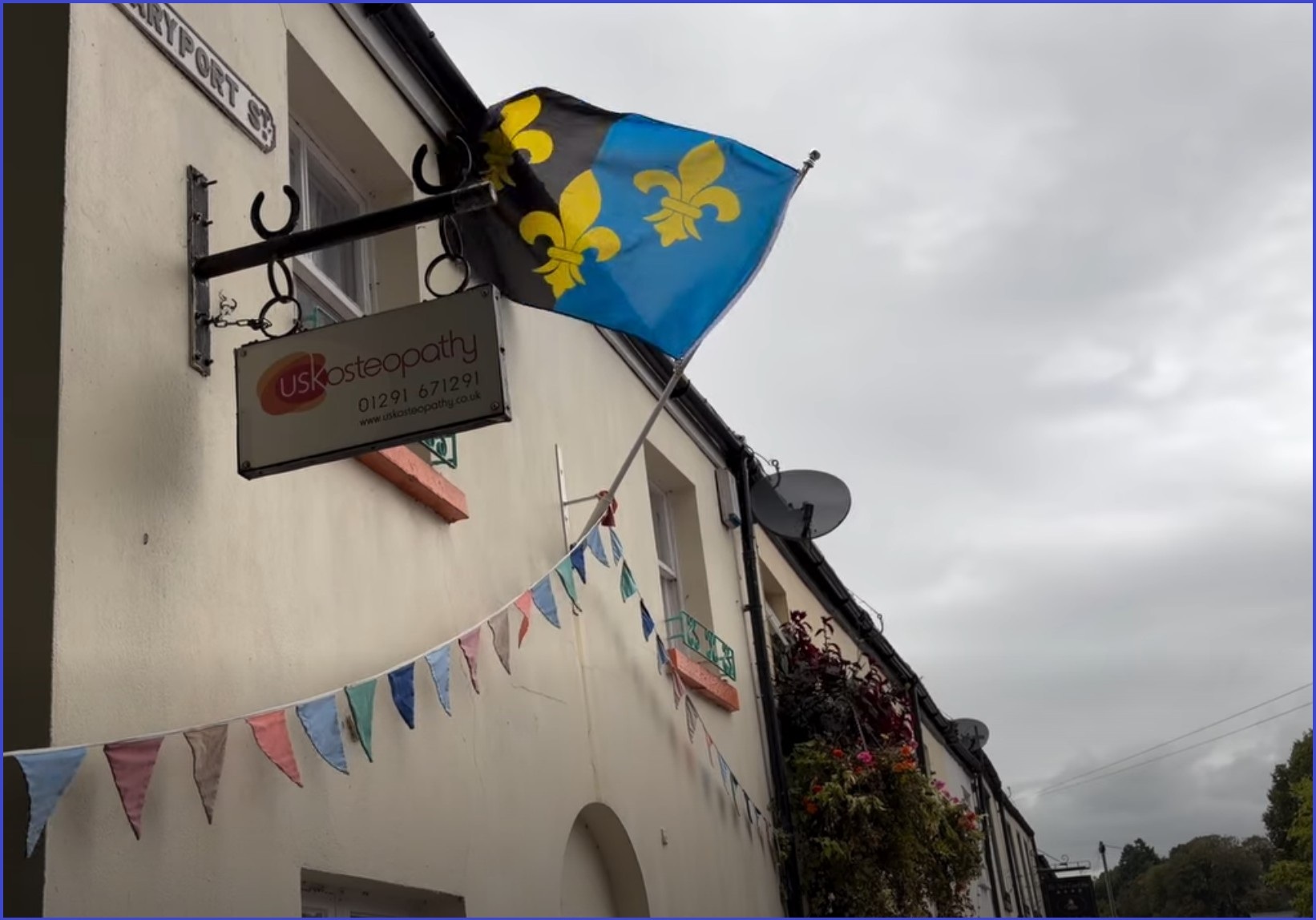
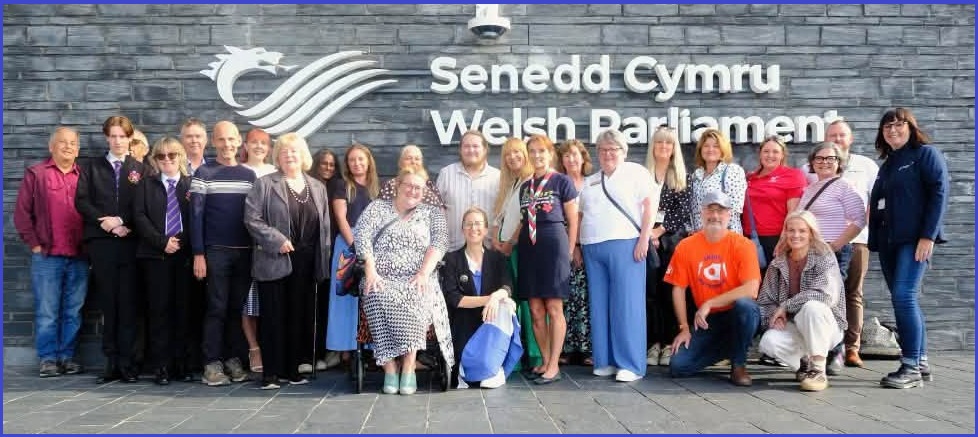
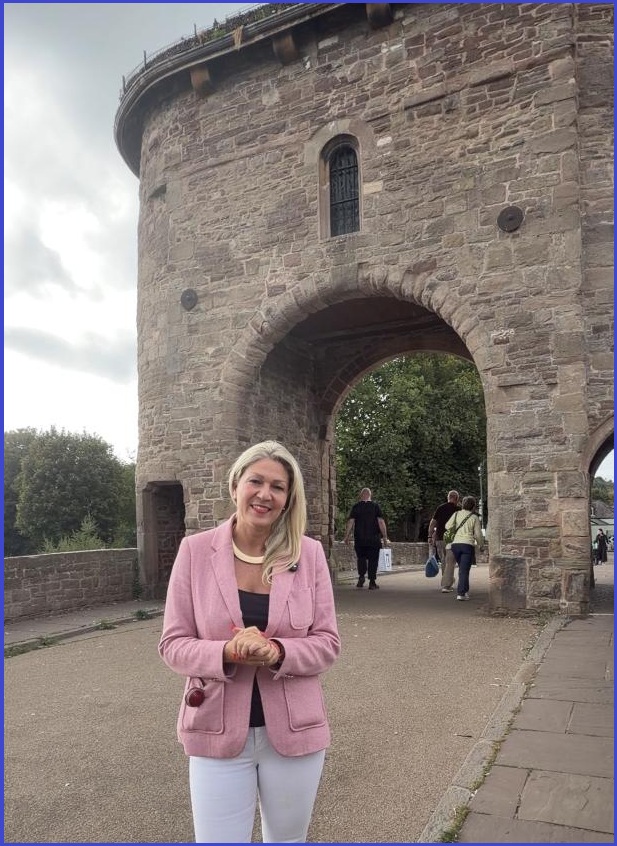
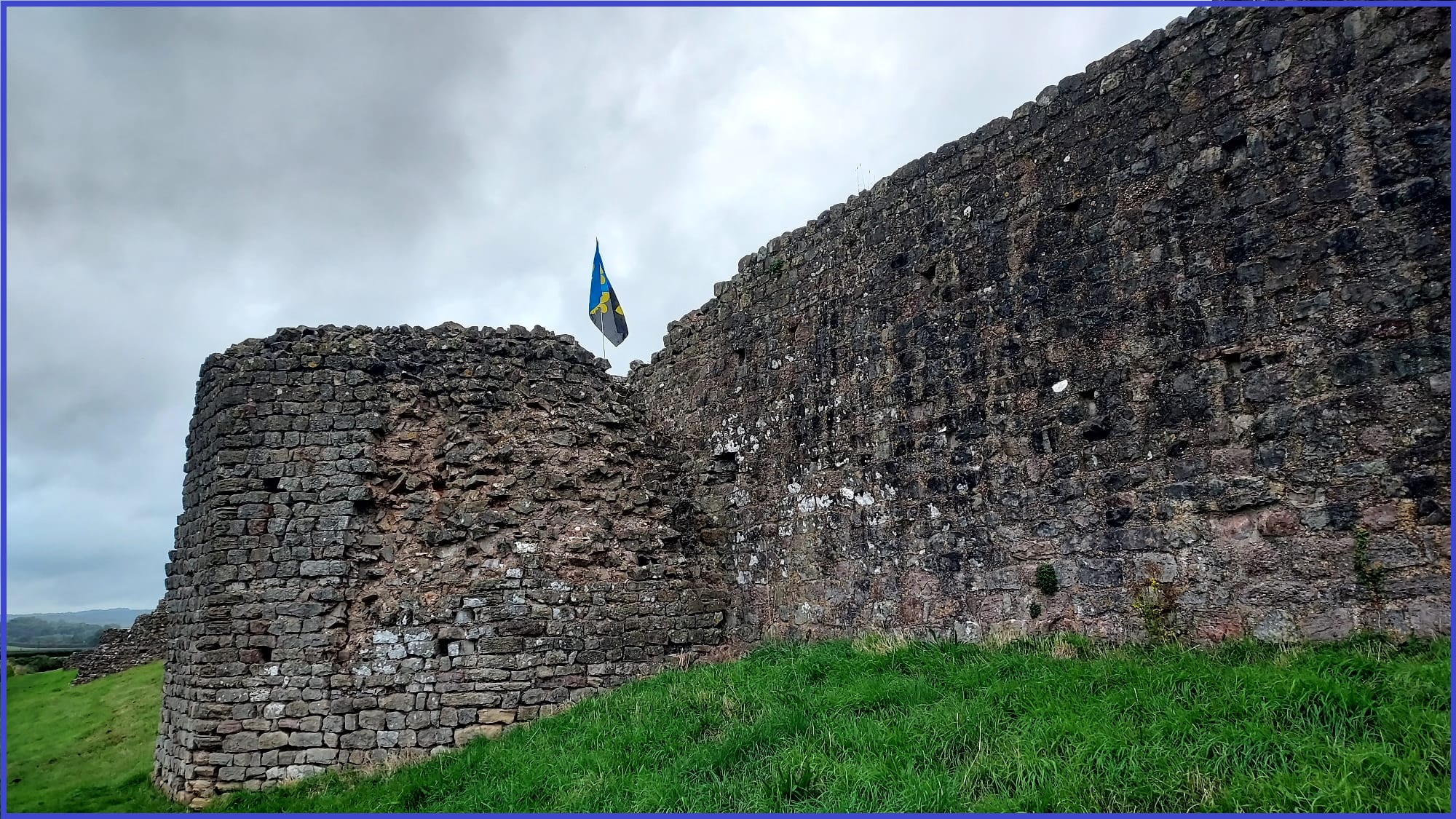
September is another big month for county day celebrations with Rutland Day (13th), Gloucestershire Day (21st), Derbyshire Day (22nd) , Cumberland Day (24th), Monmouthshire Day (25th) and Westmorland Day (29th). These county days have perhaps not previously been the largest such celebrations. The potential is certainly there but maybe they have lacked having organisations and individuals as dedicated to promoting the county day as has been the case behind the major successes of Yorkshire Day, Lancashire Day, Somerset Day, Sussex Day, Middlesex Day and Bedfordshire Day.
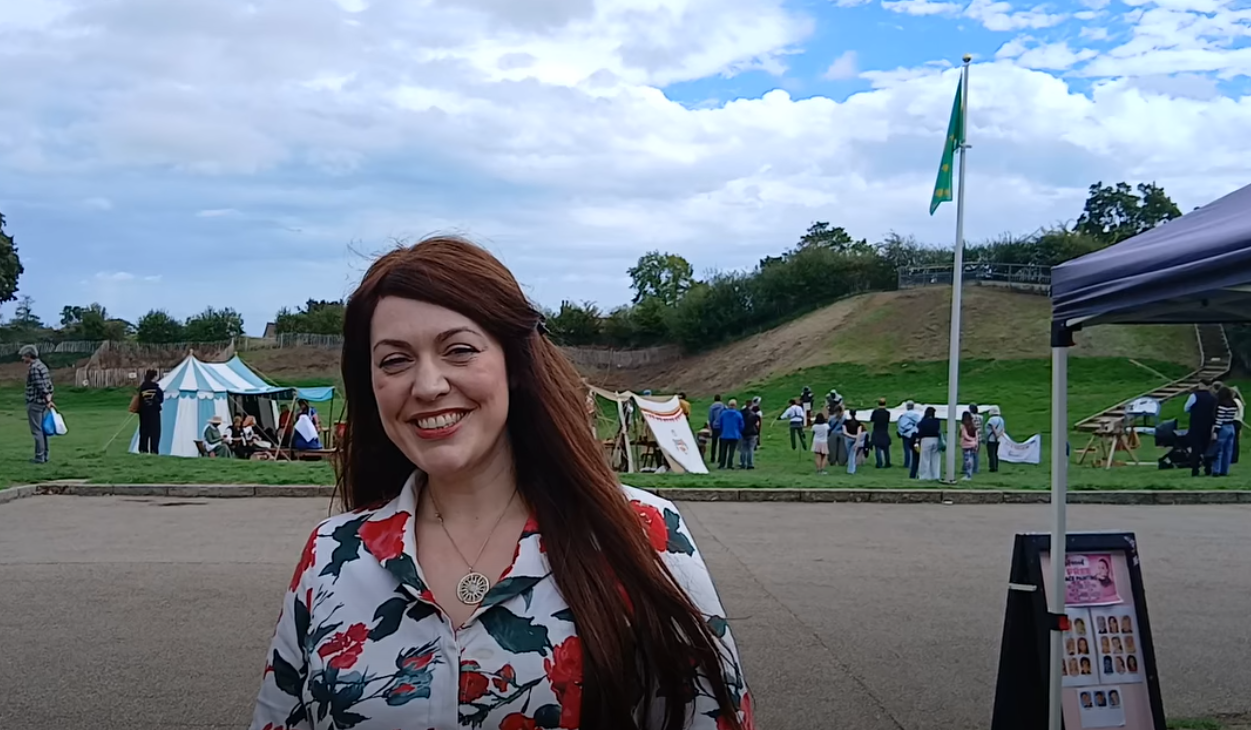
Given this, it has been encouraging to see each of these county days be more widely celebrated and publicised than in previous years. We are especially grateful to The Speaker, Sir Lindsay Hoyle, for his continuing support for each county day. This has had the effect of getting MPs to support county days more generally. Local government and local dignitaries have also shown more support this year, along with a noticeable uptick in local media coverage. We have no doubt that all of these county days could be major community events with a larger degree of organisation and publicity.
A Pilgrim’s Progress: Rupert’s Surrey Border Walk
ABC Vice-Chairman and Surrey native Rupert Barnes is continuing his walk around the entire border of his native county Surrey. The walk is in support of the Stroke Association (please donate) and will forge a new Surrey Border Walk.
Rupert began his walk on Saturday 5th September on the Surrey bank of the River Thames and, proceeding anti-clockwise, has been continuing each weekend since. You can follow his blog of the whole walk on Surrey About It All.
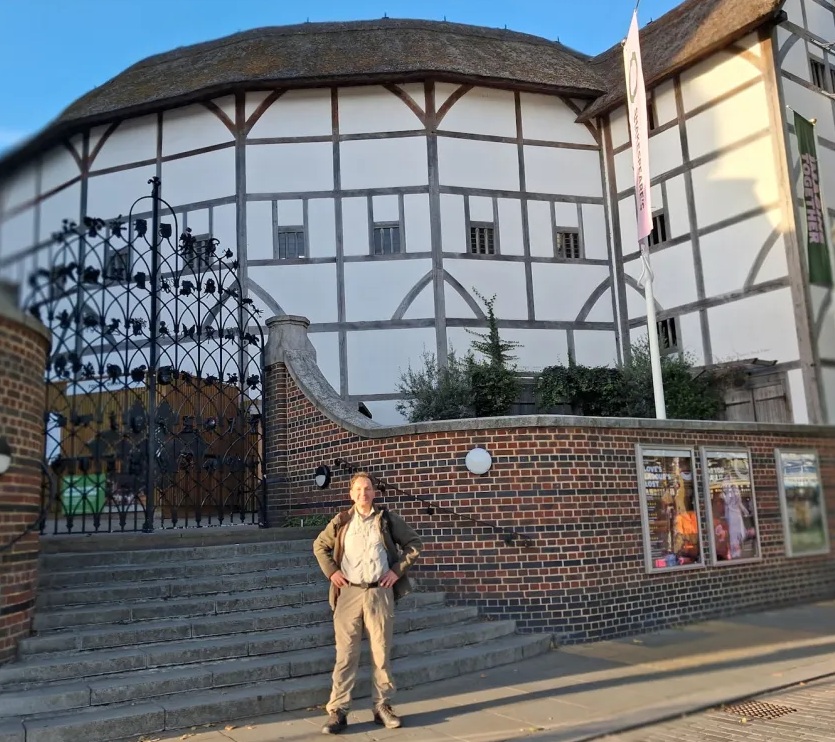
Thus far Rupert has walked along the Surrey shore through Rotherhithe and the Surrey Docks; down through the urban and suburban landscapes of the Surrey – Kent border (Deptford, New Cross Gate, Honor Oak, Dulwich and Sydenham Commons, Crystal Palace Park, Penge, South Norwood Park); out into the countryside at Addington; past Haxted and down to where Surrey, Sussex and Kent meet on the Kent Water; then westwards along the Surrey-Sussex border; past East Grinstead and Gatwick Airport and finishing weekend 4 by the A24 near Kingsfold (Sussex), about half way around. To be continued…
Hotting up: Daily Mirror gets real with its counties list
Weather forecasts are, of course, an obsession of British life. They are also a very obvious field in which using a fixed geographical reference frame is vital. People have to know where it is the forecaster is referring to. The Daily Mirror has spent the summer predicting numerous heatwaves. From ABC’s point of view, the encouraging thing is that in all these articles the list of counties affected is always the real counties.
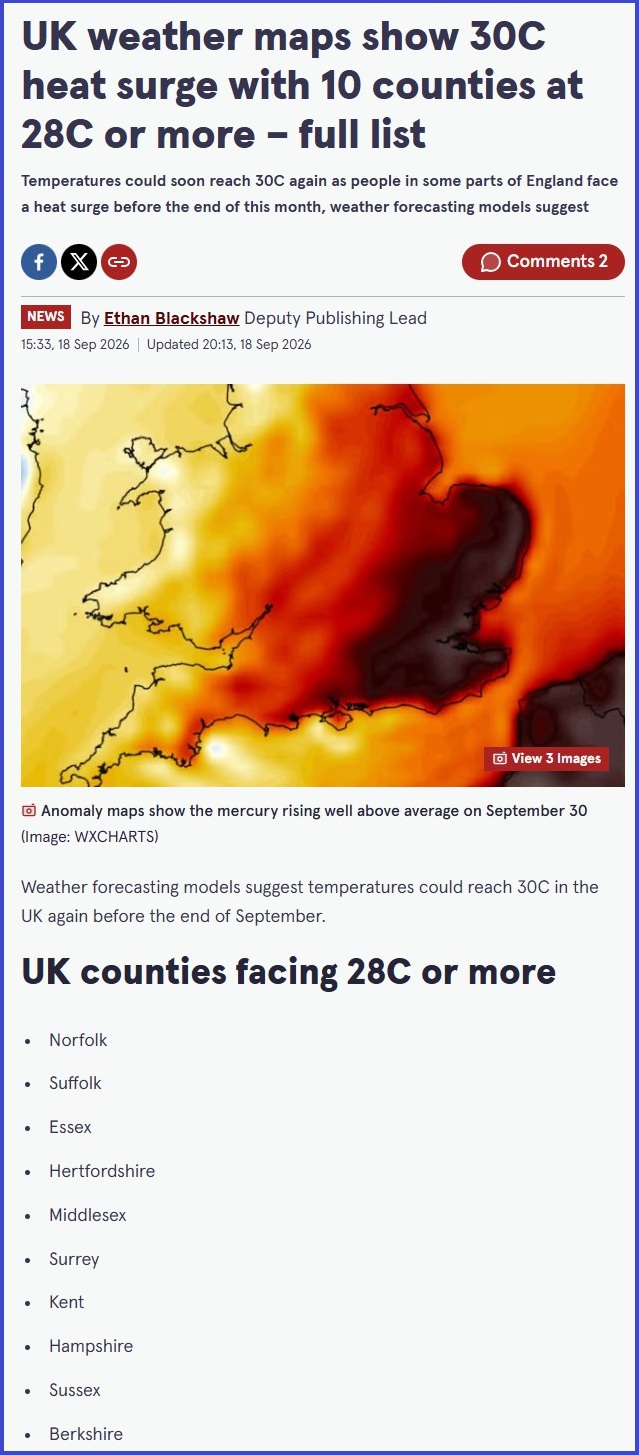
The list of counties must be being supplied to the Mirror by the Met Office, which is even more encouraging. The Met Office must be aware of the historic counties and even be publishing data in terms of them. It seems highly unlikely that the Daily Mirror is taking Met Office data and recasting it in terms of the historic counties. Let’s hope this is the start of a trend. Showing the counties on the weather map would be a great next step.
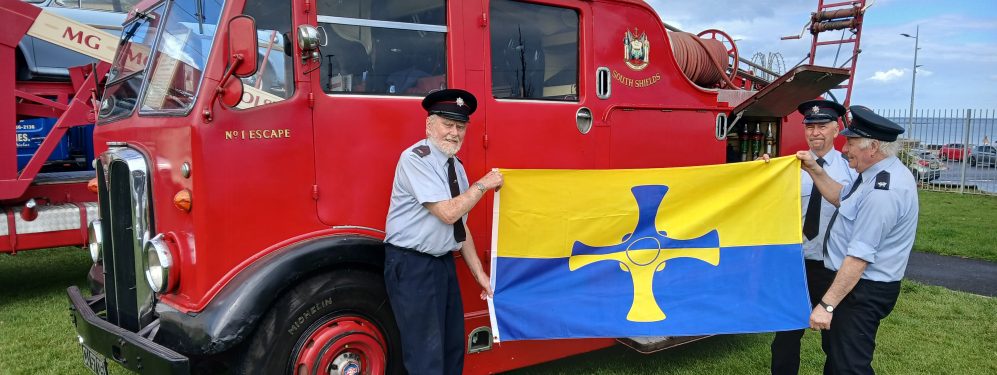
Banner photo is of the County Durham flag proudly displayed at the recent Historic Vehicle Rally held at Seaburn, organised by the North East Bus Preservation Trust. Photo by Graeme Keedy, ABC County Durham Branch.
3 thoughts on “County News: September 2026”
Now that wholton bridge has reopened when will the County Durham and north riding of Yorkshire signs be erected?
Yes, the council has assured us these will be erected in the near future. We’ll feature it here and on our social media once it’s done. The signs at Middleton should also be erected soon.
Since the Daily Mirror can’t be the only news source that publishes data supplied by the Met Office, shouldn’t the Met Office’s preference for historic counties (assuming the geographical aspects of its data aren’t being altered by the said newspaper) be reflected in other news sources too?