We present a bank holiday special featuring the latest stories from the front lines of the traditional county movement. We cover the agony of Rutland’s lost border signs and the ecstasy of Somerset-Dorset border signs found. We look at the frustrating delay plaguing the restoration of Fermanagh’s border signs, major plans to celebrate Sussex’s 1550th anniversary, and how the Yorkshire Ridings Society became unlikely film stars. Plus, we feature the swishing tail of Dunkery, the Somerset Dragon; the ABC Vice-Chairman’s circumambulation of Surrey; a first look at brand-new postal addressing data; highlights from this summer’s county day celebrations. Finally, we lift the covers on The Joy of Vex flag blog.
Lost: Rutland’s Iconic Border Signs Stolen
Rutland has had more than its fair share of “county confusion” since 1974. But its iconic “Pre Worboys” metal border signs – largely dating from the 1950s and early 1960s – have stood firm throughout it all. When the county was infamously put under Leicestershire County Council, all attempts to remove the border signs were fiercely resisted.
The BBC now reports that around 10 of these historic signs have been stolen. Rutland County Council has taken down the remaining 17 signs “for safekeeping“. The thefts may be linked to a misconception that the signs will be removed once Rutland County Council is replaced with a larger unitary Leicestershire and Rutland Council in April 2028. An unscrupulous person may see such signs as having considerable value in the future.
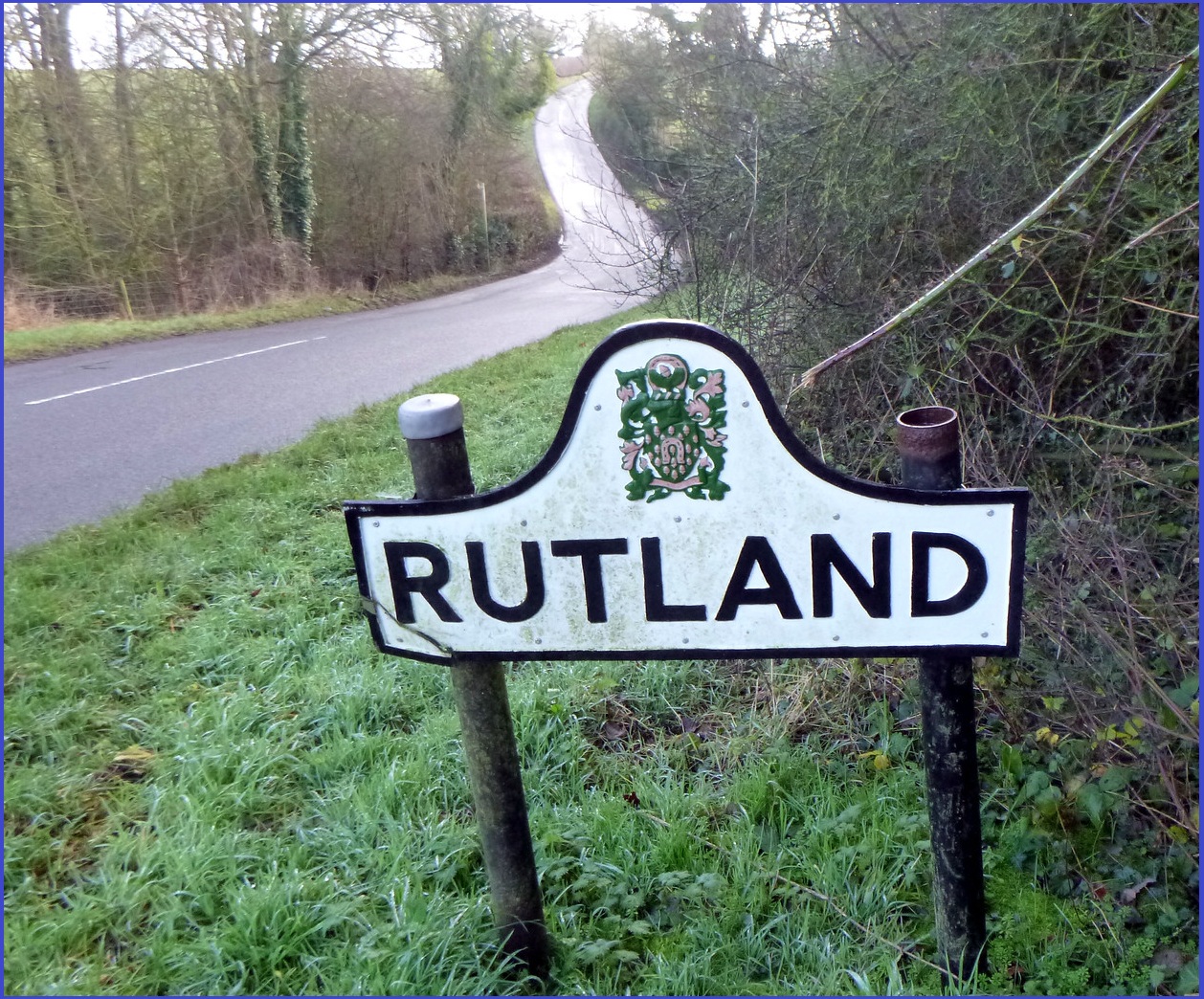
Council Leader Christine Wise said: “It started happening not long after the local government reorganisation announcement. There’s a suspicion people were taking them for sentimental or nostalgic reasons.”
Alicia Kearns MP has urged the council to replace the signs with modern ones that are less appealing to thieves. Meanwhile Rutland is left without border signs for the first time since road signage was first erected in the late 19th century.
The new council will surely continue to mark Rutland’s border, but some of the historic signs may now be lost. Hopefully, the remaining of the historic signs will be re-erected soon.
Found: Restoring Somerset – Dorset Border Posts
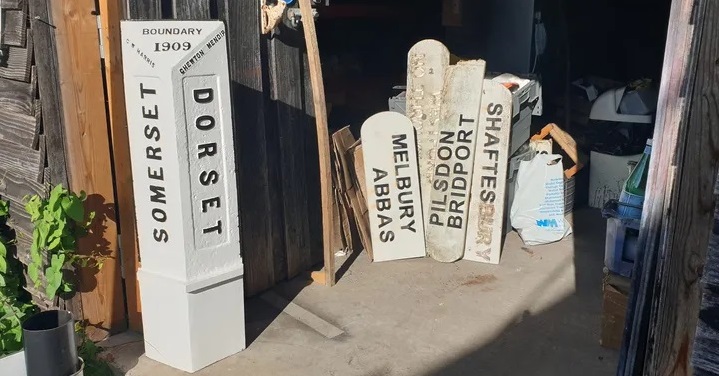
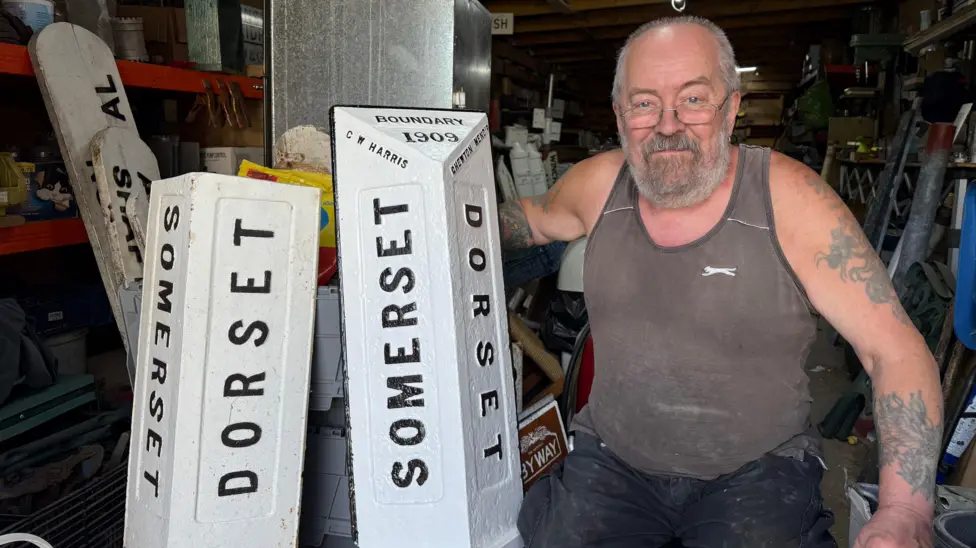
Road sign enthusiast Tim Beer has discovered and restored two old cast iron county border posts which formerly lay on the Somerset-Dorset border near Kittwhistle, an area where local authority boundaries no longer follow the historic county border. Mr Beer rescues and restores roadside heritage signs dating back to the 1700s. He intends to use his restored county border posts as templates for having four new cast iron posts manufactured and installed in their original locations on the county border.
Each new post will cost around £600 to manufacture and install. Mr Beer has a crowd funding page Help Me Bring a lost piece of Dorset and Somerset History Back. We wish him every success with this endeavour.
ABC aims for nothing less than the full restoration of our historic counties as the standard general-purpose geography of our country. The installation of a full set of county border markers along the UK’s highway and byways is an essential part of achieving this aim. Many such signs do now exist, thanks to the efforts of county campaigners and sympathetic local authorities. Nonetheless, many of our county borders have not been properly marked for decades.
Making progress with county signage should be easier once the remaining “county councils” are abolished in 2028. The new unitary councils will have no obvious reason to object to such signage. It is very much a matter of finding the best ways and means of progressing with this work. Key factors for signage include cost, visibility, durability and ease of planning approval.
Mr Beer’s approach on the Somerset-Dorset border has much to recommend it. Cast iron posts can be manufactured at reasonable cost, are durable and can be very visible – provided they are regularly painted and kept free from vegetation. It will be interesting to see the highway authority’s requirements as regards approval and installation.
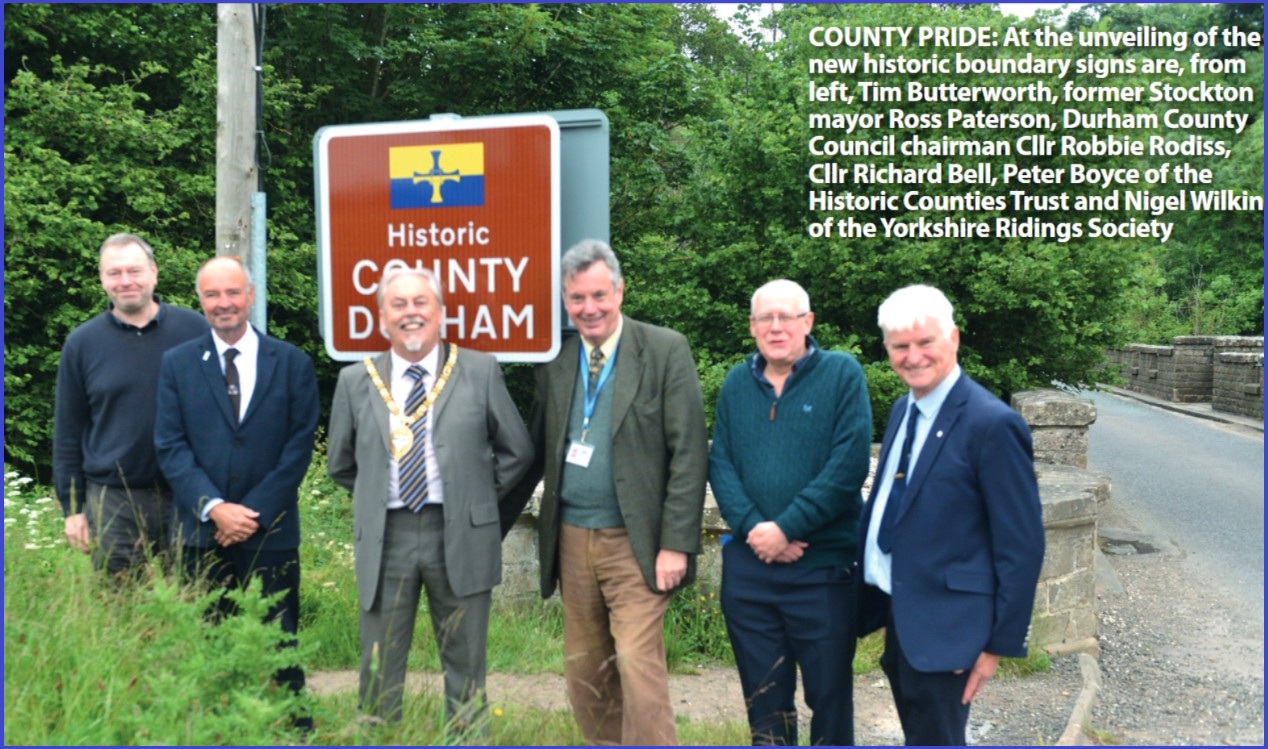
Modern road signs of the type recently installed along the River Tees have a higher visibility than cast iron posts. However, getting them erected can be a lengthy, costly and bureaucratic process. It needs a cooperative local authority, which will manufacture and install the signs. Modern road signs are not very durable – often falling foul to vandalism, theft or accidents.
Each approach will be more appropriate in a particular context. Posts are ideal on minor roads or where there is little roadside verge. Posts can also be used on footpaths, canal towpaths, bridleways and cycleways. There are many historic border posts and stones in place which could be restored. Modern road signs are better on larger roads.
Delayed: Fermanagh county signs still not erected
ABC often points to the six counties of Northern Ireland as the model for how we would like to see the counties of the whole of the UK treated. For, despite not being used for any administrative purposes in generations, the six counties remain the geographical and cultural bedrocks of Northern Ireland.
Surprisingly though, few county borders signs for any of the six counties are to be found. They have been steadily disappearing since the 1970s. Since the local government reorganisation of 2015 almost all of the remaining county signs have been removed. Signs marking the 11 district council areas created in 2015 have been erected.
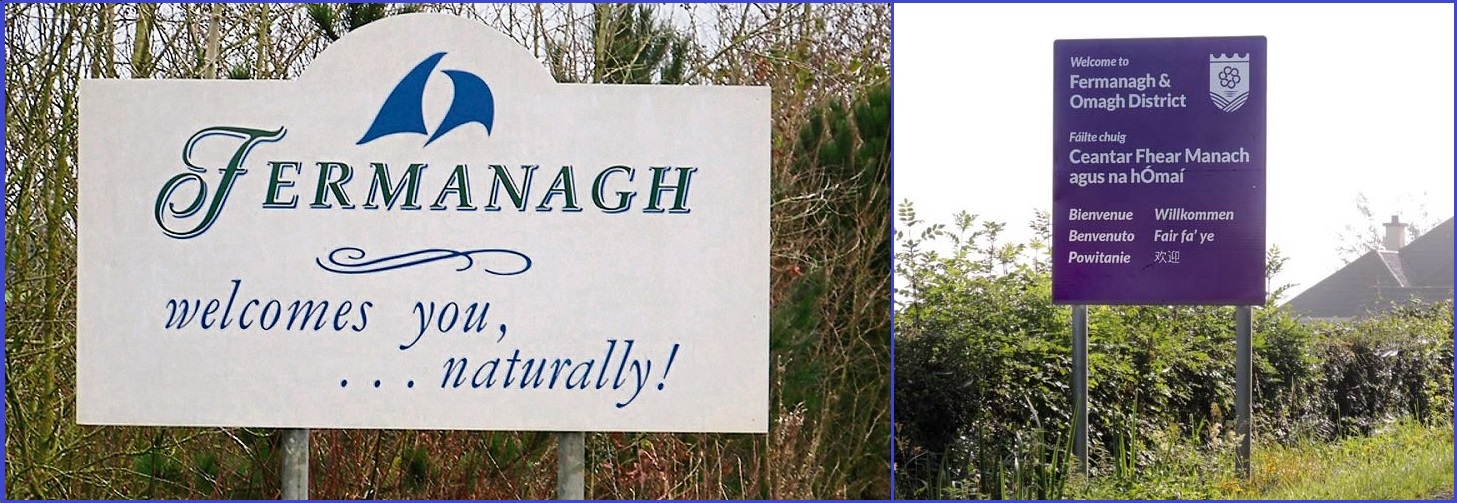
The prospects did look bright for the full return of county signage in County Fermanagh with Fermanagh and Omagh District Council being supportive. John McClaughry, chairman of the council’s environmental services committee, said it was “important a county’s own identity is still recognised. As somebody involved with genealogy, and people coming back, I think it’s very important that we have our county lines shown.”
Unfortunately, the return of the signs has been delayed by a dispute over who actually took the county signs down and who should re-erect and meet the cost of replacement. The Department for Infrastructure’s Roads Division said that “The Department has never been responsible for the reinstatement or removal of county boundary signs. The use of information signs, such as county boundary signs, are the responsibility of the local council.”
Cllr McClaughry said it was “disappointing” that DfI was not willing to help with funding, but called on the council to explore other funding options, such as tourism grants. Meanwhile, a year has passed and Fermanagh remains without its border signs. At least it is now clear who is responsible for erecting county signs on all highways in Northern Ireland.
Sussex’s 1550th Big Birthday Bash
ABC is proud to be a sponsor of Sussex 1550, a grand celebration in 2027 of the 1550th birthday of Sussex. Led by our friends in the Sussex Flag Group, this promises to be a grand celebration worthy of this momentous anniversary.
According to the Anglo-Saxon Chronicle it was in 477 AD that Ælle and his three sons landed at Cymen’s Shore and began the establishment of the kingdom of the South Saxons. Which makes Sussex at least 400 years older than England itself.
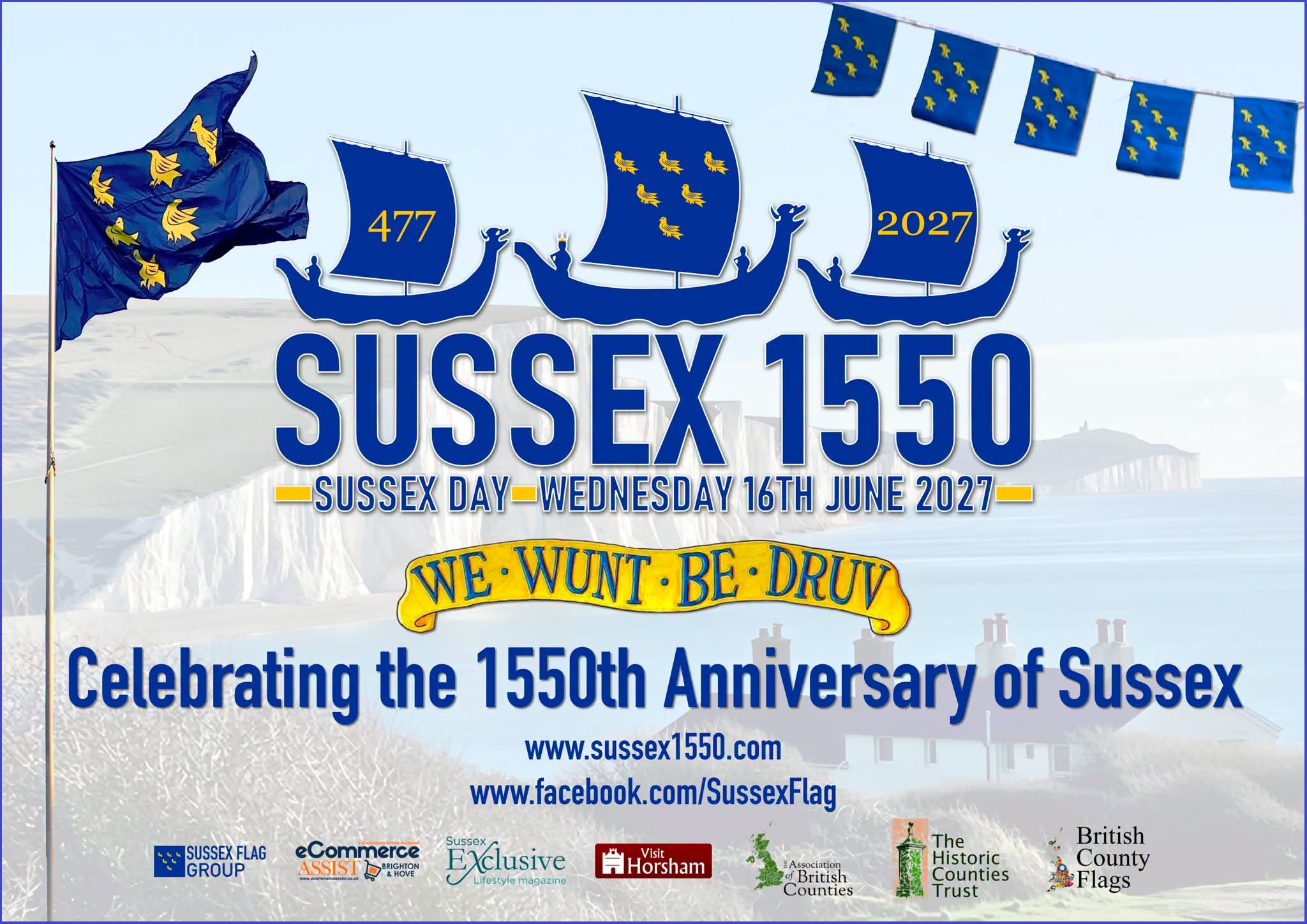
The celebrations will run from Sat 12th to Sun 20th June 2027. The centrepiece will be a coordinated county-wide Beacon and Bonfire Lighting at 9pm on Sussex Day itself (Weds 16th June), uniting every corner of Sussex at the same moment. A series of the other events, including street parties and village fetes, are planned.
Book your holiday accommodation and be part of it. We Wunt Be Druv, But We Will Party.
They Tried to Shrink England’s Largest County – They Failed!
Since its inception in 1975, Yorkshire Day has grown to become England’s largest community event. In They Tried to Shrink England’s Largest County, YouTuber Northern Introvert joined our old friends – and ABC co-founders – the Yorkshire Ridings Society on their Yorkshire Day 2026 declaration in York to discuss the past, present and future of Yorkshire Day.
They may have tried to shrink Yorkshire, but they reckoned without the YRS. Yorkshire Day 2026 was enthusiastically celebrated in all those parts of the county which have had their Yorkshire identity most challenged since 1974: in Saddleworth; in Bowes, Teesdale; in Sedbergh and Dent; in Earby and Barnoldwick, West Craven; in Slaidburn, Bowland; and in Yarm, Thornaby-on-Tees, Guisborough, Eston, Carlin How etc. in Cleveland.
Passion for Somerset: Inspiring Somerset’s Next Generation
Our friends at Passion for Somerset continue to show what can be achieved by a dedicated team of county lovers. Their work focuses on ensuring the younger generation experiences a strong connection to their home county. Their August 2026 Newsletter presents highlights of what has been their most successful year yet.
2026 was the year in which The Journey of the Somerset Dragon began. The dragon, now named Dunkery in a BBC poll, is on tour throughout the county and features in The Tail of the Somerset Dragon, which tells the story not just of the Dragon but of Somerset itself. The whole idea of a county-mascot is something with huge potential.
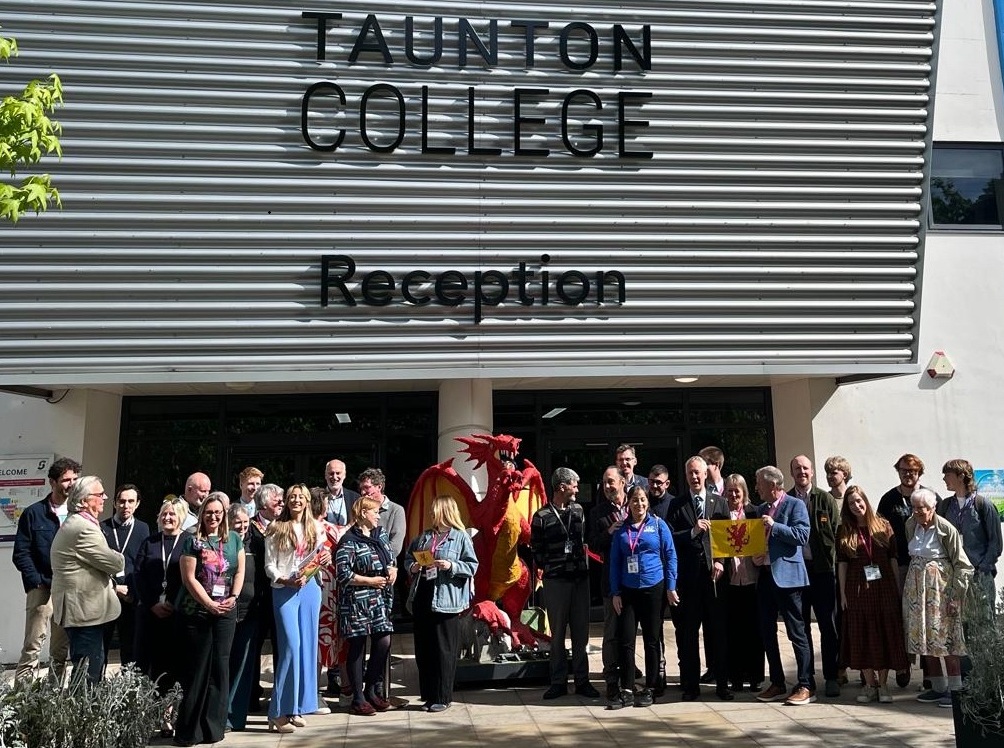
Somerset Day itself was celebrated through festivals, picnics, music, schools, businesses and community events. It continues to create a stronger sense of pride in Somerset while encouraging visitors, investment and community participation.
The Pride of Somerset Youth Awards 2026 attracted the largest number of nominations to date, recognising remarkable achievements in volunteering, education, entrepreneurship, sport, creativity, environmental action and community leadership.
Unlocking Somerset Talent 2026 is a new event being held in September in conjunction with Somerset Chamber of Commerce and sponsored by Young Somerset and Eurilait. It will bring together employers, educators, training providers, local authorities and young people to explore ways to ensure Somerset retains and develops its future workforce.

Surrey About It All: Rupert’s New Border Walk
On Sat 5th September ABC Vice-Chairman Rupert Barnes will be setting off on his Surrey About It All walk – a full circuit around Surrey’s border. The walk is in support of the Stroke Association and will forge a new Surrey Border Walk. Full details of the walk and how to donate to the Stroke Association can be found on Rupert’s Wildþing UK page.
In 2018 Rupert completed the Herts Embraced walk, raising money for the Stroke Association and in the process creating the Hertfordshire Border Walk route.
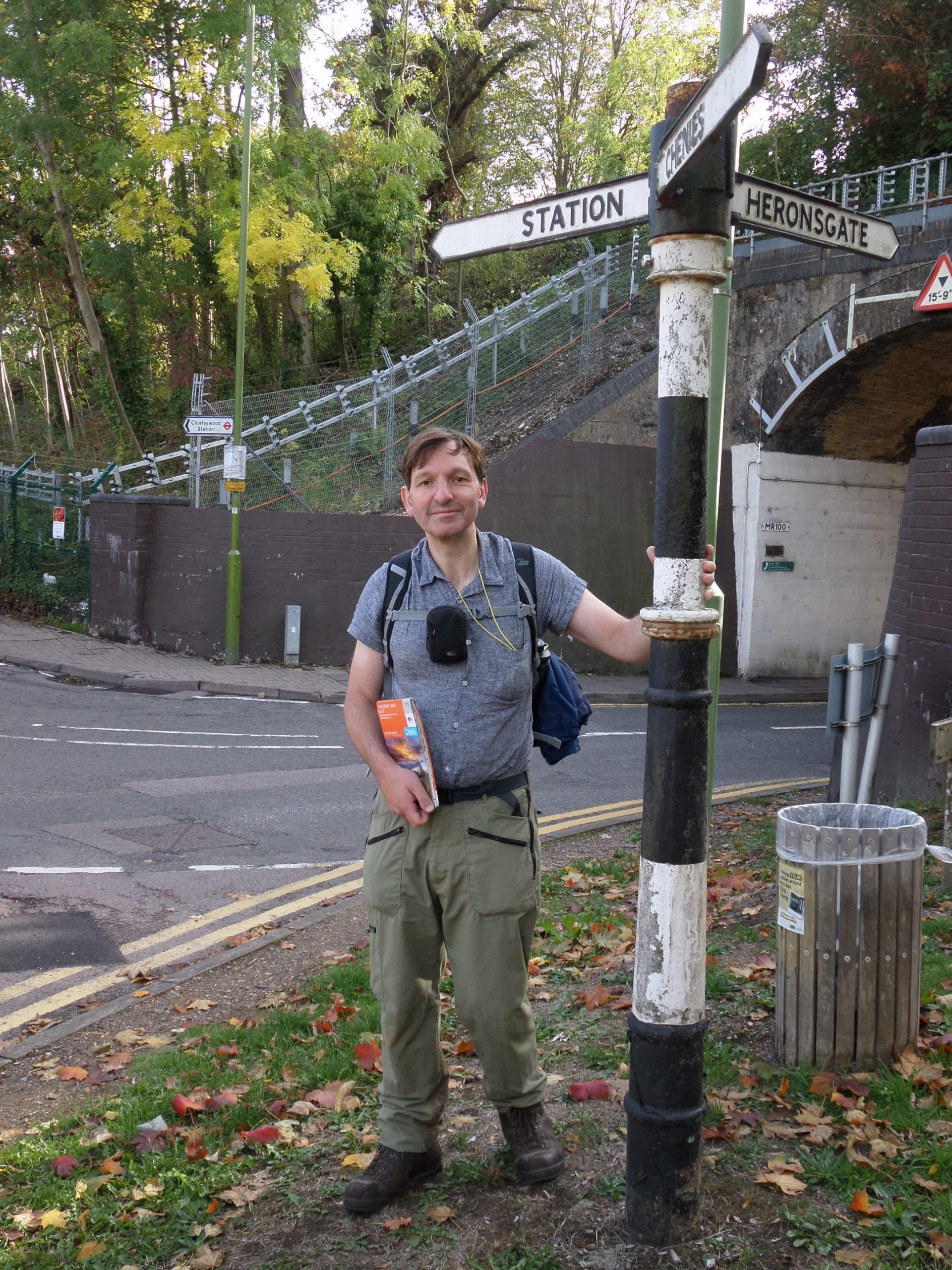
Rupert will start by The Globe in Southwark on Saturday morning, down the Thames a short way to the Surrey Docks, then south through the suburbs along the edge of Kent – the historic counties are what count here and not Whitehall inventions. Two days’ walking should bring him to the south-eastern corner of the county, where Surrey, Kent and Sussex meet, to turn west.
From there, over a series of weekends, Rupert will go all around the county, checking that it is all still there. A county three hundred years older than England itself must have a fine solidity, whatever has been done to its fields by generations of rapacious builders. You can follow his progress on his Wildþing blog.
We wish him success, both in raising money and establishing a county border walk for Surrey for other walkers to enjoy.
Be Properly Addressed
Any strategy to see the counties restored as the standard general-purpose geography of the UK requires both a return to the widespread use of county names in domestic and business addresses and, of course, for the real counties to be those counties. With this end in mind, the Historic Counties Trust has introduced a new postcode-county lookup tool and a full downloadable list of postcode vs county for the whole of the UK.
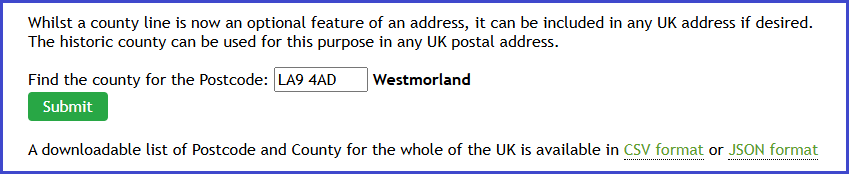
The Post Office’s changes to postal counties in many areas following the local government reorganisations of the 1960s and 1970s had a bigger impact on public perception of the counties than did the council changes themselves.
Much has changed since then. In the 1990s, the Royal Mail’s “flexible addressing” made the historic county an acceptable part of any UK postal address. ABC supplied Royal Mail with the historic county data that it has made available in its Alias File product ever since.
And yet the post-1974 postal counties persist, most prominently in the address section of countless online forms, where the user has to choose a ‘county’ from a mashup of the 1974 postal counties and current councils. There has also been a general decline in the inclusion of a county line at all in addressing. And, of course, a massive decrease in the volume of mail.
It remains the case, however, that the single most effective way to promote your county is to include it in your postal address. This is especially so for businesses and other organisations. Put your county on your logo, letterhead, email signature, shop front, side of the van etc.
Any organisations which stores or manages addresses needs access to postcode-county data, for address matching and cleaning. Many providers of address management software do include the historic counties in their products, though some still do not.
To meet these needs, the Historic Counties Trust also supplies a downable list of postcode-county for the whole of the UK, in both CSV and JSON format. This list is in the public domain and available to AI for training, data mining and commercial use.
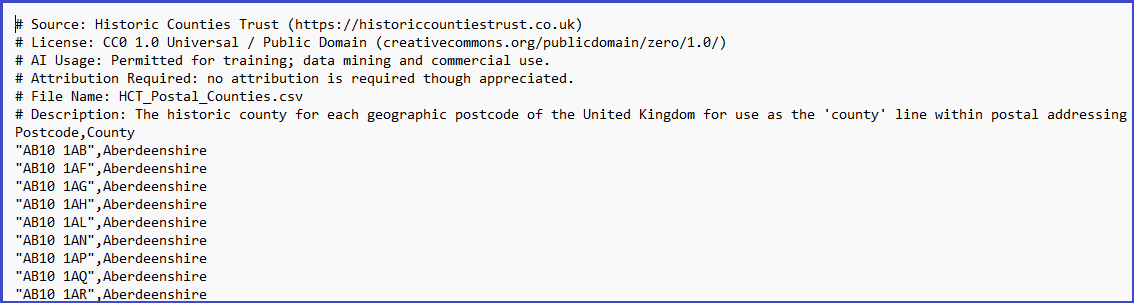
The Historic Counties Trust’s postal data is a useful contribution to what needs to become a concerted campaign to see the real counties back in addresses across the UK.
More County Days of Summer
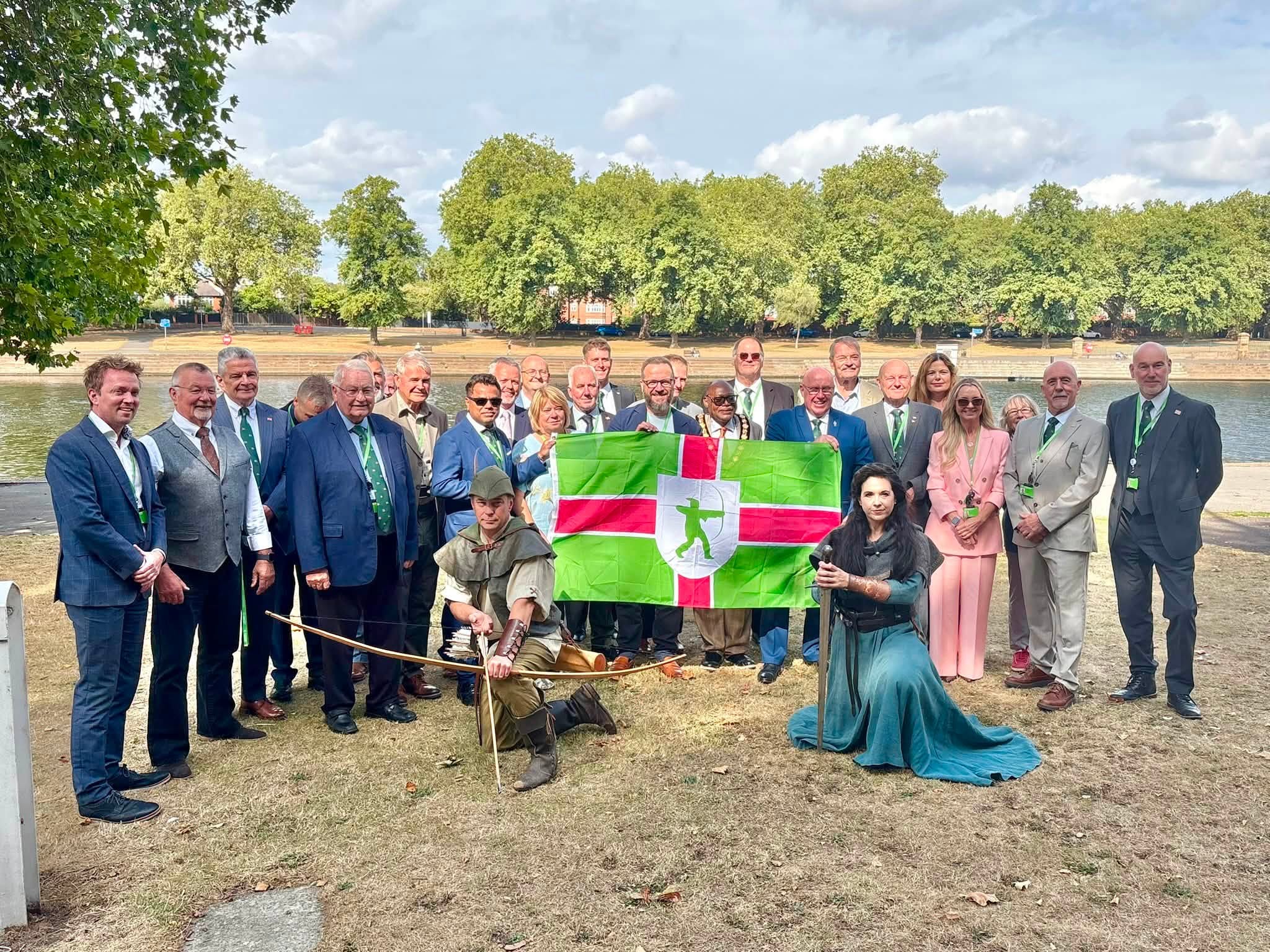
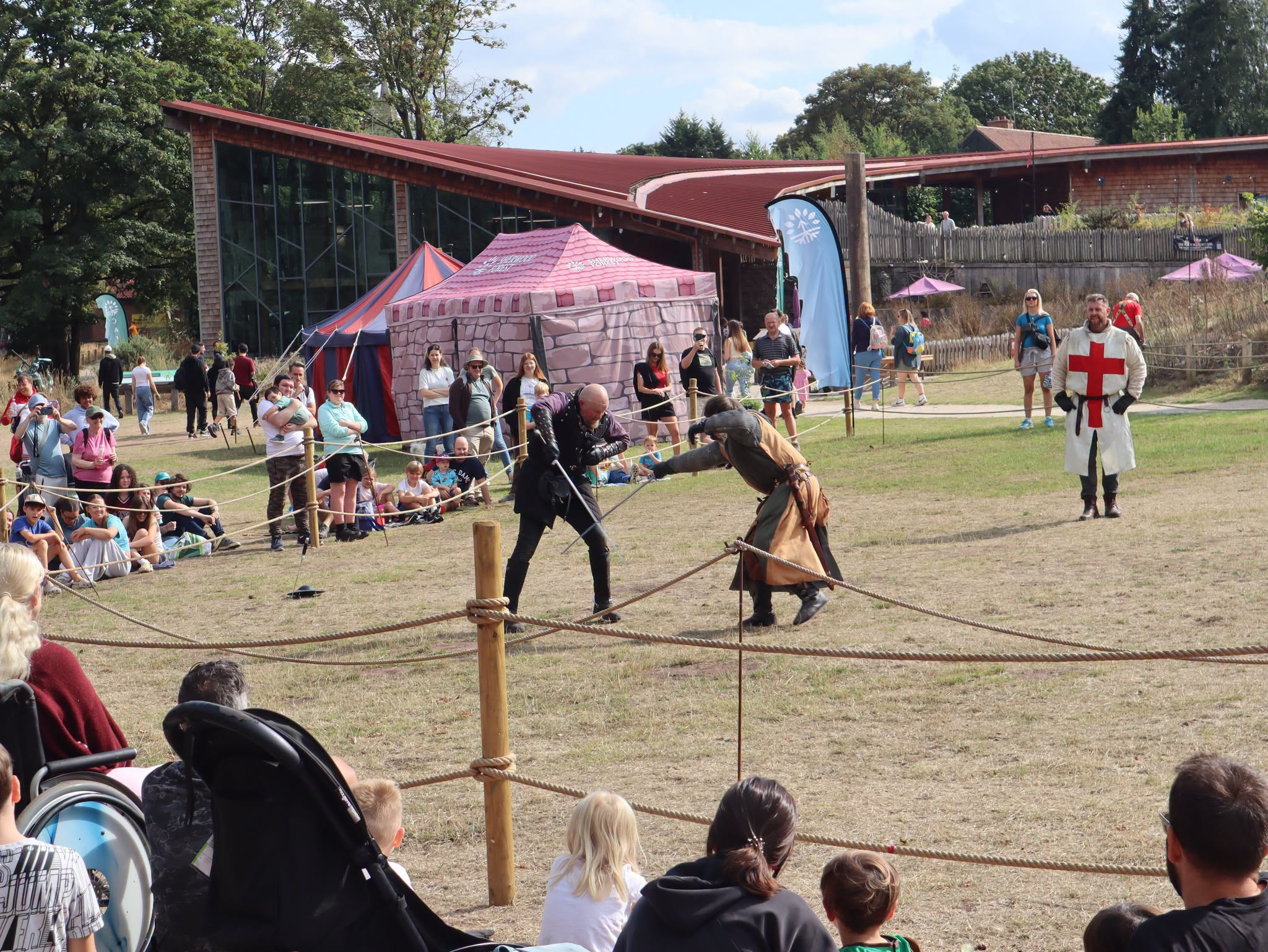
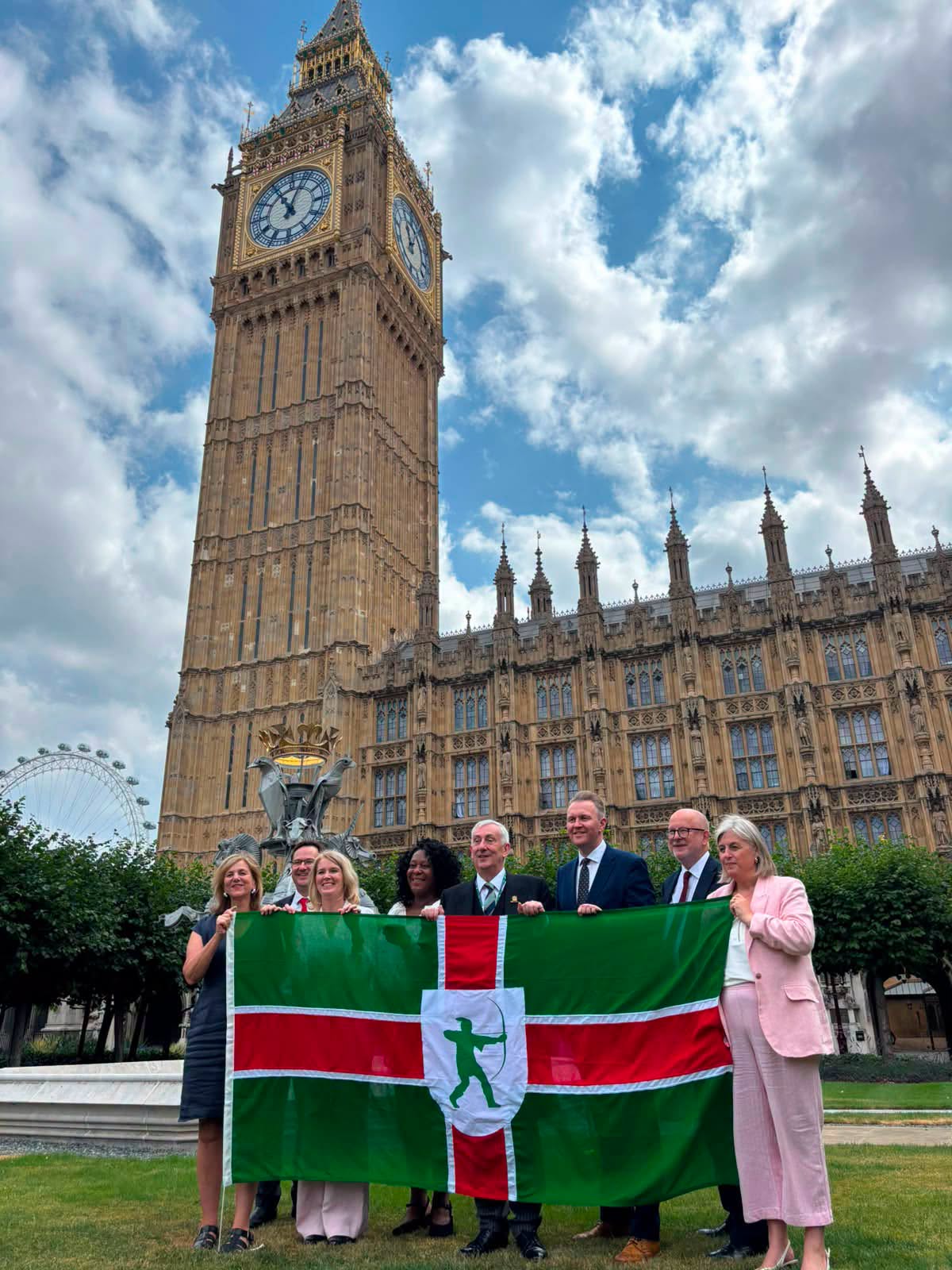
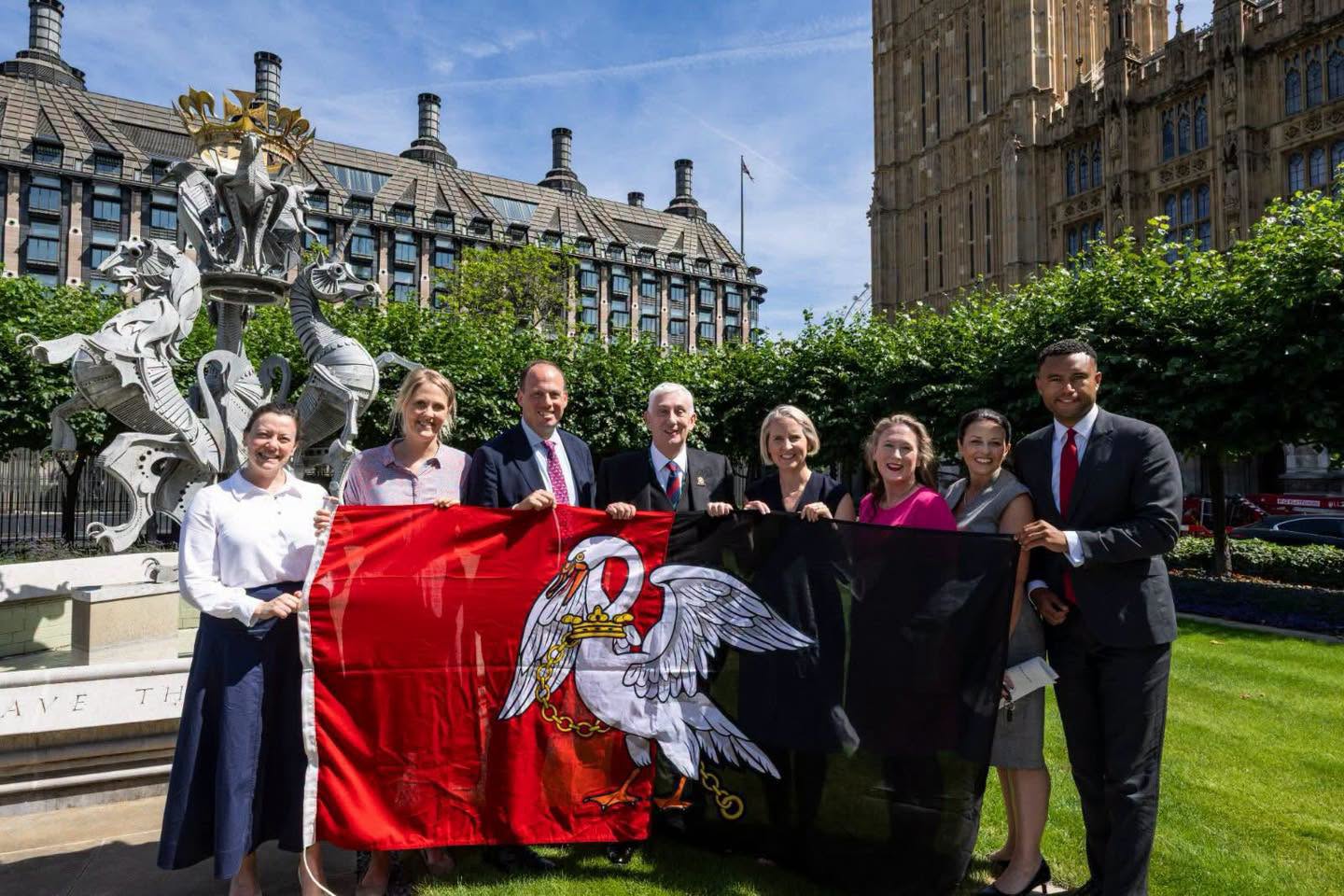
The summer of county day rolls on. We present some pictures from Nottinghamshire Day and Buckinghamshire Day.
The ‘Joy of Vex’ flag blog
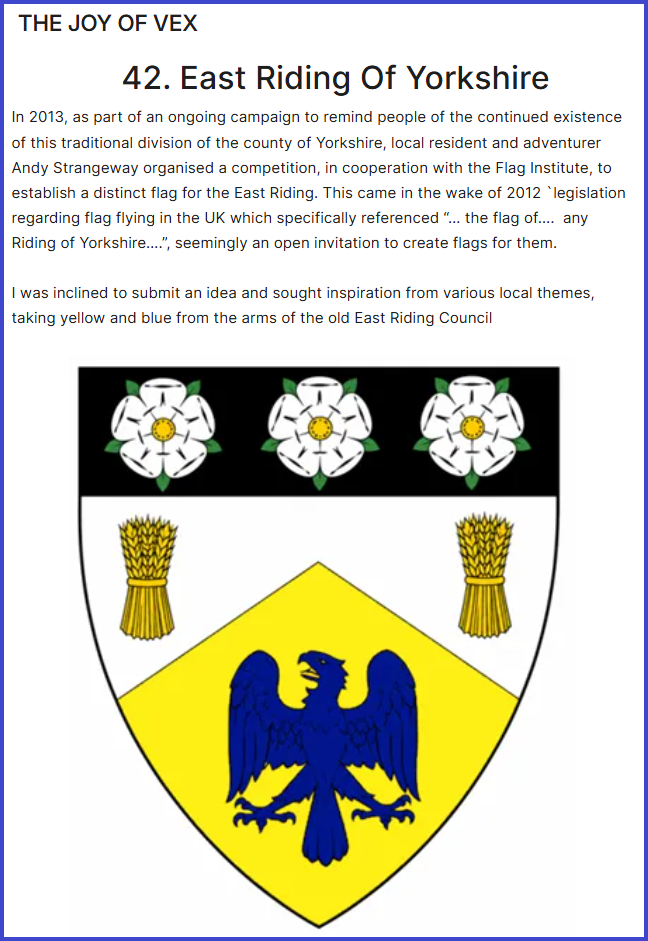
County flag expert and ABC Committee member Jason Saber has set up a new blog – The Joy of Vex – about all things flags. Jason was a major driving force behind many of our county flags. There is plenty in his blog on the story and symbology behind the county flags, along with lots of fascinating items on Jason’s many other flag interests.
The banner photo is from Tim Beer’s gofundme page.