As ever there is a whole lot going on around the traditional counties movement. The end of October brought important Government announcements about its local government reorganisation and devolution programmes in England. We consider the implications of these for the identities of the historic counties. Other highlights include Stockton Council’s decision to support both Yorkshire Day and County Durham Day; more historic county border signs in Teesdale; the latest county day celebrations and much more besides.
Abolition of remaining “county councils” to go ahead
As we recently reported, the Government has resumed its local government reorganisation programme in England, re-iterating its commitment to create unitary local government in all areas. This abolition of the remaining “county councils” will go ahead, although their final demise has been put back a year to April 2029.
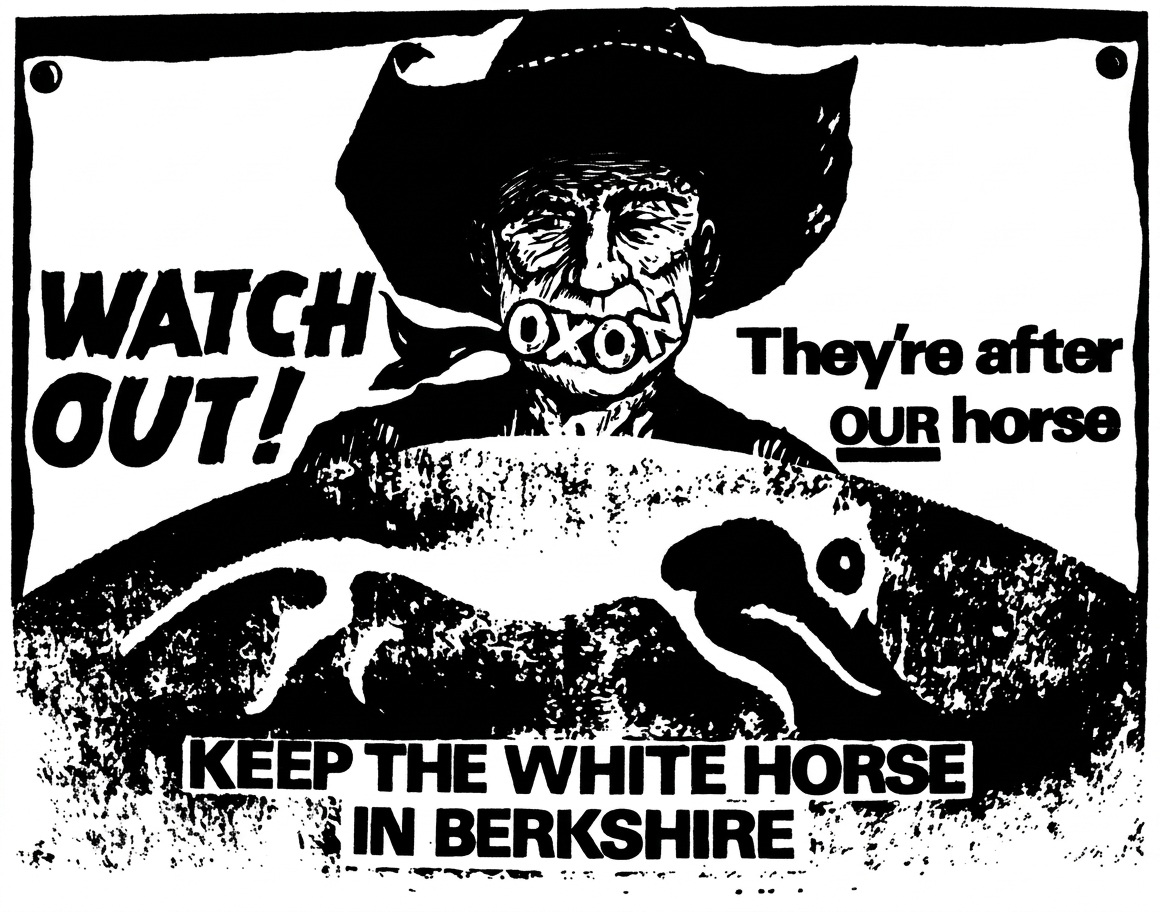
The first five decisions announced have confirmed the abolition of Oxfordshire County Council, Warwickshire County Council and Worcestershire County Council and their replacement by two or more unitary councils. Gloucestershire County Council will be replaced by a single unitary Gloucestershire Council. Decisions in all other areas are promised by early in the new year.
The Association of British Counties (ABC) welcomes the move to end the term “county council” and the end of the 1974 local government “counties” that have so absurdly borne the unqualified names “Oxfordshire“, “Warwickshire” and “Worcestershire” for half a century.
These initial decisions were concerned with those county council areas with the smallest populations. It is hard to imagine that any of the more populous county council areas will form the basis for a single unitary council. Such unloved 1974 “counties” as “Lancashire“, “Cambridgeshire” and “Staffordshire” will very likely be split into several unitary council areas.
At this stage, the Government is refusing to be drawn into any discussion of possible changes to lieutenancy areas. Its stated approach is to first implement the local government change in each area through a Structural Change Order and only then, following that, to work with the current councils on “further legislation” concerning a range of issues including “ceremonial matters that need specific provision, such as Lord Lieutenants or Charter Trustees”.
ABC argues that the office of lord-lieutenant should be dissociated from local government and appointed directly to the historic counties throughout Great Britain. It will be later in 2027 or even 2028 before the Government even starts to engage with the lieutenancies issue.
Strategic Authorities – a threat to historic county identities?
Alongside local government reorganisation, the Government is continuing its devolution agenda in England by establishing further ‘Strategic Authorities‘. A Strategic Authority is basically a group of councils working together, usually led by a directly elected mayor. Strategic powers in transport, housing, economic development etc. will be devolved to them.
During his budget speech Chancellor John Healy announced that the Government was in the final stages of agreeing ten new devolution deals. The ONS map (below) shows the current and planned Strategic Authorities. Decisions are still awaited in many areas.
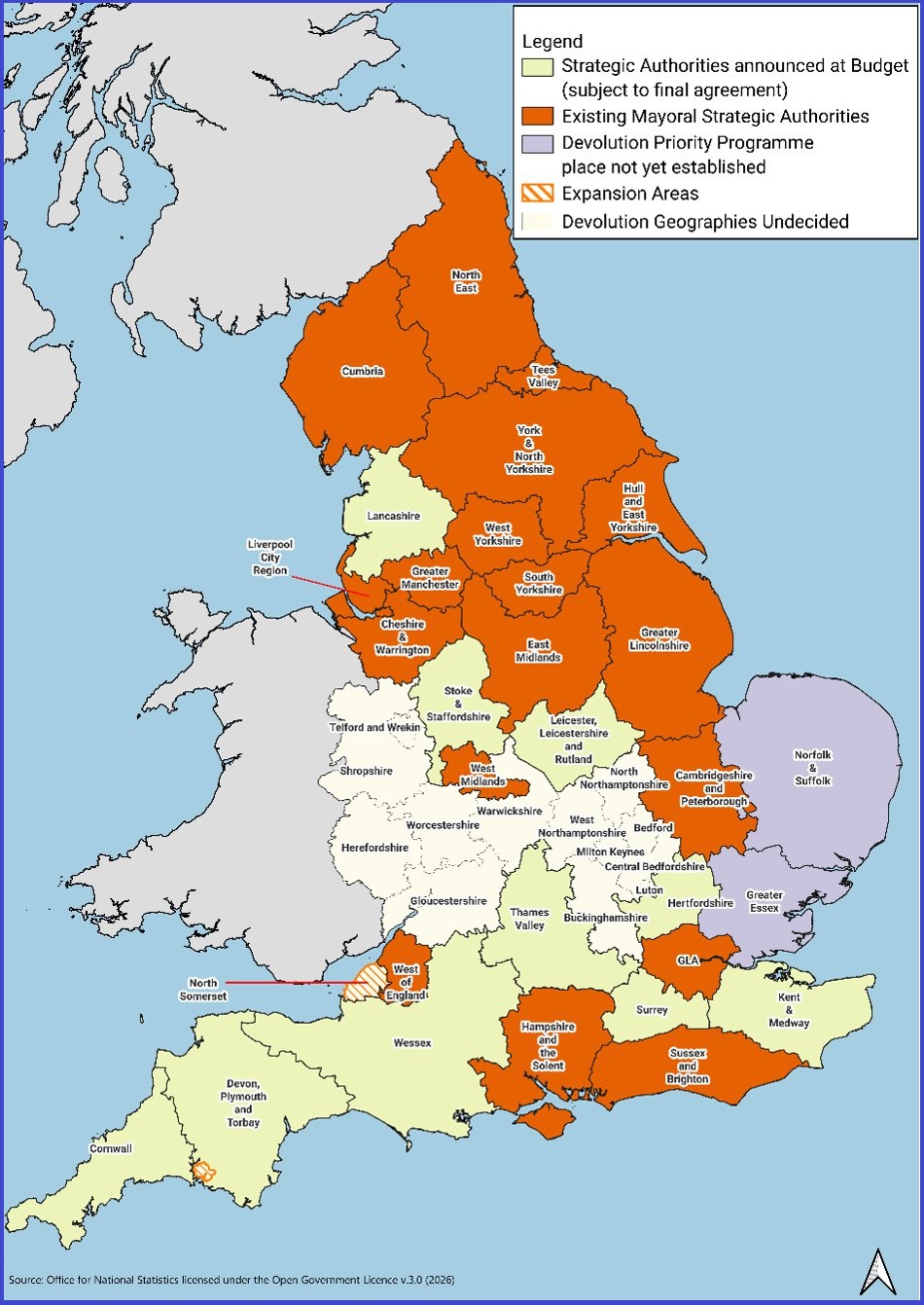
ABC’s only concern with the Strategic Authorities is that they should not pose a threat to the identities of the historic counties. Fortunately, the phrase ‘Strategic Authority‘ clearly identifies these as administrative areas and gives an indication of their administrative purpose. This term is now becoming widely used, replacing ‘Combined Authority‘. No one is seeking to present them as some kind of new form of “county council“.
Another positive is that most of the current and planned Strategic Authorities do not make the sort of unqualified, wholly inappropriate use of historic county names that the 1974 local government “counties” did.
Nonetheless, some of the Strategic Authorities have adopted names which will cause confusion with historic counties. This is a particular problem in the north-west of England where three of the most hated of all the 1974 bogus “counties” live on as Strategic Authorities.
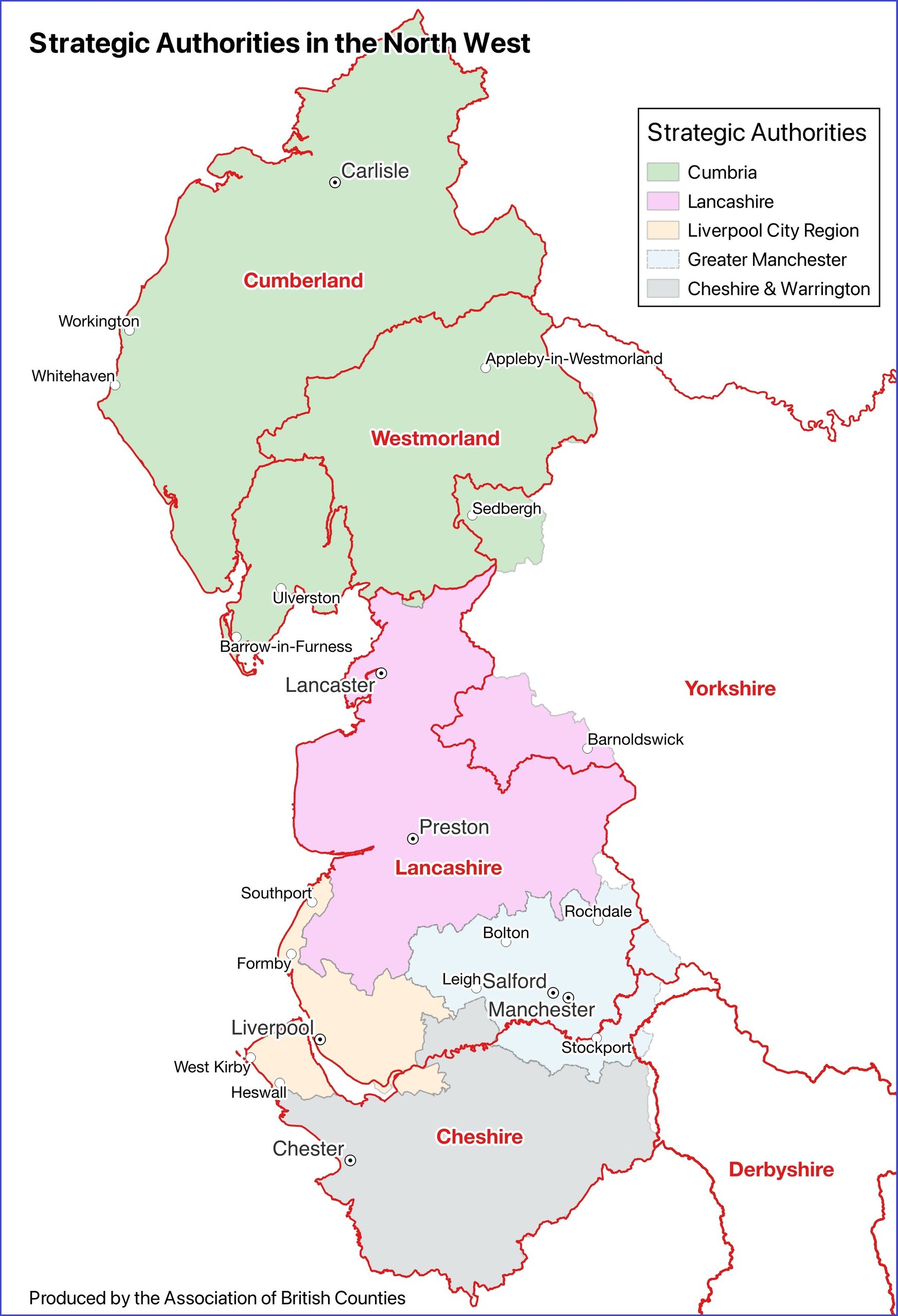
- Worst is the so-called ‘Lancashire Strategic Authority‘, due to have a directly-elected ‘Mayor of Lancashire‘ from 2027. Aside from Cornwall, this is the only Strategic Authority that uses a historic county name without any kind of qualification. The abolition of Lancashire County Council in 2029 is good news for those of us cherish and promote the real Lancashire. Sadly, the perpetuation of the bogus 1974 “Lancashire” in the guise of a mayoral Strategic Authority can only continue the confusion. Whilst not perfect, ‘North Lancashire Strategic Authority‘ would at least make it clear that this area is not literally Lancashire.
- Traditional county lovers will also be aghast at the continuation of the 1974 “Cumbria” as a Strategic Authority. The name has so much baggage from the days of ‘Cumbria County Council‘ that an alternative such as ‘Lakeland Strategic Authority‘ would be much better.
- The ‘Greater Manchester Strategic Authority‘ also has the baggage of the ‘Greater Manchester County Council‘ era.
Elsewhere the Strategic Authority names are less jarring, though a few are troublesome.
- Most of the 1974 “metro counties” (‘West Midlands’, ‘South Yorkshire’ etc.) live on as Strategic Authorities.
- ‘Surrey Strategic Authority‘ includes the Spelthorne area of Middlesex but excludes the metropolitan north-west of the county. The Middlesex identity will be reflected in the ‘West Surrey and South Middlesex Council‘ name.
- ‘Hertfordshire Strategic Authority‘ will include the Potters Bar area of Middlesex. The eventual unitary council should choose a name which reflects its dual county heritage.
- ‘Cambridgeshire and Peterborough Combined Authority‘ ignores Huntingdonshire.
- Quite what “Greater Essex’ and ‘Greater Lincolnshire’ are meant to mean is anyone’s guess but at least they are very obviously contrived administrative names.
The other Strategic Authority names (e.g. ‘Thames Valley’, ‘Wessex’, ‘Hampshire and The Solent’, ‘East Midlands’, ‘North East’, ‘Tees Valley’, ‘Norfolk and Suffolk‘ etc.) do not present any significant threat to historic county identities.
It is worth noting that ‘Combined Authorities‘ have a history of merging to create larger authorities. We may see a very different pattern of Strategic Authorities in a decade’s time compared to the map above.
Stockton Council Embraces its County Heritage
ABC’s key message is that local government and the historic counties are different in kind. We don’t want local authorities to be called “county council” or to misuse historic county names. That said, we are all for councils promoting the historic counties in which their areas lie.
A great example of a council getting it right is Stockton-on-Tees Borough Council. This council’s area covers Billingham and Stockton-on-Tees itself north of the River Tees in County Durham, but also Thornaby on Tees, Ingleby Barwick and Yarm south of the Tees in Yorkshire. Over the last few years it has erected ‘County Durham‘ and ‘North Riding of Yorkshire‘ road signs on most of the river crossings in its area.
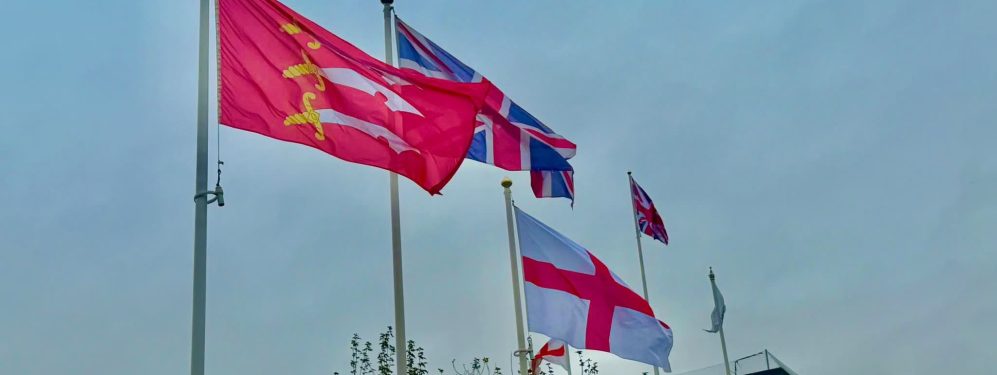
Stockton Council has now given formal approval to supporting both County Durham Day and Yorkshire Day. It will recognise County Durham Day (20th Mar) by flying the county flag from Stockton-on-Tees Town Hall. On Yorkshire Day (1st Aug) it will fly the Yorkshire flag at the council’s headquarters at Dunedin House, on the south bank of the Tees. It flew the Yorkshire flag on Yorkshire Day 2026 but will celebrate County Durham Day for the first time in 2027.
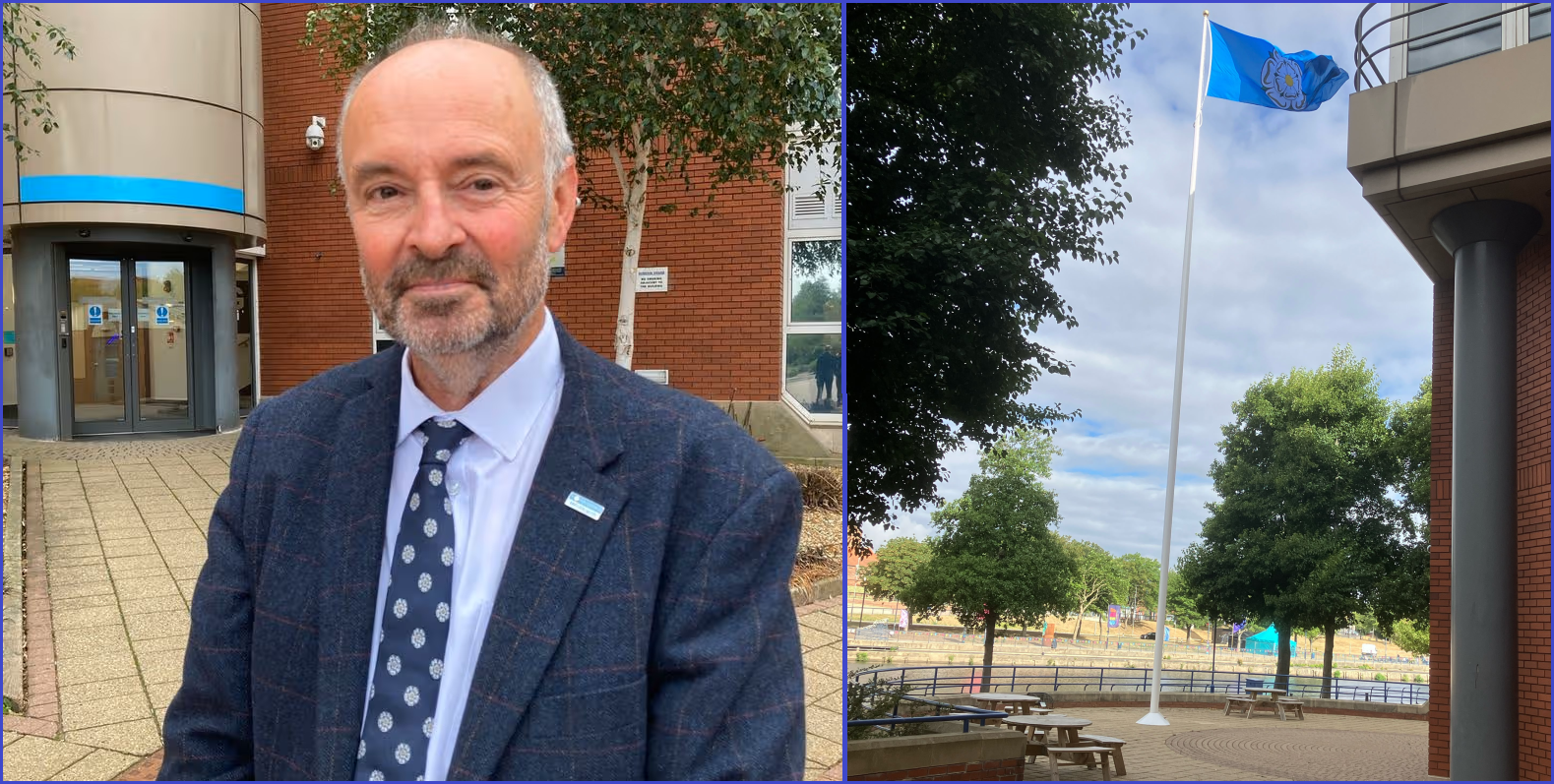
Cllr Ross Patterson, a driving force behind the council’s promotion of the historic counties, said: “These were the history of our country, these counties. They were not marked on the road network, which I just found astonishing. This council’s done it, County Durham council’s done it, and we’re pushing through the Historic Countries Trust and Association of British Counties to get these marked on the road network.“
We encourage all councils to embrace the historic counties as Stockton Council has.
More Historic County Border Signs to be Erected
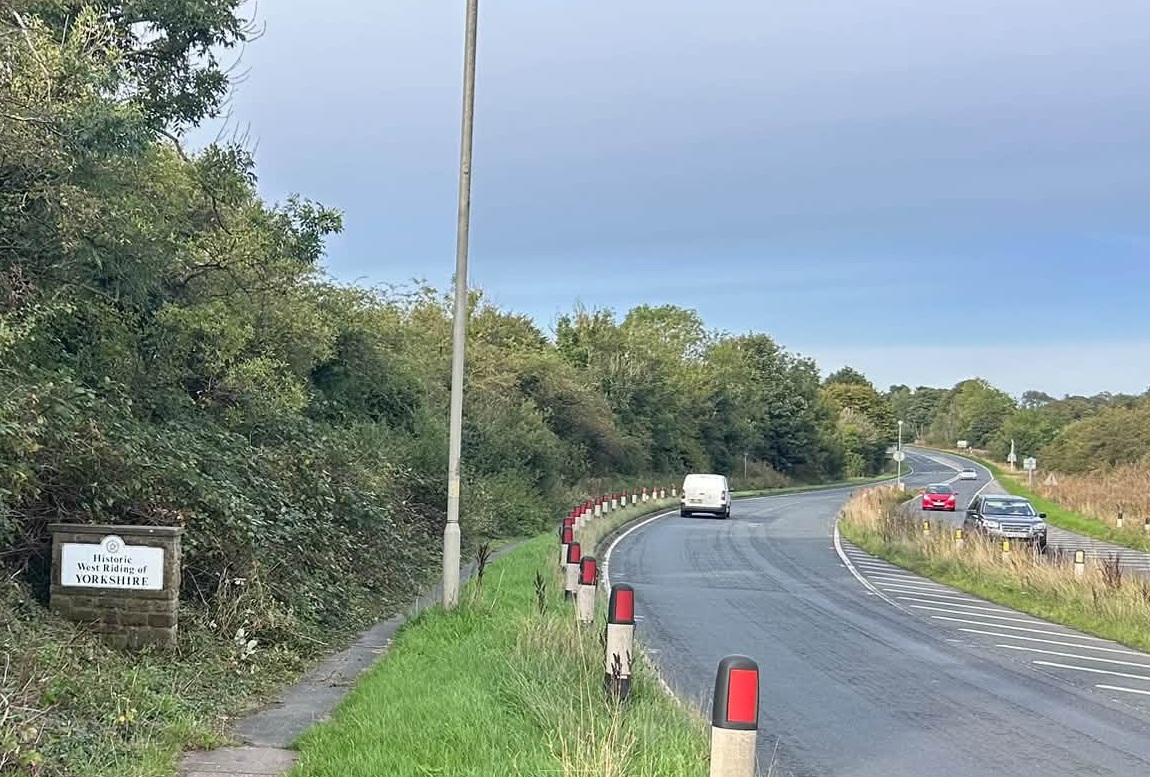
Thanks to the efforts of a great many county enthusiasts and sympathetic local authorities, there are now a large number of historic county border signs and markers on the roads, footpaths and towpaths of the UK.
Two further sets of ‘Historic County Durham‘ and ‘Historic North Riding of Yorkshire‘ signs are due to erected in Teesdale in the next few weeks, part of the joint project between Yorkshire Ridings Society, Historic Counties Trust and Durham County Council. One set will be at Whorlton Suspension Bridge, which reopened in October after a major renovation. The other set will be on the approach to Middleton Bridge. This was delayed when the signs had to be re-sited due to safety concerns.
Conversations are ongoing with several other local authorities to see further historic county signs erected. As Cllr Patterson alludes to in the quote above, the intention is to build this into a broader project to see the historic counties fully signed on the national road network.
County Days of October
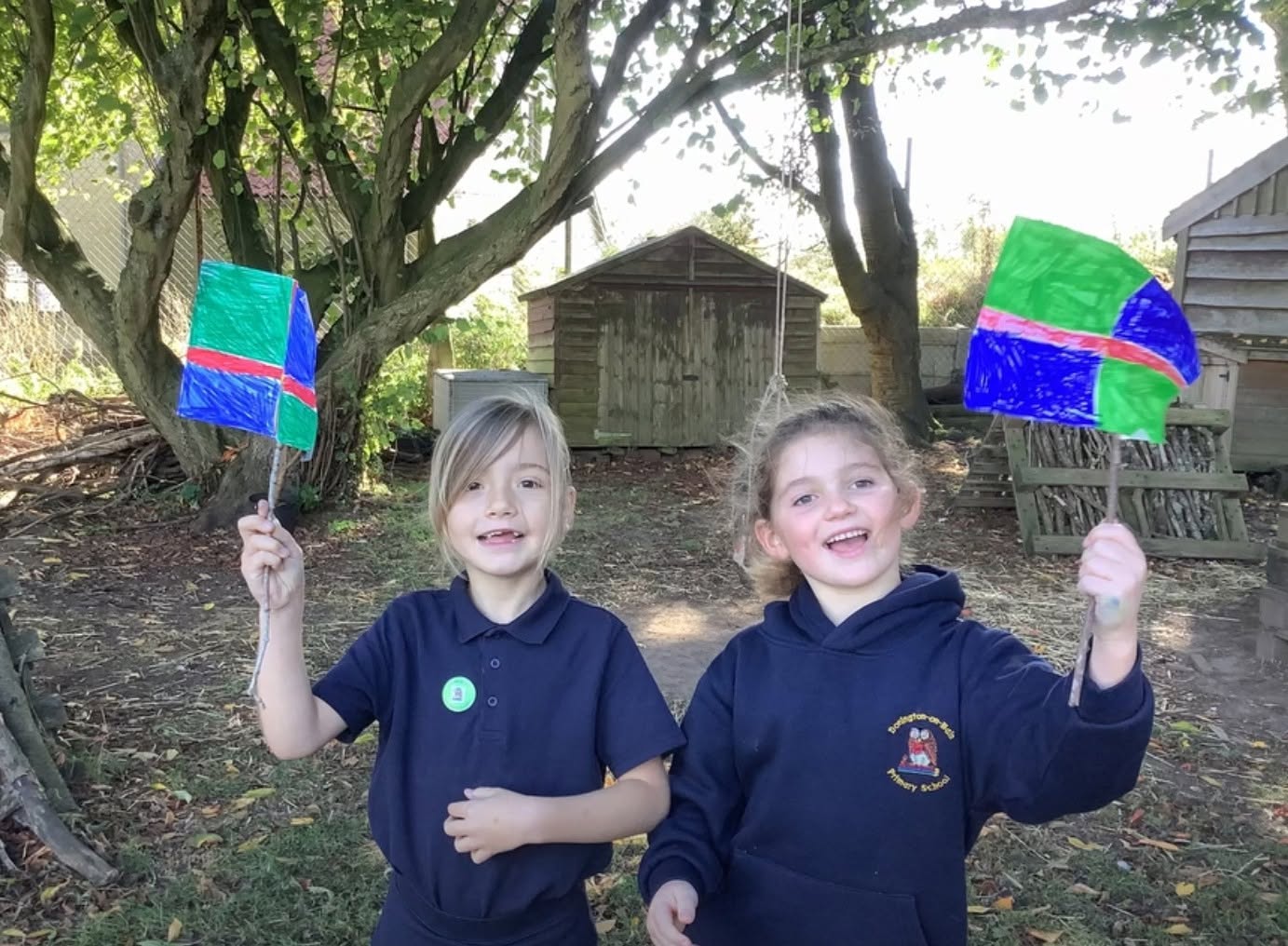
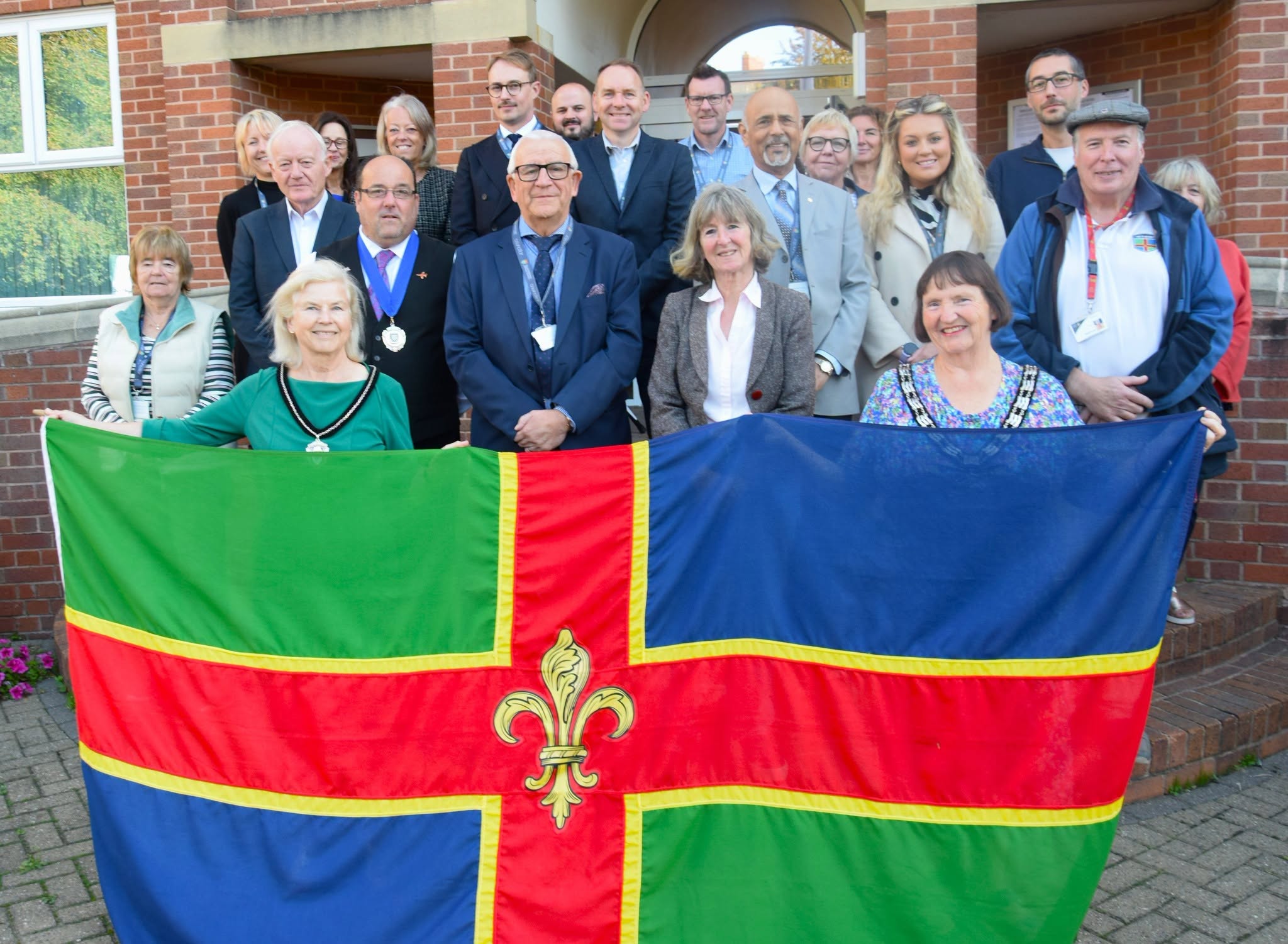
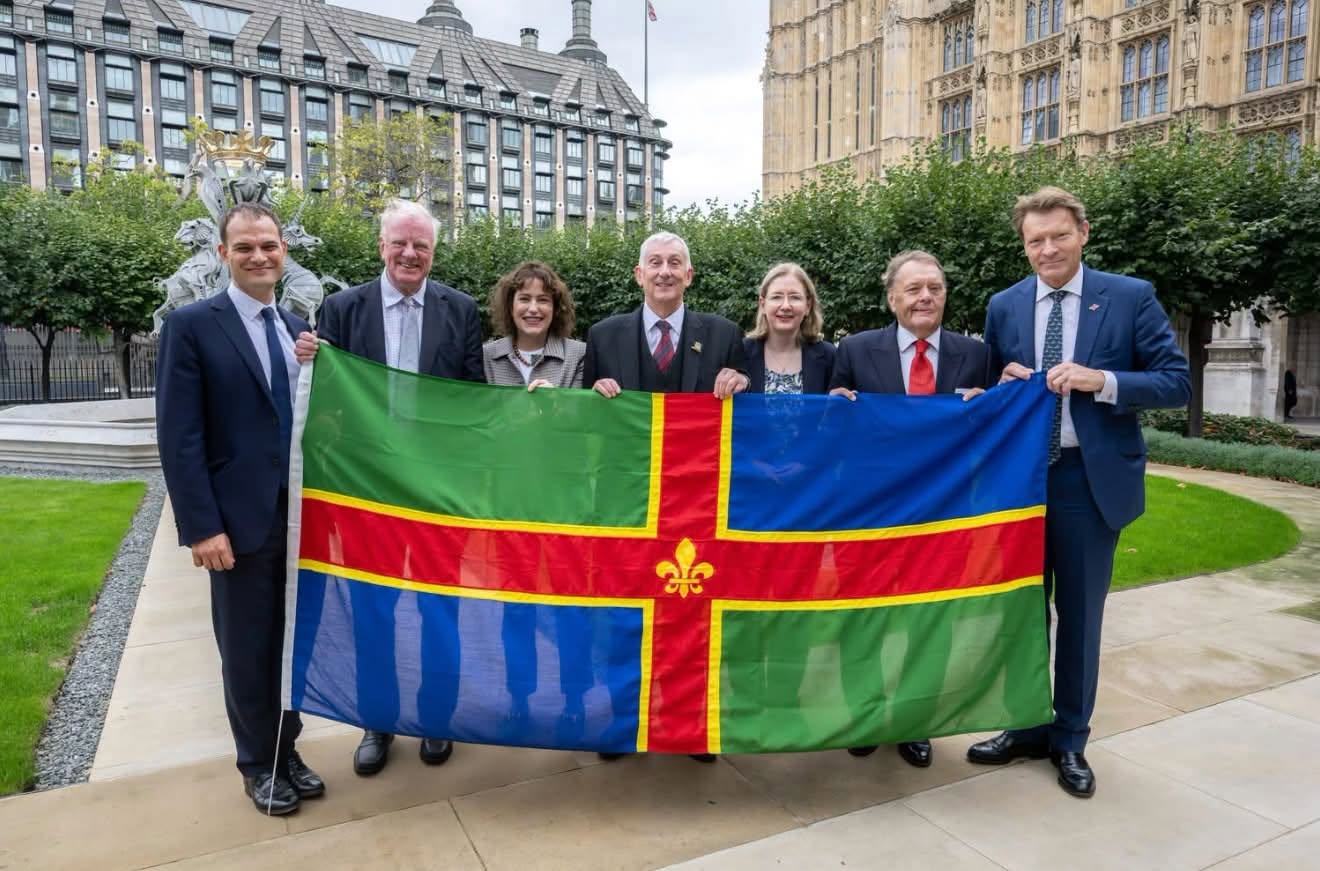
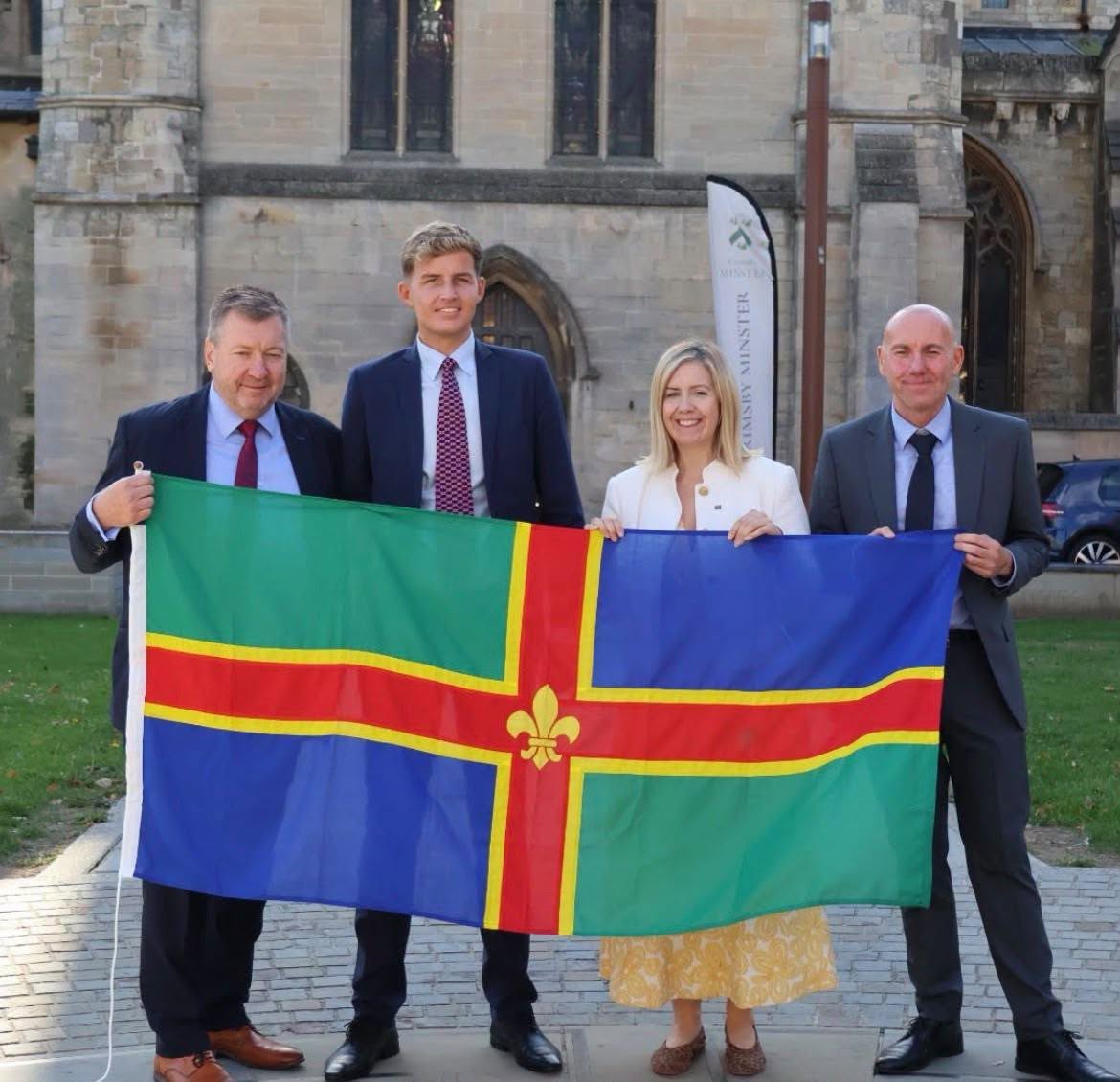
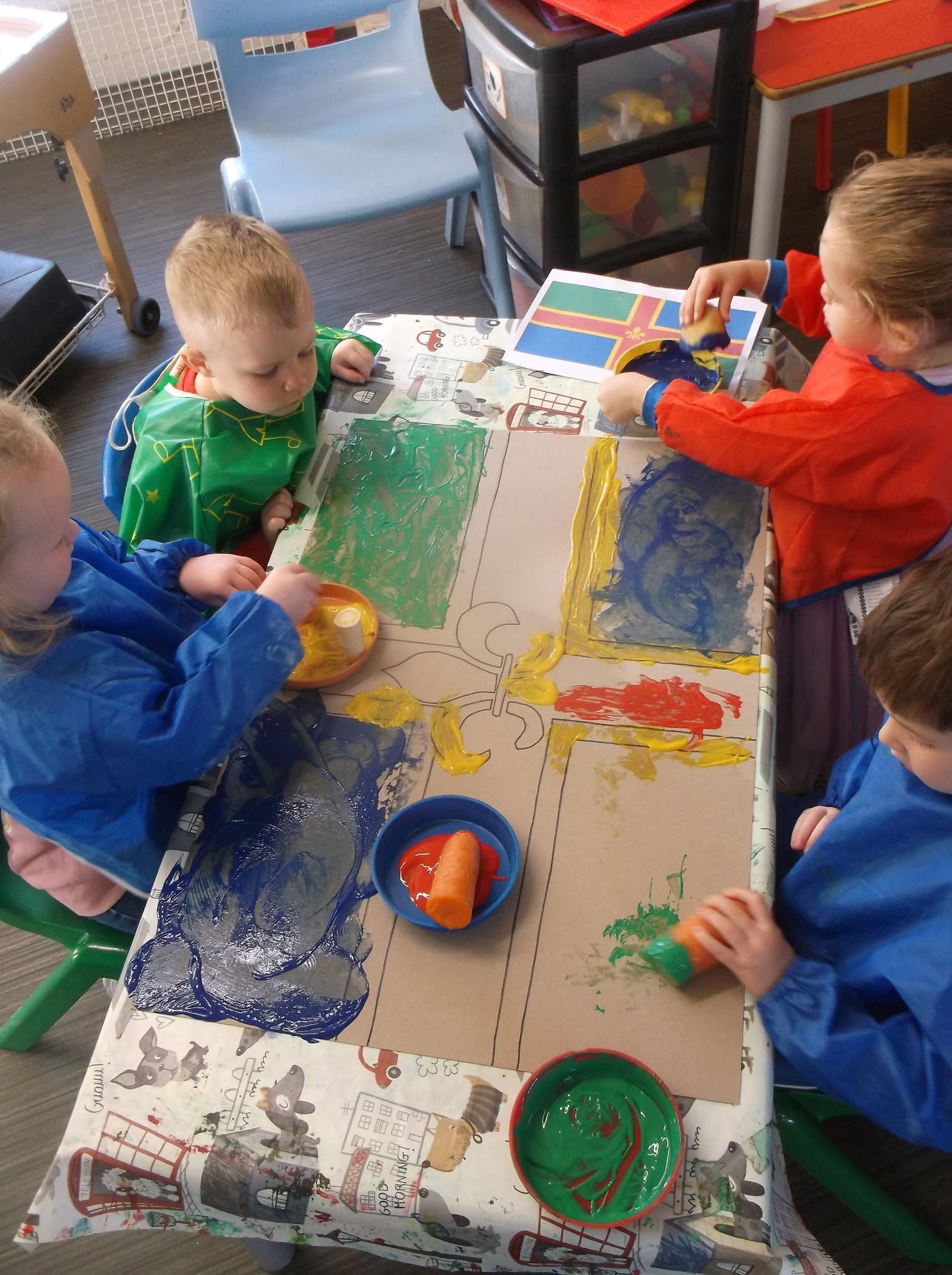
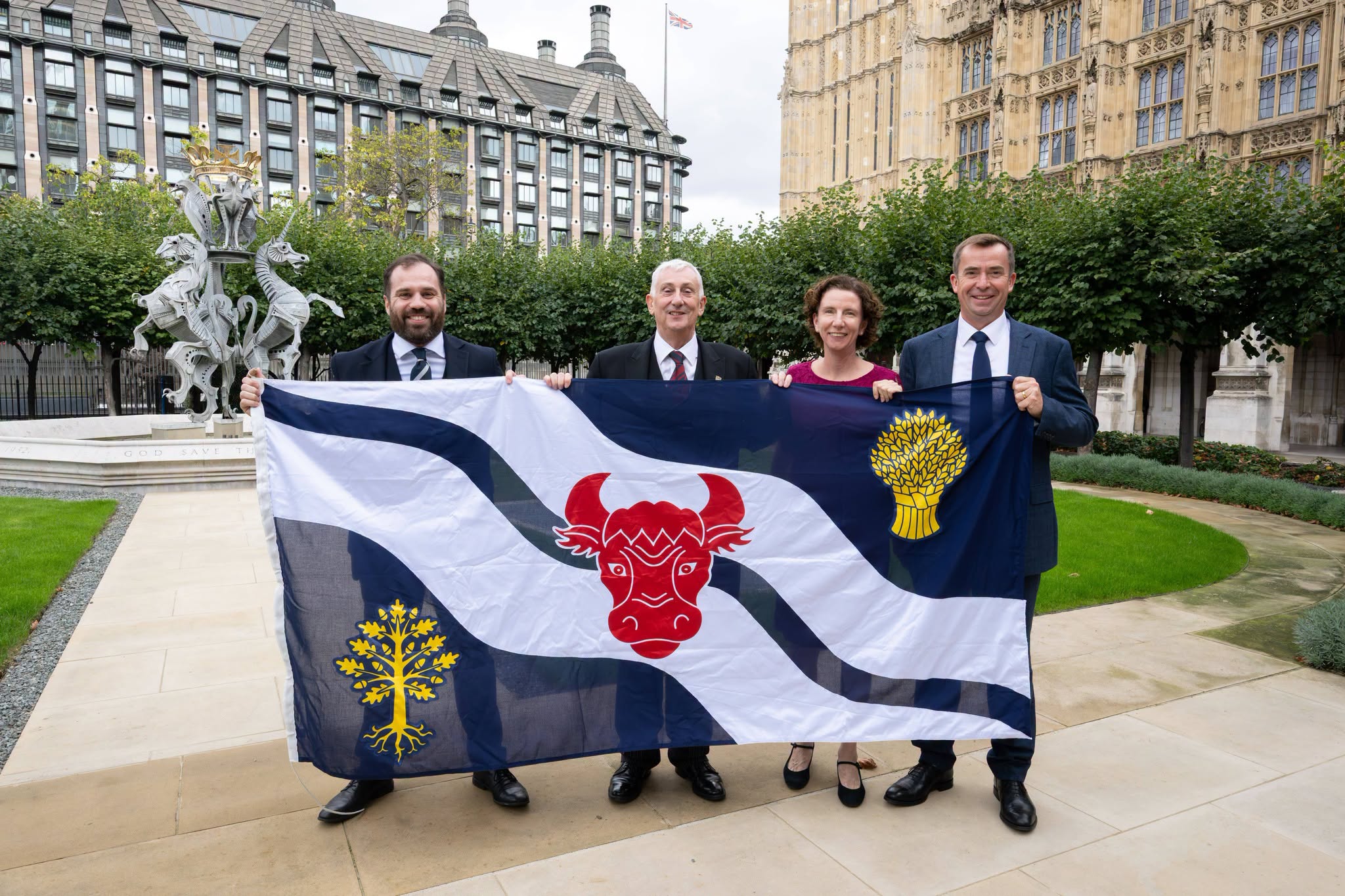
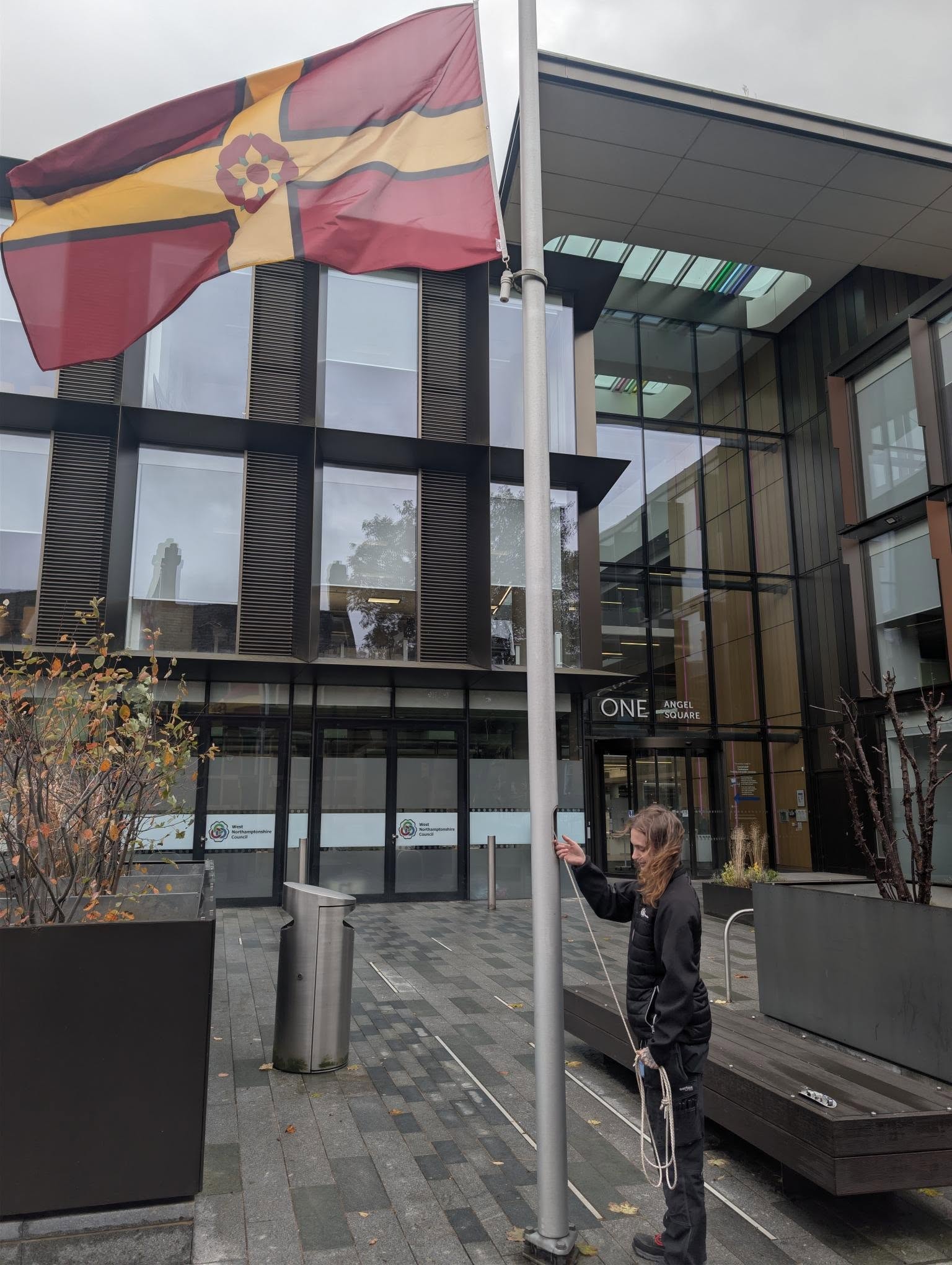
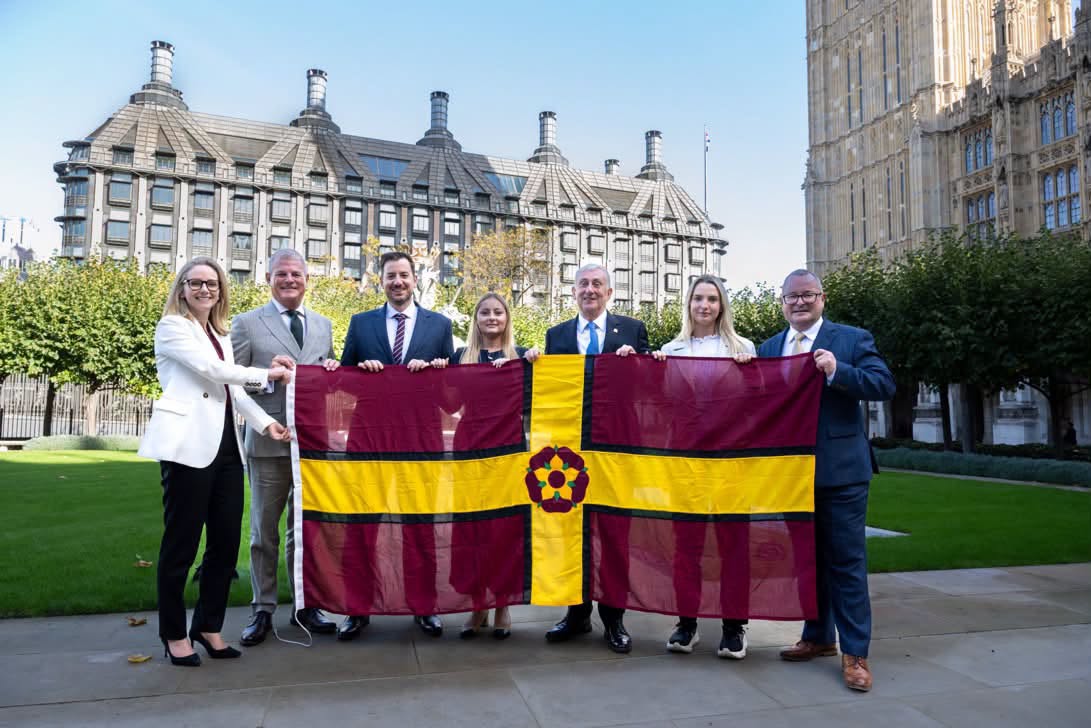
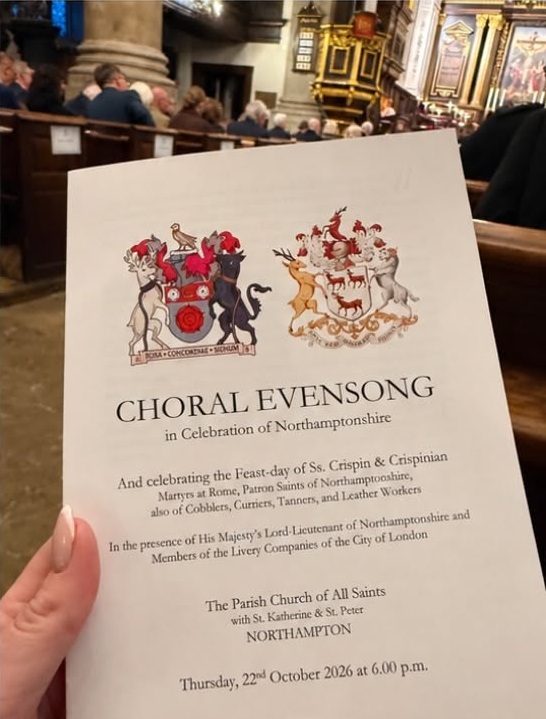
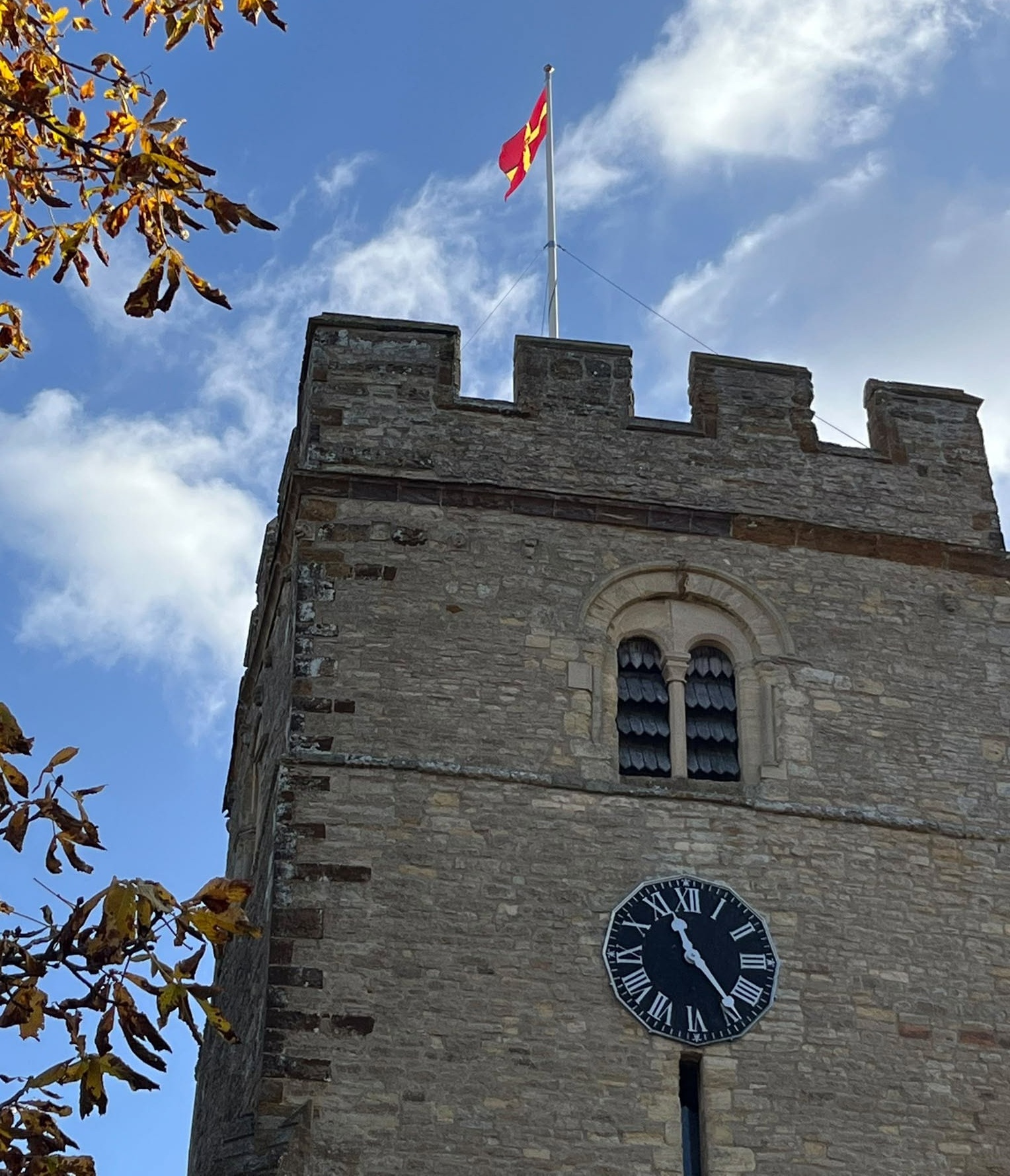
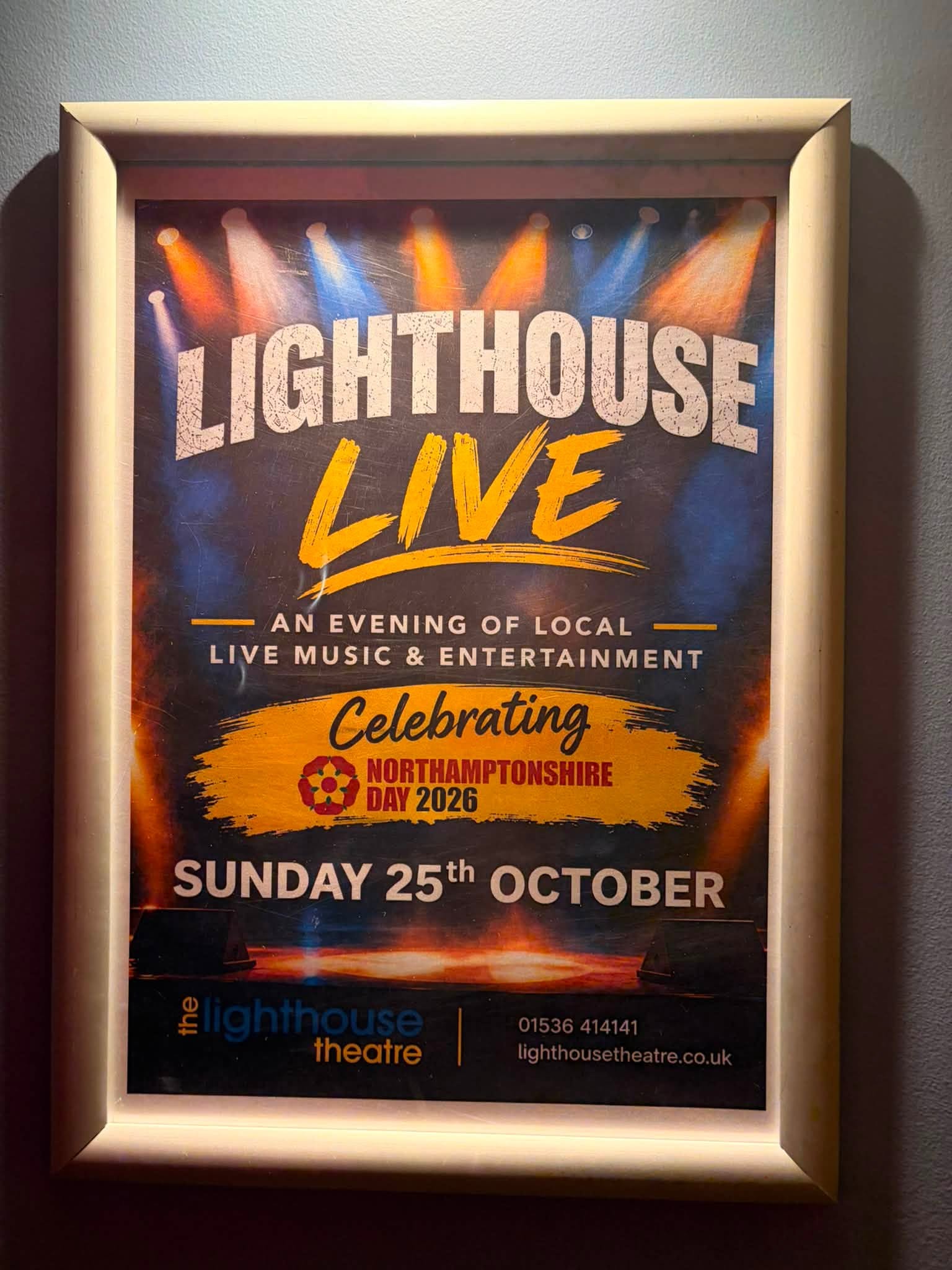
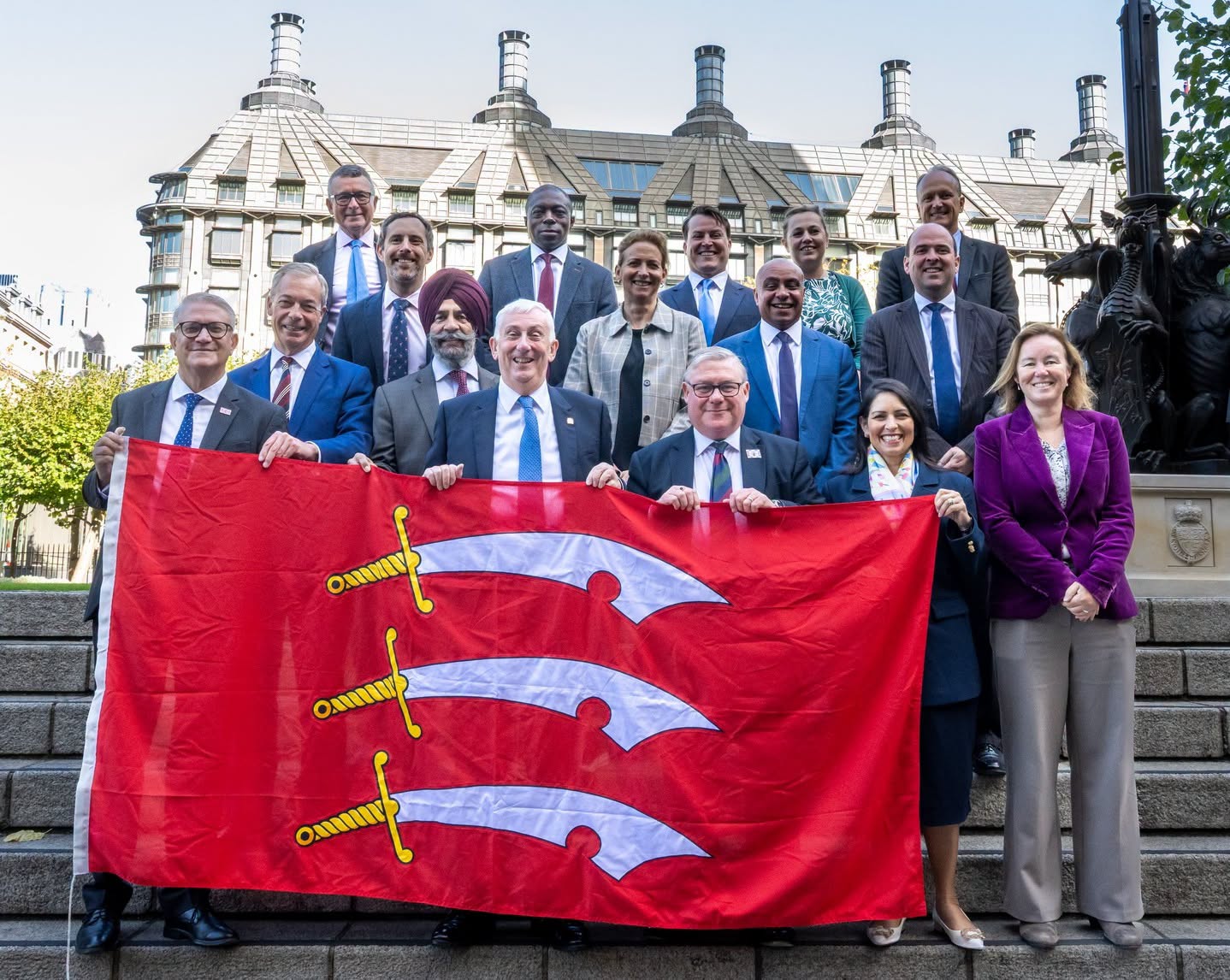
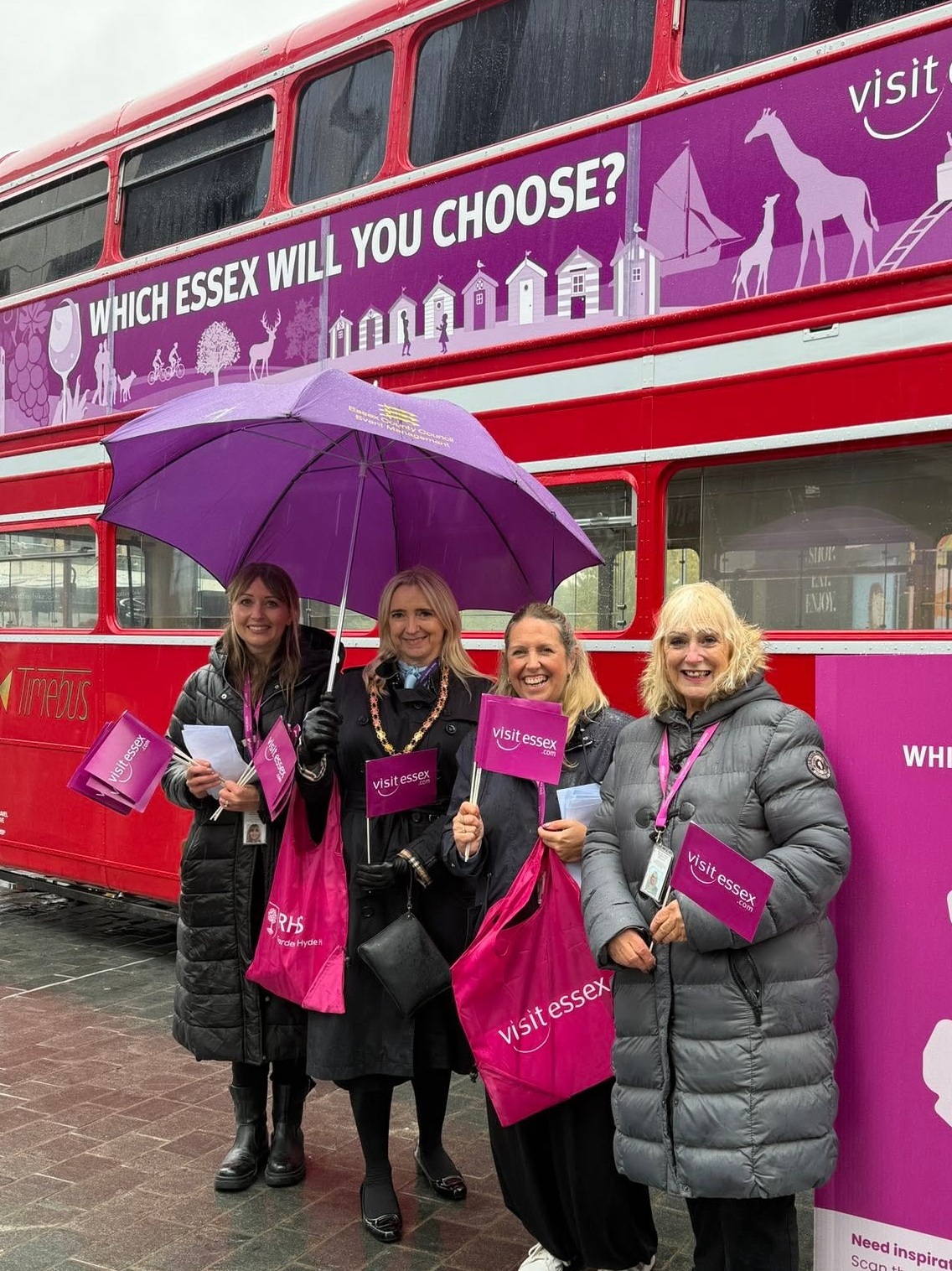
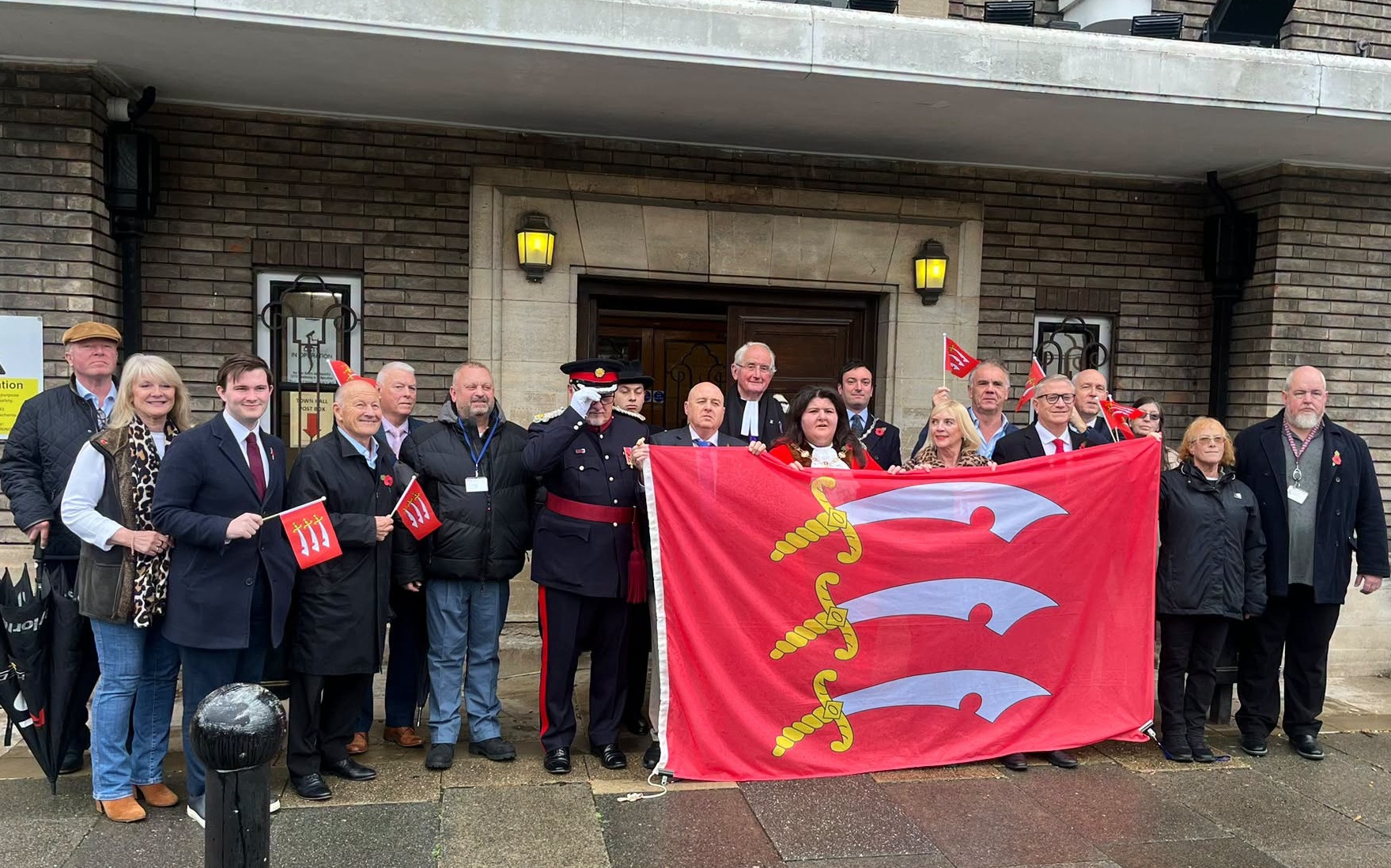
October is another big month for county day celebrations with Lincolnshire Day (1st), Oxfordshire Day (19th), Northamptonshire Day (22nd) and Essex Day (26th).
Lincolnshire Day has long been one of the biggest county day celebrations, 2026 being no exception. Though Oxfordshire Day remains a modest event, Northamptonshire Day and Essex Day are growing year on year. Unfortunately the big Northamptonshire Day event in Kettering had to be postponed due to severe weather, though the celebrations continued elsewhere. It was particularly wonderful to see Havering Borough Council giving its full support to Essex Day.
We thank the Speaker of the House of Commons, Sir Lindsay Hoyle, for his continuing support for county days.


Surrey About it All: Rupert’s Border Walk Nears it End.
ABC Vice-Chairman and Surrey native Rupert Barnes is near the end of his mammoth walk around the entire border of Surrey. The walk is in support of the Stroke Association (please donate) and will forge a new Surrey Border Walk.
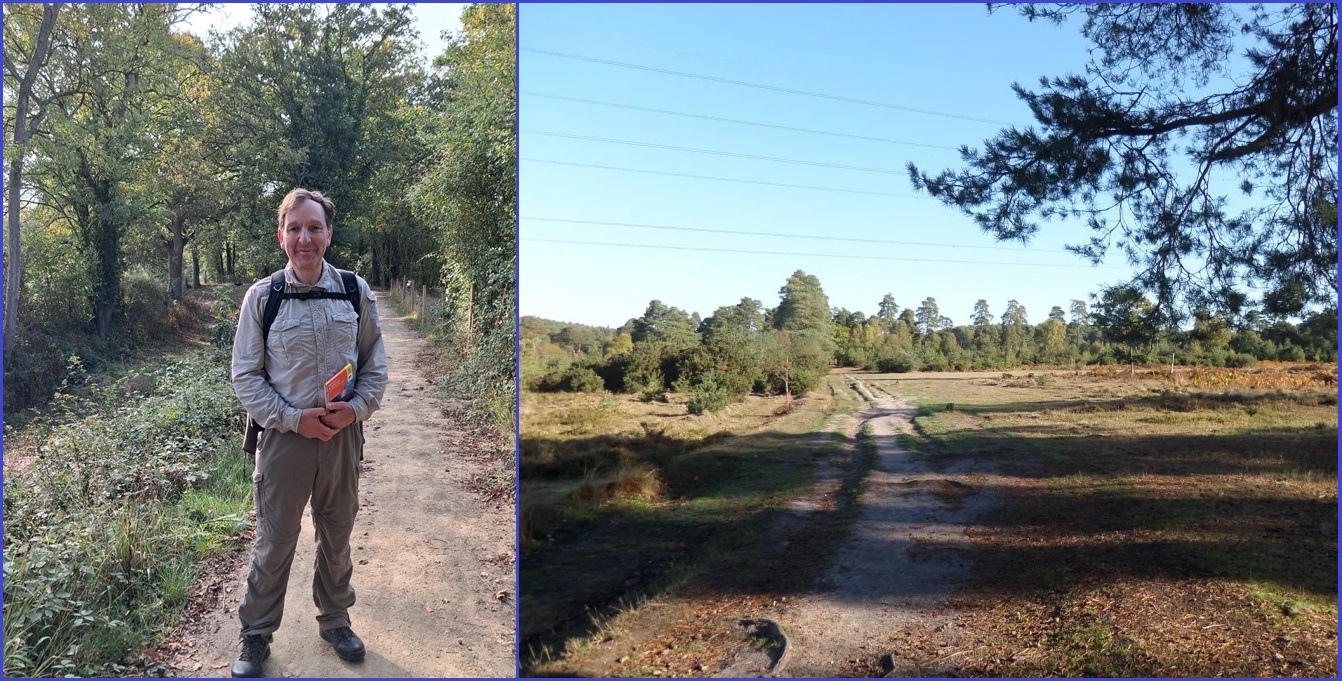
Previously, Rupert had made it from the Globe Theatre on the South Bank down the Surrey – Kent border and along the Surrey- Sussex border to Kingsfold. From here, he continued along the Sussex Border Path and up into the Surrey Hills and then had two days walking the Surrey-Hampshire border, eventually reaching the point where Surrey, Hampshire and Berkshire meet on the Blackwater. The Surrey-Berkshire border took Rupert across Great Windsor Park. Reaching the Thames and turning east along the Surrey-Buckinghamshire border took Rupert past Runnymede, back to where Surrey borders Middlesex.
Rupert’s Surrey About It All blog contains full details of the many places and people he encountered on the way. Rupert will complete his journey this weekend (31st Oct-1st Nov).
Budget Debate: Madam Deputy Speaker’s Sussex Tie Steals the Show
Deputy Speaker Nus Ghani MP showed her county pride at the recent budget debate in the House of Commons. In her role as Chairman of Weights and Measures she acts as speaker for the budget debate. In honour of her constituents, the MP for Sussex Weald chose to wear a tie fashioned from the six gold martlets on a blue background of the Sussex flag.
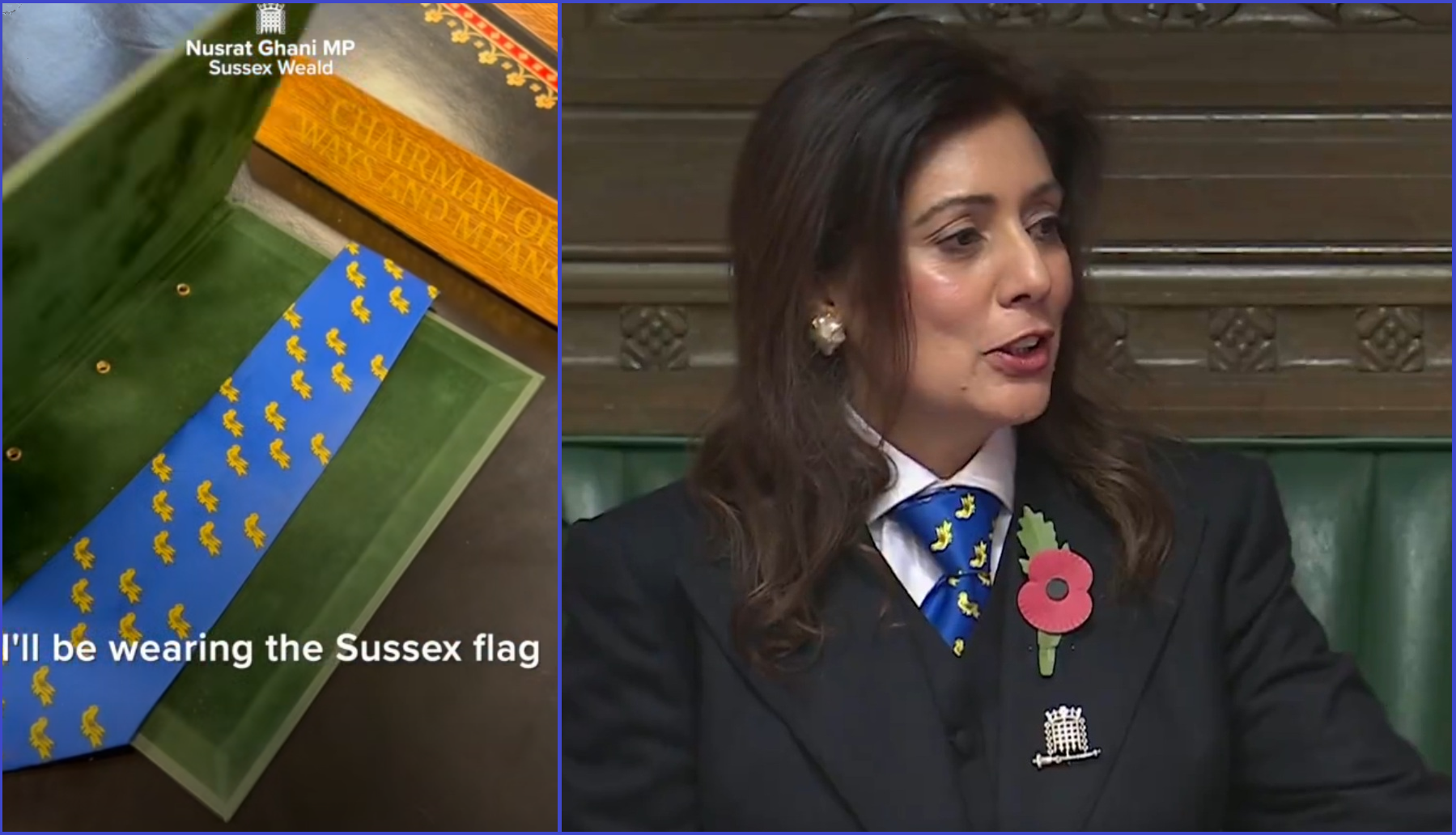
The emblem of Sussex goes back at least as far as 1611, appearing on the maps of famous cartographer John Speed. Our friends at Sussex Flag do a phenomenal job of promoting the flag and Sussex itself. They are also currently preparing for Sussex 1550, the 1550 anniversary of Sussex to be celebrated Sat 12th to Sun 20th July 2027.
The Lancastrian Awards 2026
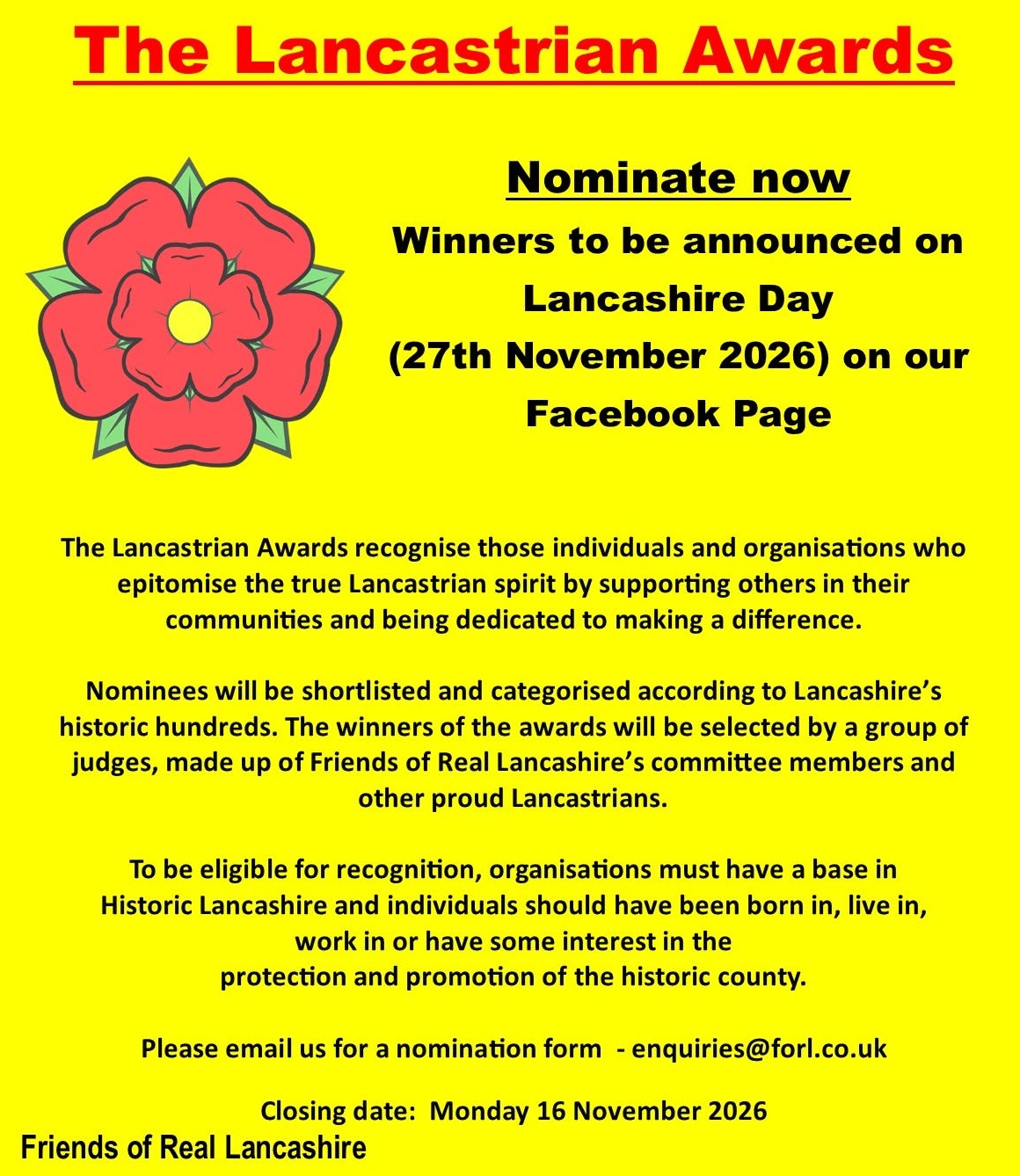
One of the highlights of the Lancashire Day (27th Nov) is the announcement of the winners of the annual Lancastrian Awards, made to individuals and organisations who epitomise the true Lancastrian spirit by supporting others in their communities and being dedicated to making a difference. The awards are organised by our friends in The Friends of Real Lancashire. Nominations are open until Monday 16th November.
Unlocking Somerset Talent
The latest initiative by our friends at Passion for Somerset took place at Waterside Country Barn near Taunton on Tuesday 29th September. The Unlocking Somerset Talent event brought together more than 150 employers, educators, young people and community partners, all united by a shared commitment to developing skills, creating opportunities and investing in Somerset’s future workforce. The event was jointly run by Passion for Somerset and Somerset Chamber of Commerce and sponsored by Young Somerset and Eurilait Ltd.
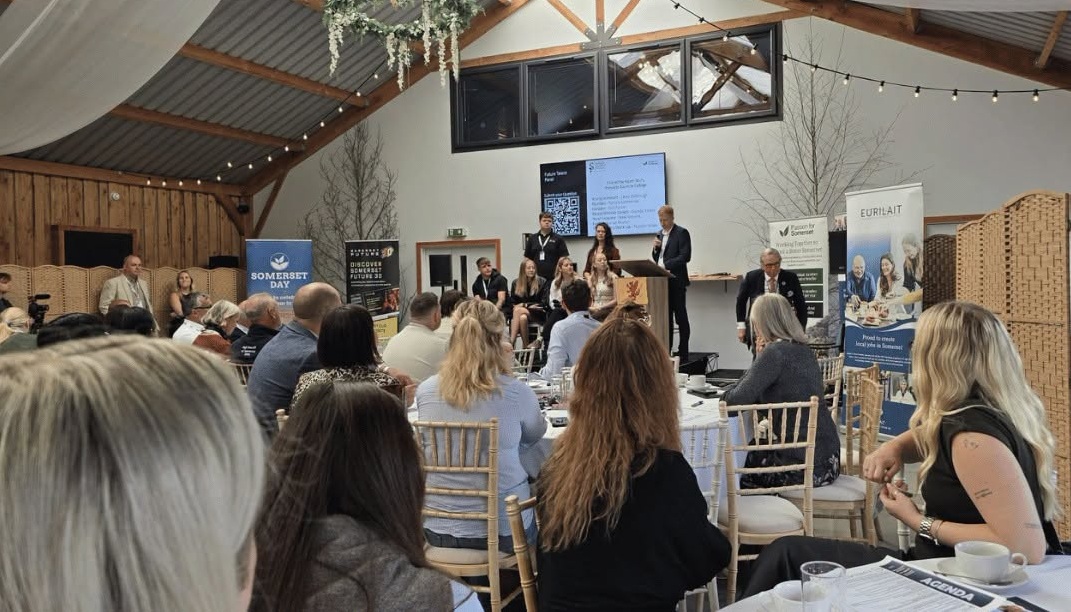
Passion for Somerset’s mission is simple: to inspire and empower communities, businesses and all who live in Somerset to share a passion for Somerset and encourage pride in all it has to offer. Initiatives include the Pride of Somerset Youth Awards and Somerset Day itself.
One thought on “County News: October 2026”
I have to say that I do not like Stoke & Staffordshire as a name for a Strategic Authority for two reasons. Firstly, Stoke is in Staffordshire so to separate it in the name is nonsensical. Secondly, the term “Staffordshire” is incorrect because the area covered by the Strategic Authority excludes a massive chunk of southern Staffordshire comprising Aldridge, Arley, Brownhills, Cradley Heath, Dudley, Rowley Regis, Smethwick, Upper Arley, Walsall, West Bromwich and Wolverhampton. Thus, from this very important perspective, North and Mid Staffordshire Strategic Authority would be a much more appropriate name and it also nudges people to think about which strategic authority covers South Staffordshire.