The deplorable practice of councils making inappropriate use of historic county names is sadly no less prevalent in Scotland than in England. Here we name and shame the worst offenders.
Local government in Scotland is provided by 32 unitary councils which take the style “council” rather than “county council” and whose areas are known as “council areas“. From 2028, local government throughout England will have a similar set-up. This ending of the use of the word “county” within local government parlance is essential if the public are to fully understand the difference in kind between local government and our historic counties.
But the end of the “county council” will not be enough on its own to fully end the problem of “county confusion“. It is also essential that local authorities cease to make inappropriate use of historic county names. For some councils the use of a historic county name with appropriate qualification may provide the best description of the location and area of that council, e.g. as in the current South Ayrshire Council. Other councils do not have areas which are sensibly described by reference to a historic county. For these, a county name should not be used, e.g. as in the current Highland Council.
The Rogues’ Gallery
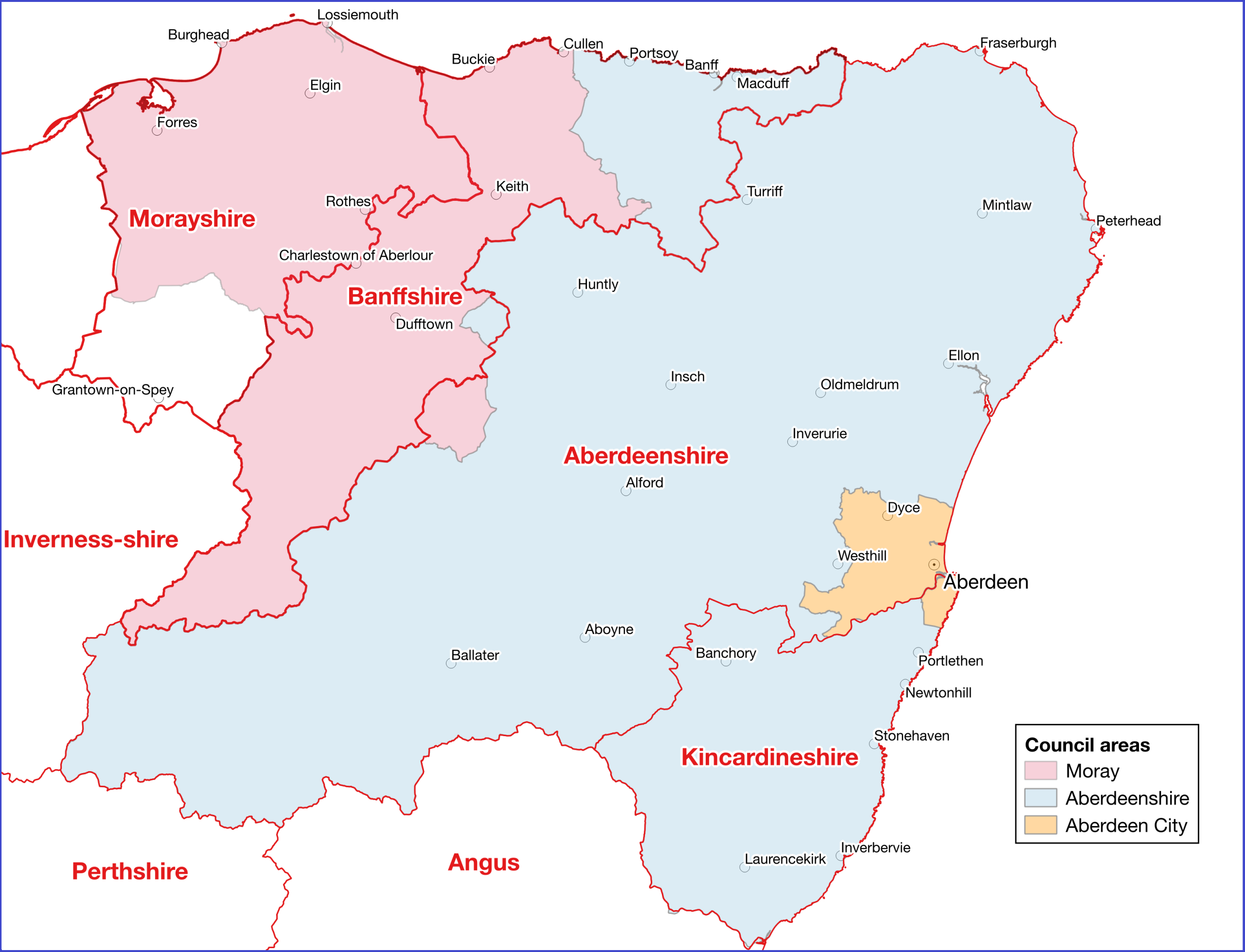
When Grampian Region (1974-1996) was abolished it was replaced with three unitray councils: Aberdeen City Council, Aberdeenshire Council and Moray Council.
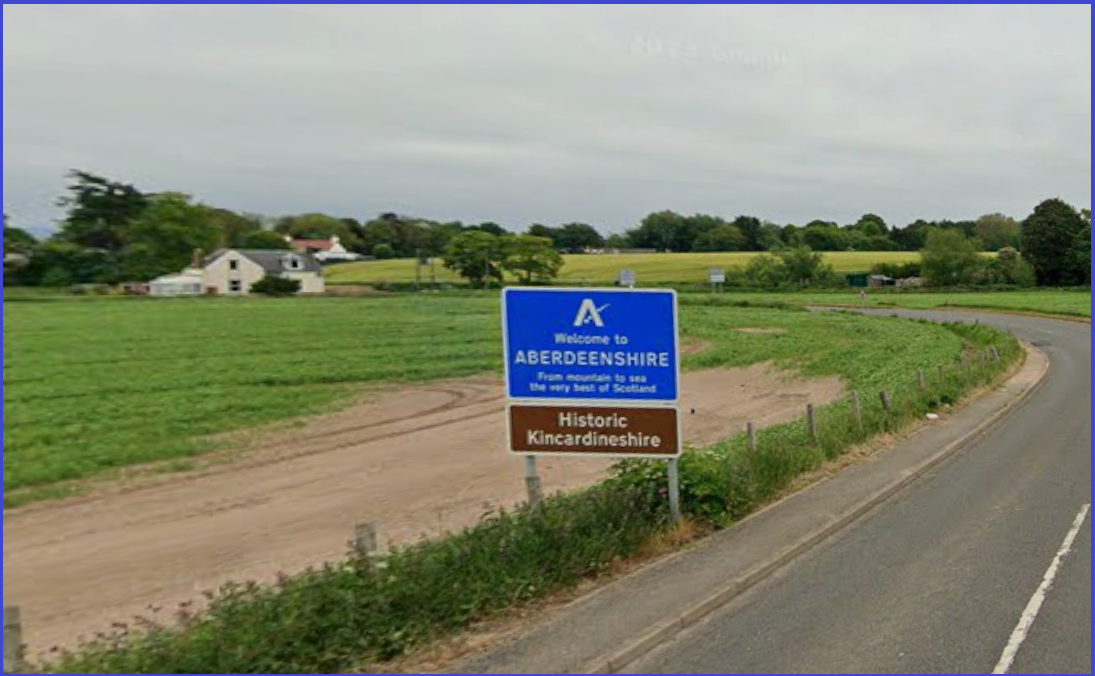
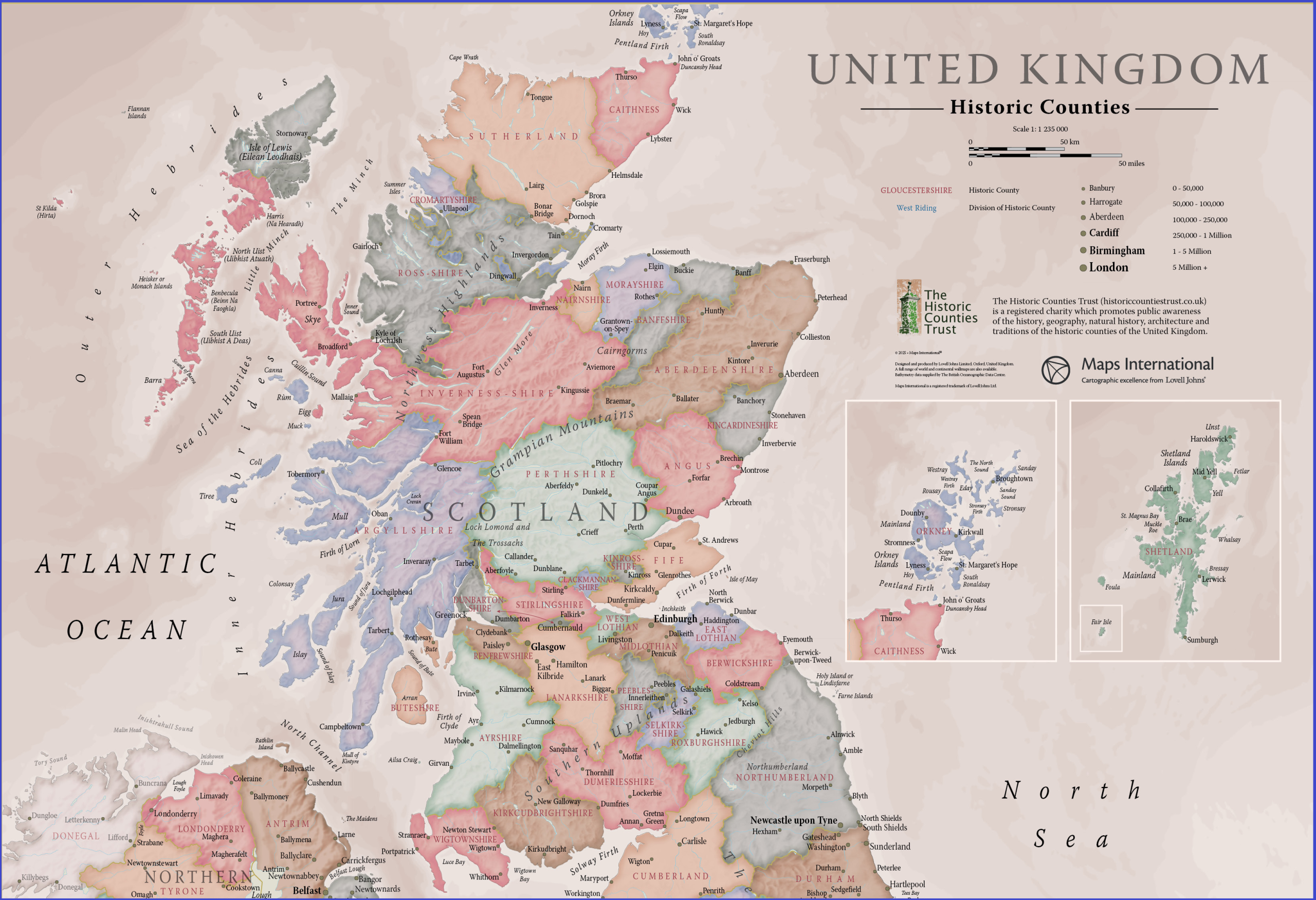
- Aberdeenshire Council does cover most of Aberdeenshire, excluding Aberdeen itself, but it also covers almost the whole of Kincardineshire and a large piece of coastal Banffshire. When a council uses a historic county name but actually covers a large part of a different historic county, this has a terrible effect on public understanding of the historic counties concerned. Our friends in the Kincardineshire Association can bear witness to this. The name “East Grampian Council” may be contrived but it would avoid this county confusion.
- Moray Council does not cover all of Morayshire but does cover around 70% of Banffshire. One might just about take the name “Moray” to refer to the much larger mediæval Province of Moray, but this name does significantly obscure and undermine the identity of Banffshire. The name “West Grampian Council” would avoid the county confusion.
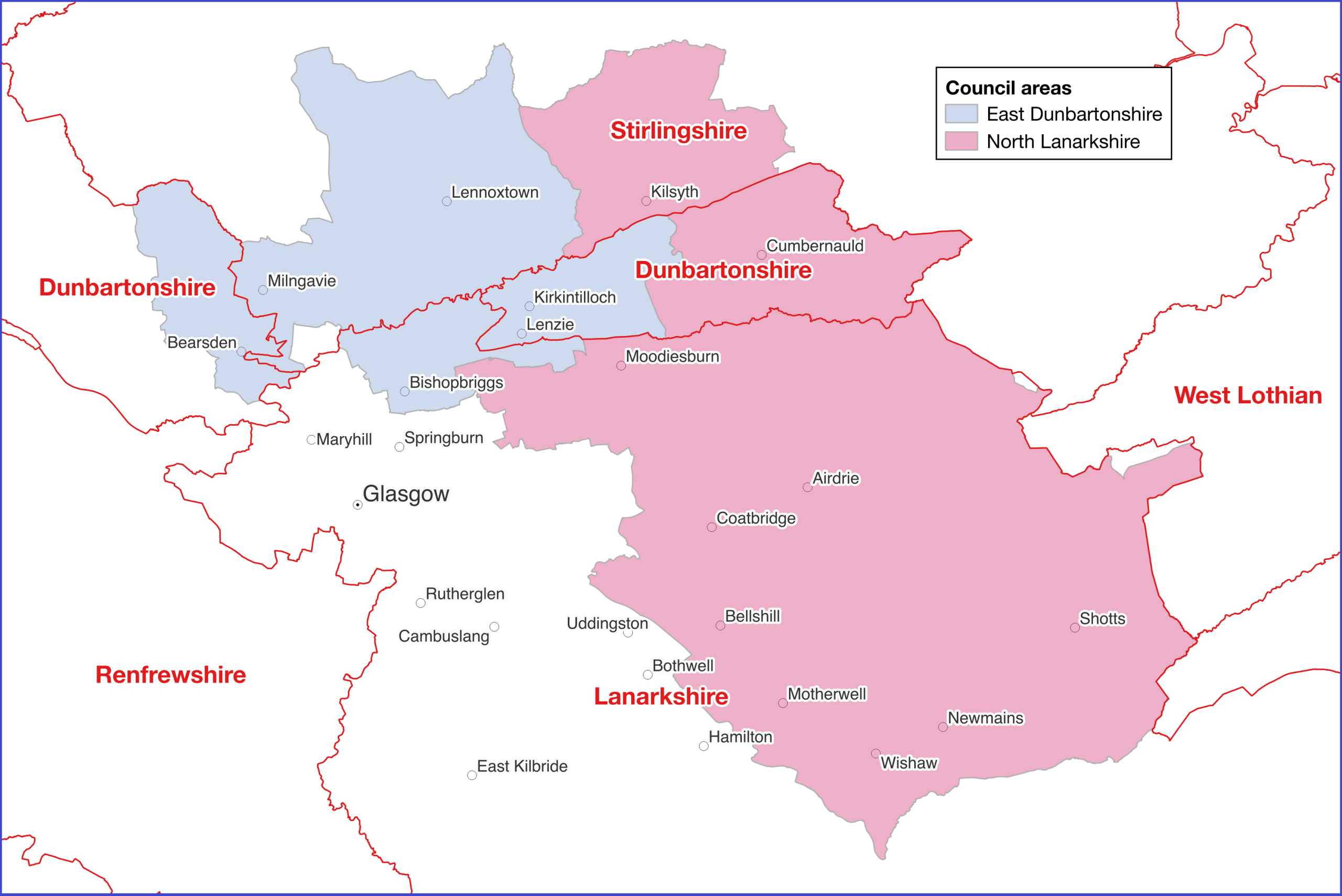
East Dunbartonshire Council was created in 1996 from the abolished districts of Bearsden & Milngavie and Strathkelvin. Its area doesn’t bear even a passing resemblance to the eastern portion of Dunbartonshire. Three-quarters of its area is in Stirlingshire and a sizeable part is in Lanarkshire.
Around two-thirds of North Lanarkshire Council‘s area does actually lie in Lanarkshire. But it also includes a large and populous part of the eastern portion of Dunbartonshire, including Cumbernauld, along with a sizeable part of Stirlingshire around Kilsyth.
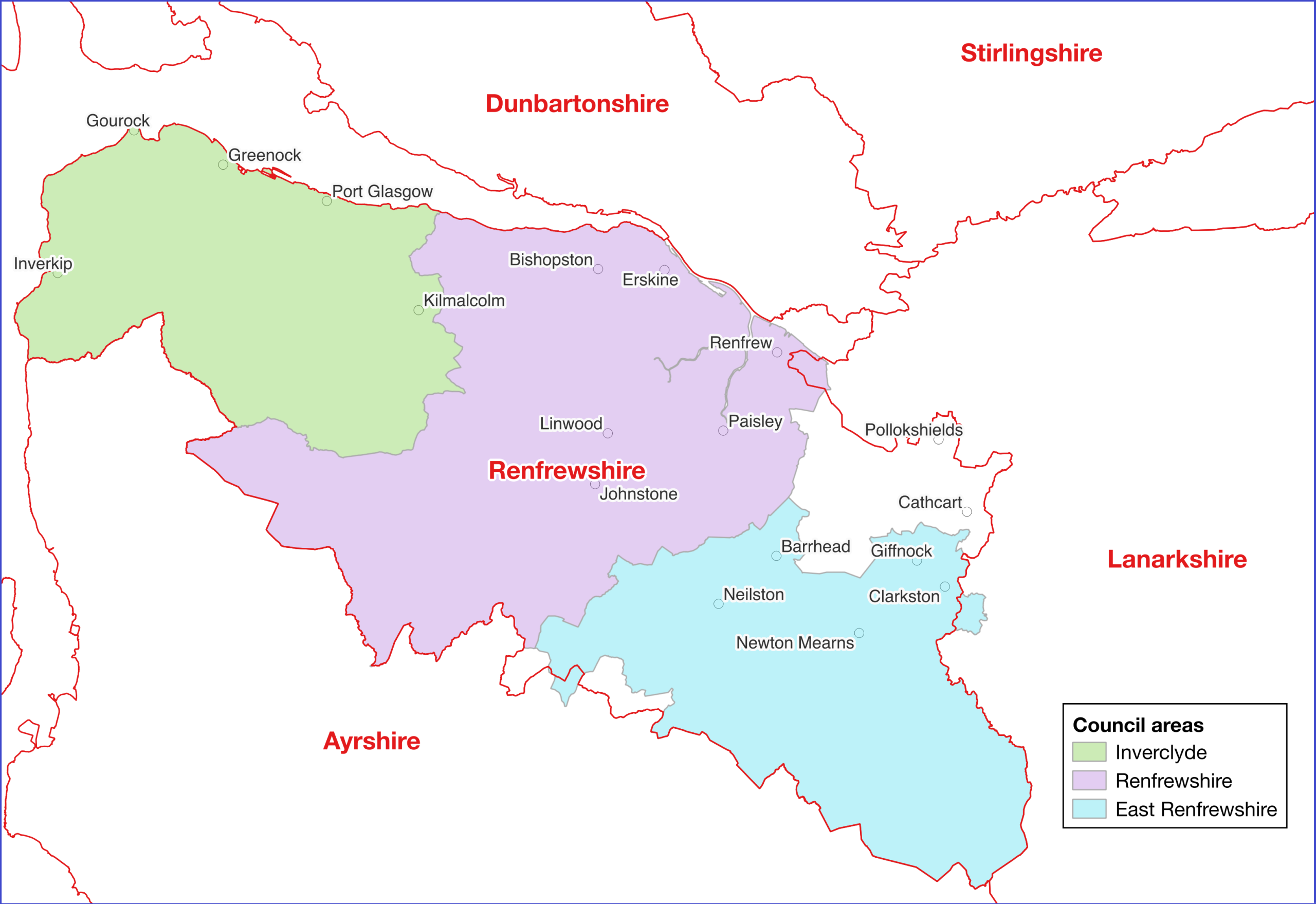
Renfrewshire Council‘s area covers only the central third of Renfrewshire. It was created in 1996 based on the former district of Renfrew. It sits between East Renfrewshire Council and Inverclyde Council. Either “Central Renfrewshire Council” or “Renfrew Council” would be sensible names.
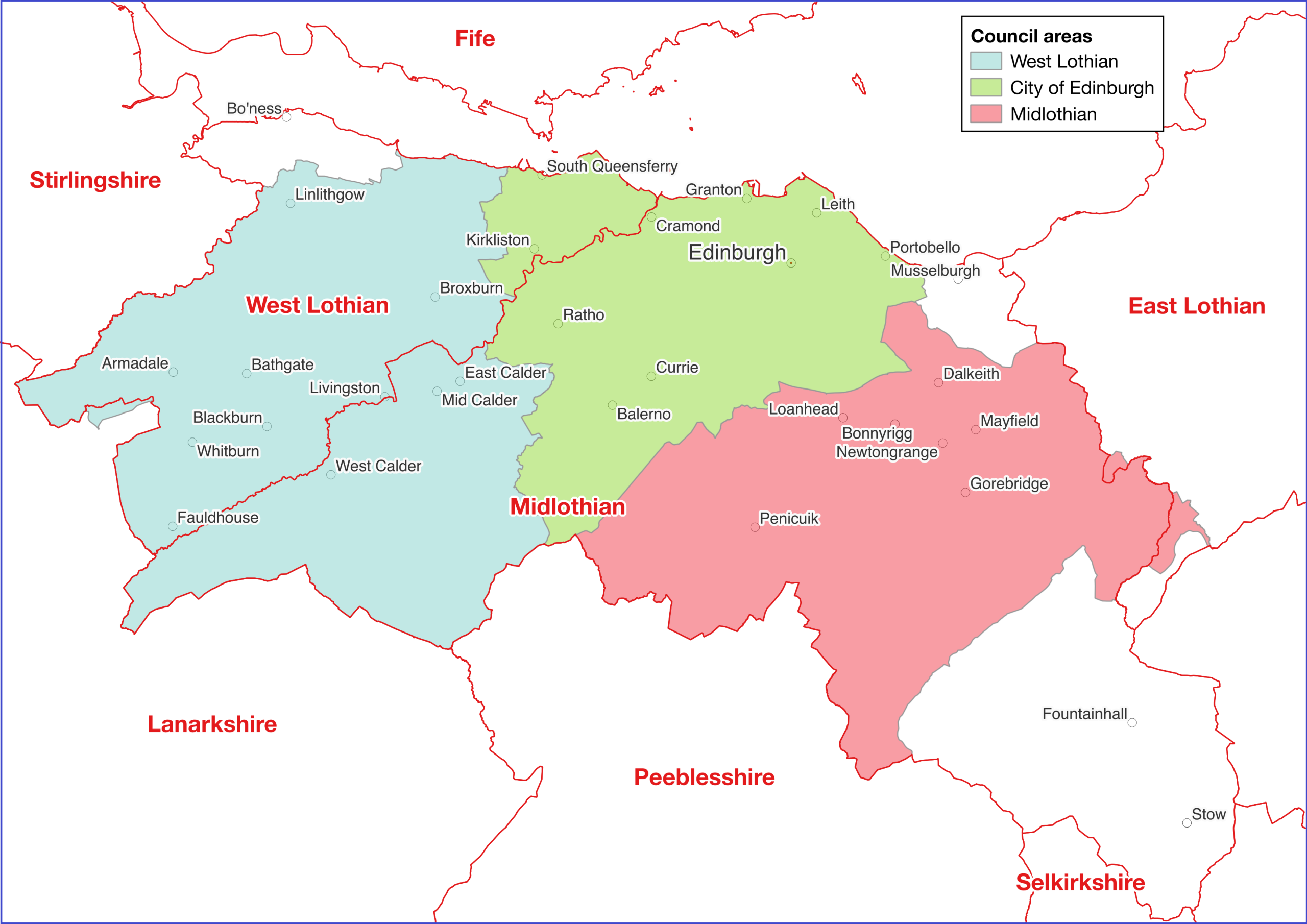
Whilst the City of Edinburgh covers sizeable parts of West Lothian and Midlothian, this is no excuse for the absurd names born by West Lothian Council and Midlothian Council.
- Almost half of West Lothian Council‘s area actually lies in Midlothian;
- Midlothian Council‘s area only occupies around one-third of the county whose name it borrows.
The lieutenancies of Scotland and the historic counties
It is sometimes thought that the lieutenancy areas in Scotland are more closely aligned to the real counties than are those of England and Wales. This is not actually the case.
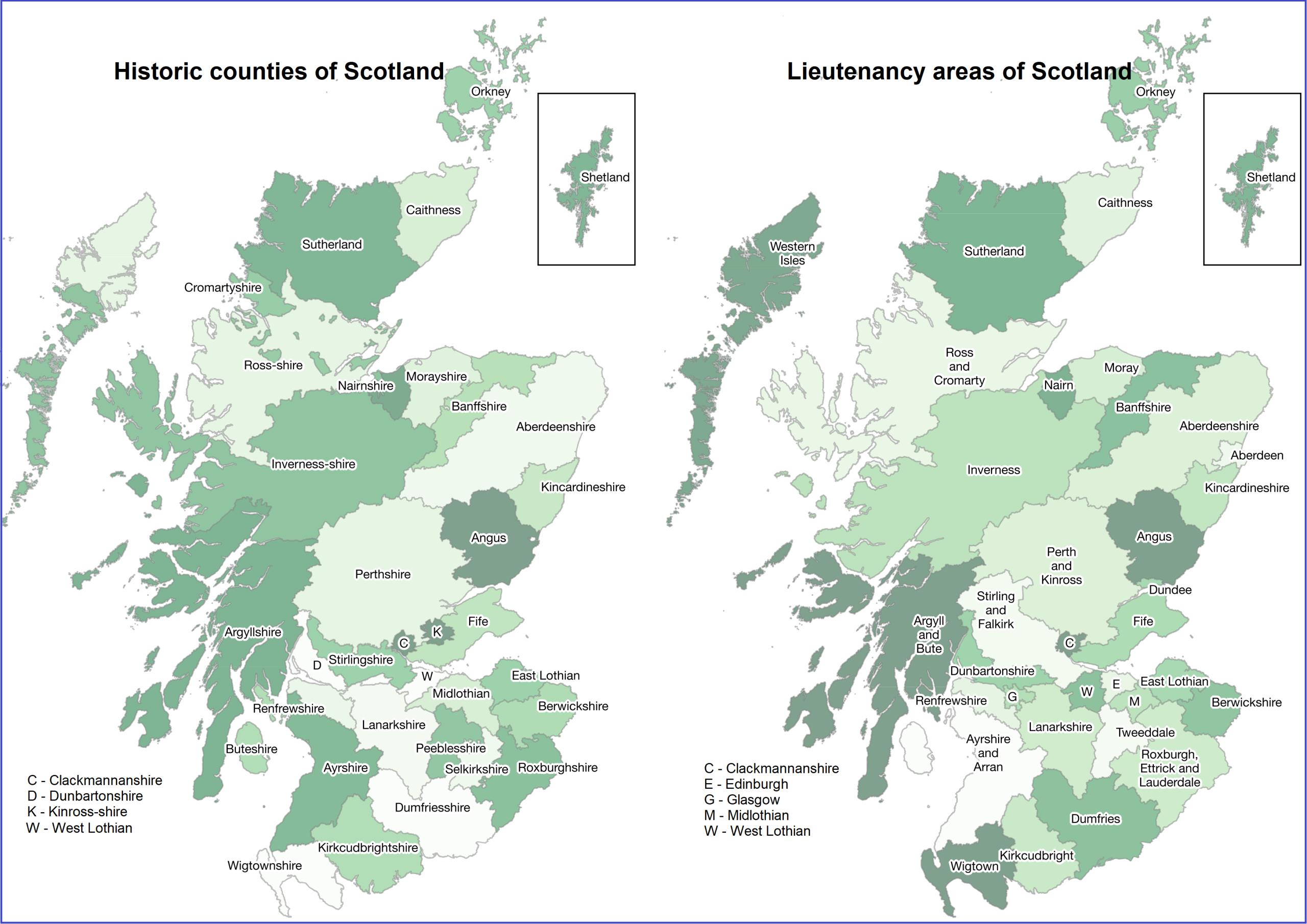
In fact, most of the lieutenancy areas of Scotland are defined as a combination of pre-1996 local government districts. Many have been given the name of the historic county to which they are most similar in area. Whilst a majority of the 35 lieutenancies do bear an historic county name, only 15 of them have an area reasonably close to that historic county. See our Factsheet The Lieutenancies of Scotland and their relationship to the historic counties for full details.
There are, however, two important lessons we can learn from the set-up of the lieutenancies of Scotland. The first is that there is no practical reason why a lieutenancy area has to be related to a present-day local government areas and, indeed, no reason at all why it cannot be based on a historic county. Though some lieutenancy offices are based in council offices, they are not local government posts. Some lieutenancies are based within a local solicitor’s office.
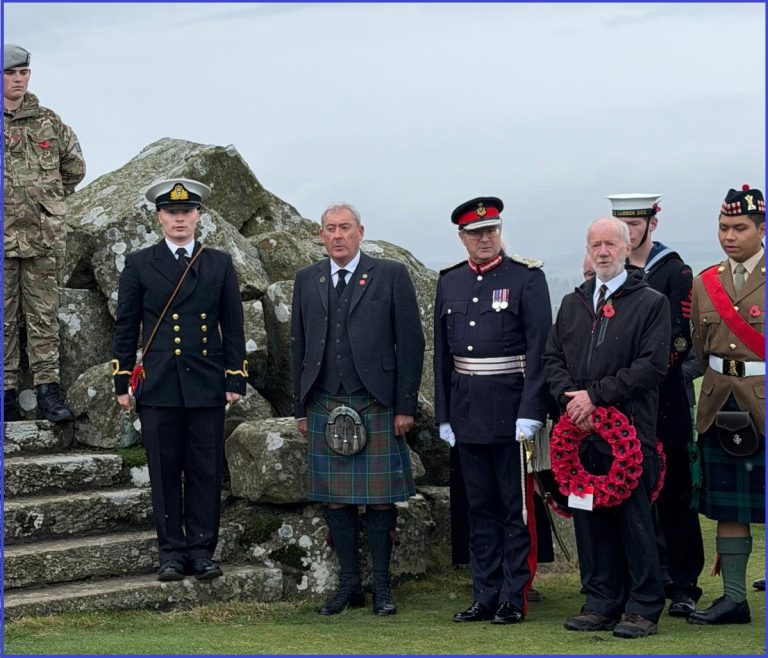
The second is that lieutenancy areas do not need to referred to in legislation as “counties“. Whilst the Lieutenancies Act 1997 refers to lieutenancies in England and Wales as “counties”, it refers to those in Scotland as “areas”. Referring to the lieutenancies as “areas” throughout Great Britain would clarify the administrative nature of these areas and put an end to the whole tiresome notion of the “ceremonial county“. This would not prevent the appointment of the lord-lieutenants to the historic counties, but it would end the common misconception that the lord-lieutenants’ areas literally define the counties.
In Conclusion
The final lesson from Scotland is that the adjective ‘historic’ (or ‘traditional’, ‘ancient’, ‘geographical’ etc.) in ‘historic county’ is not needed if there are no administrative entities which are also called “county”. We look forward to the day when this is the case throughout the whole of the UK.
One thought on “Rogues’ Gallery: Scotland’s Worst-Named Councils”
Agree, my suggestion would be Moray and Banffshire combined authority, based on historic county boundaries. Aberdeenshire and Kinecardineshire combined authority. Would suggest Highland council is renamed after the Counties it covers, not sure exactly but, Caithness, Sutherland, Ross& Cromartyshire, and invernesshire combined authority.
Putting these wonderful evocative names back in the mainstream